

Description
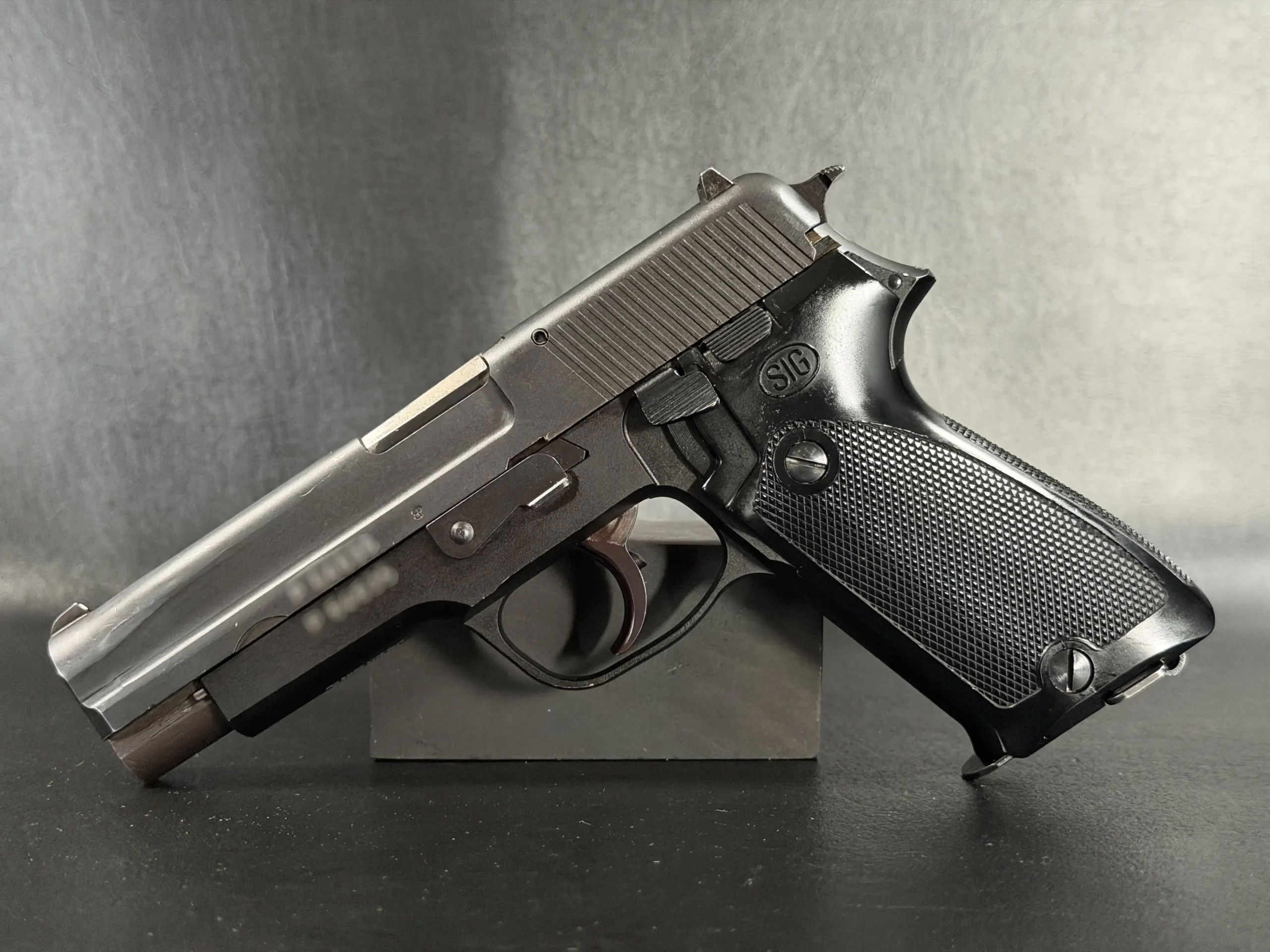
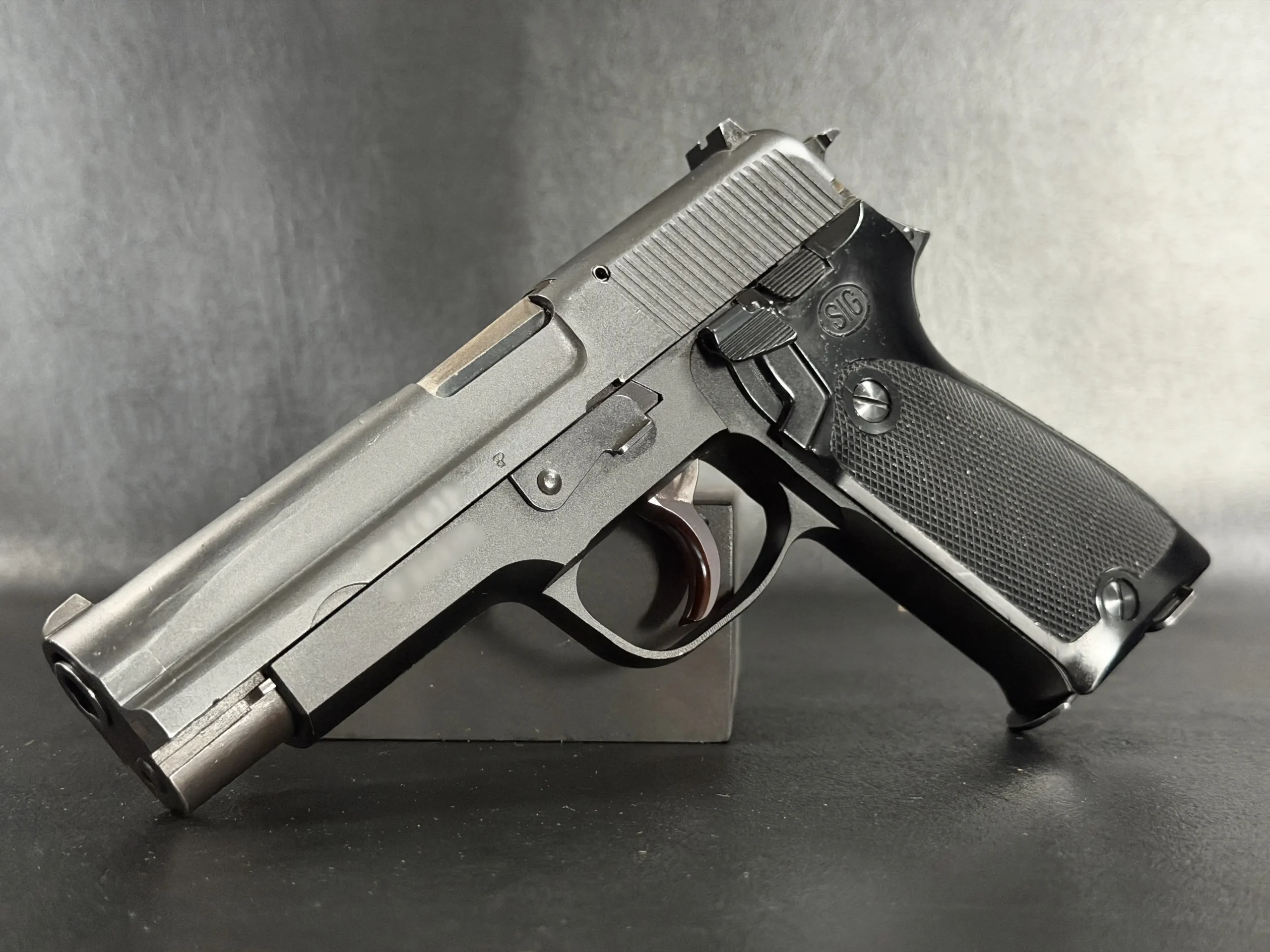
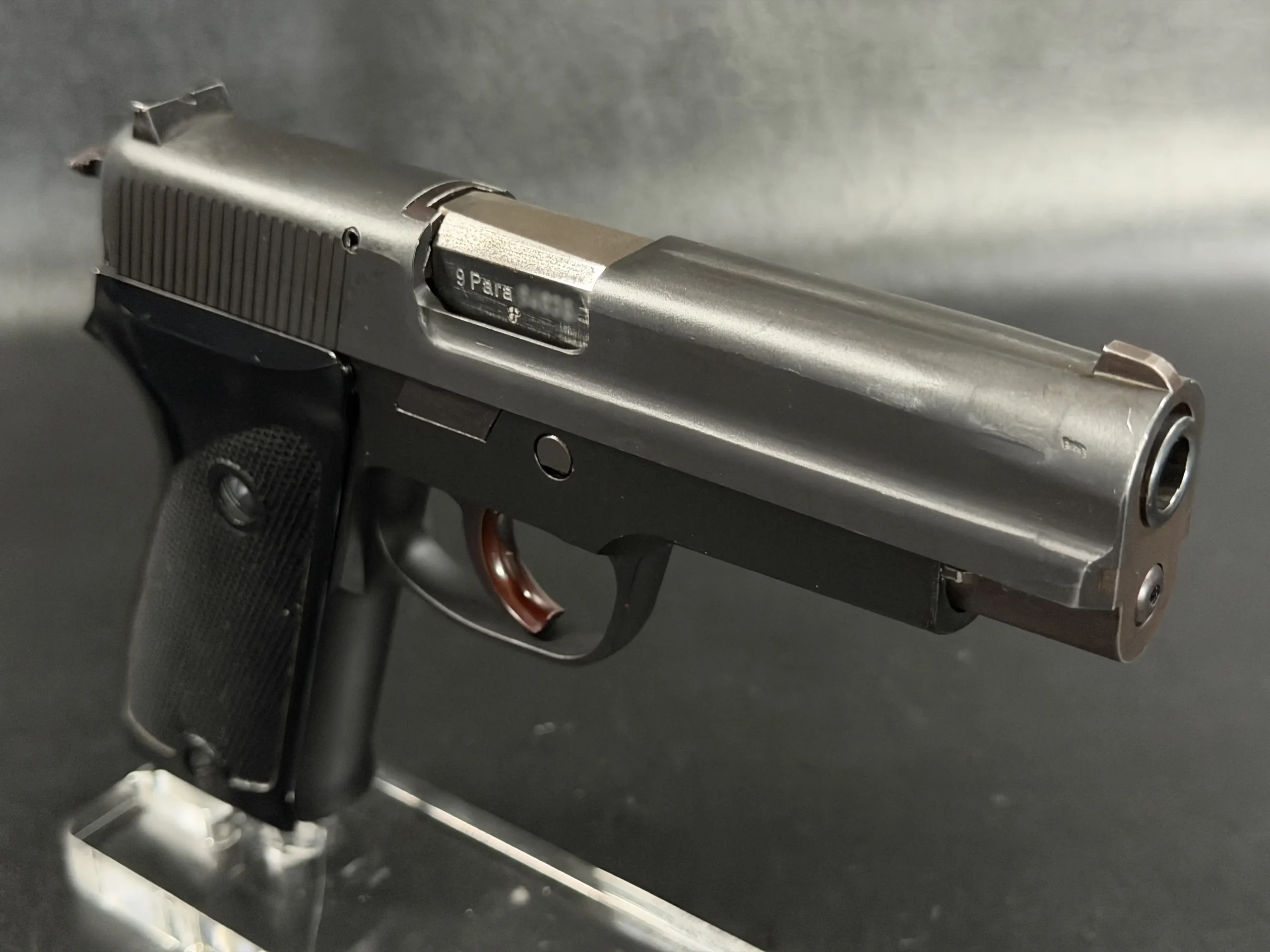
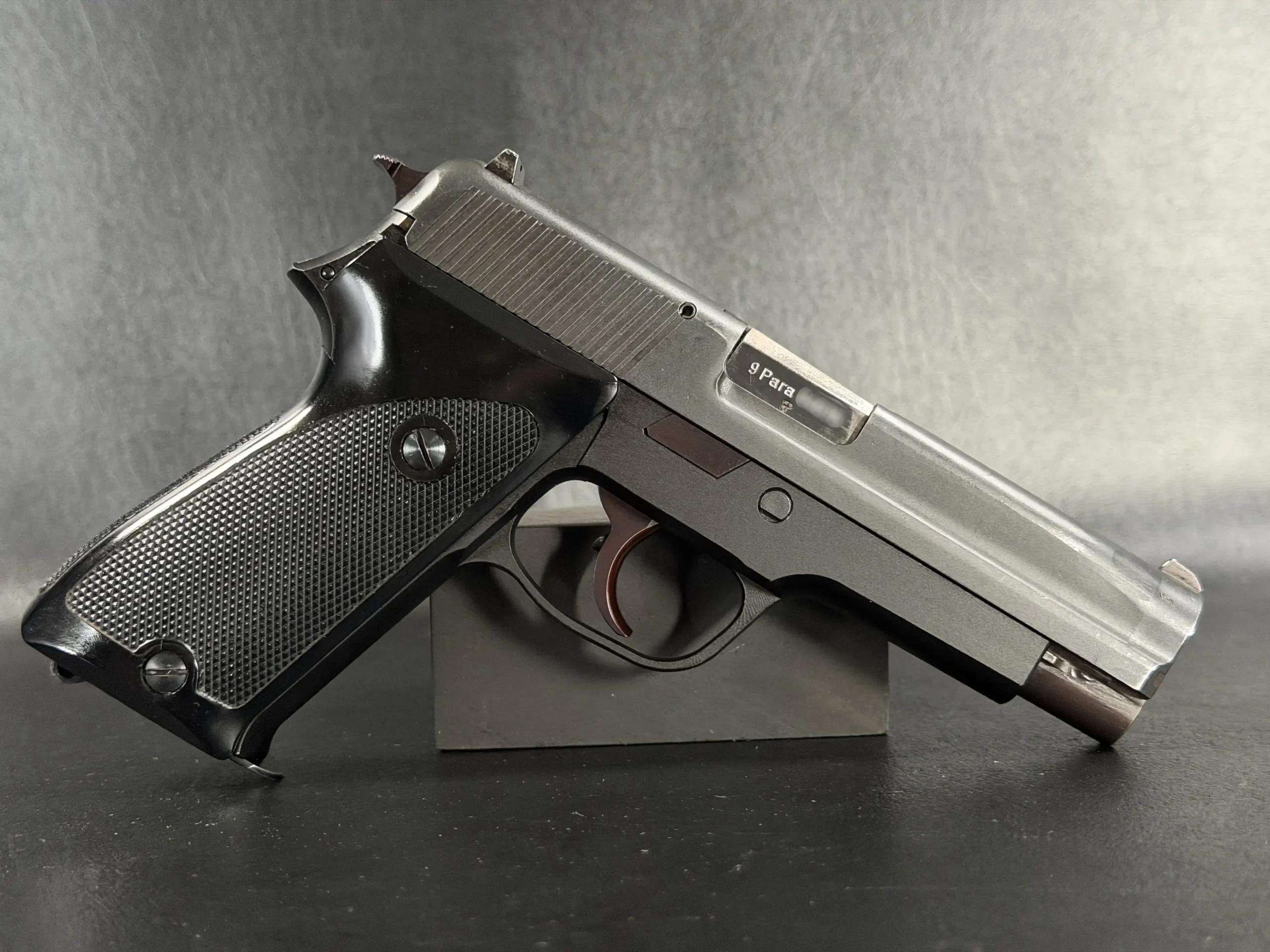
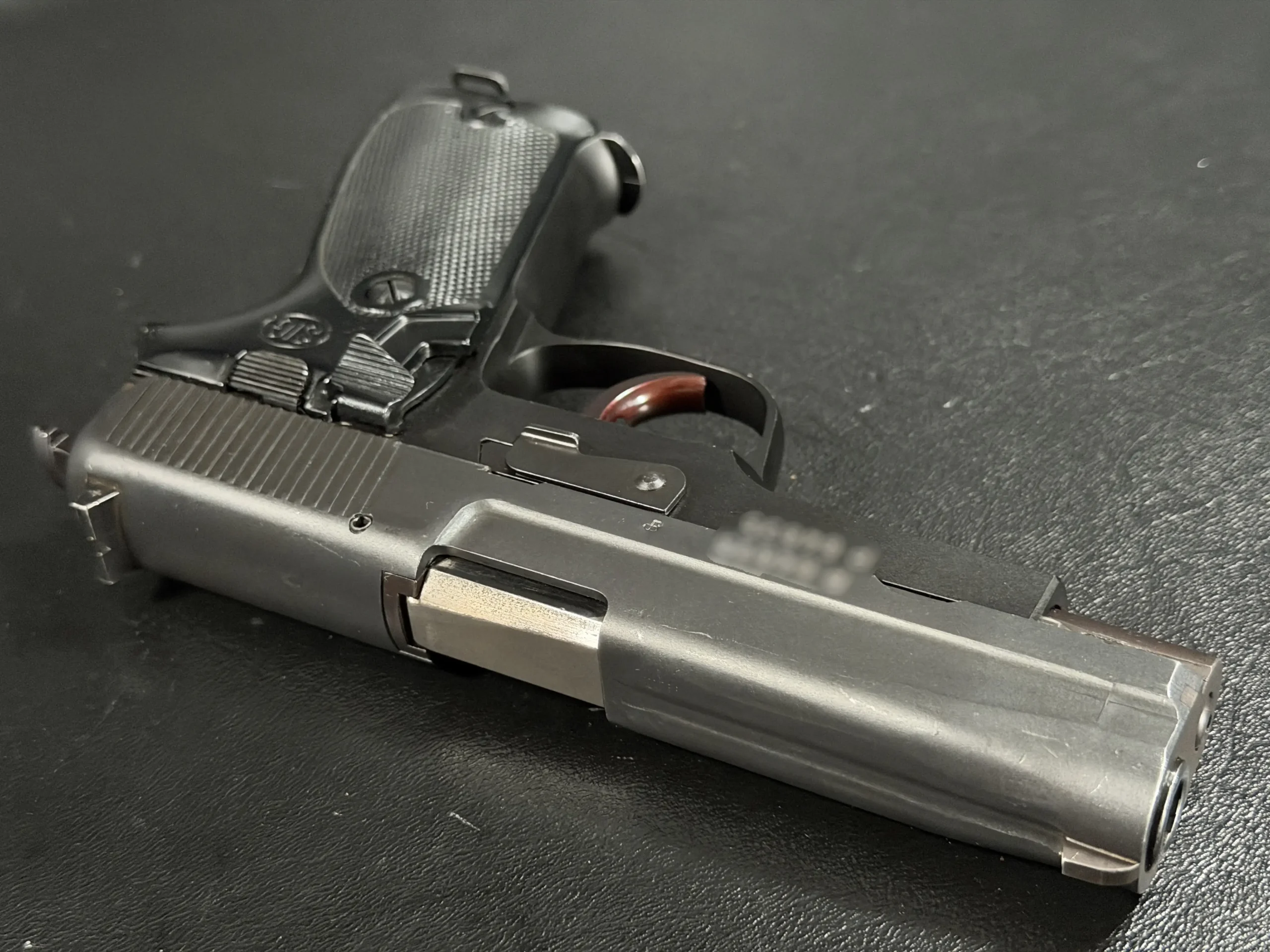
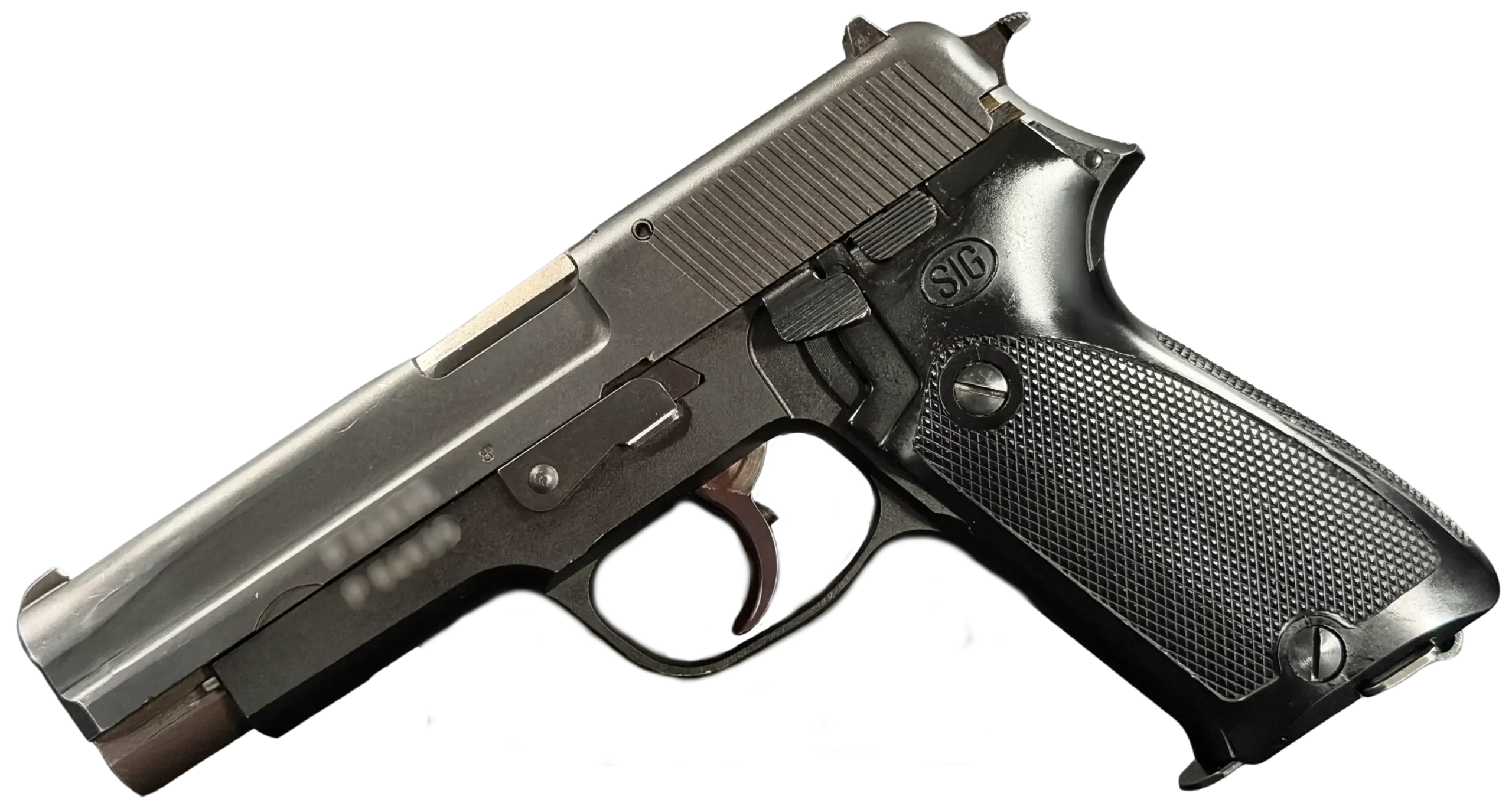
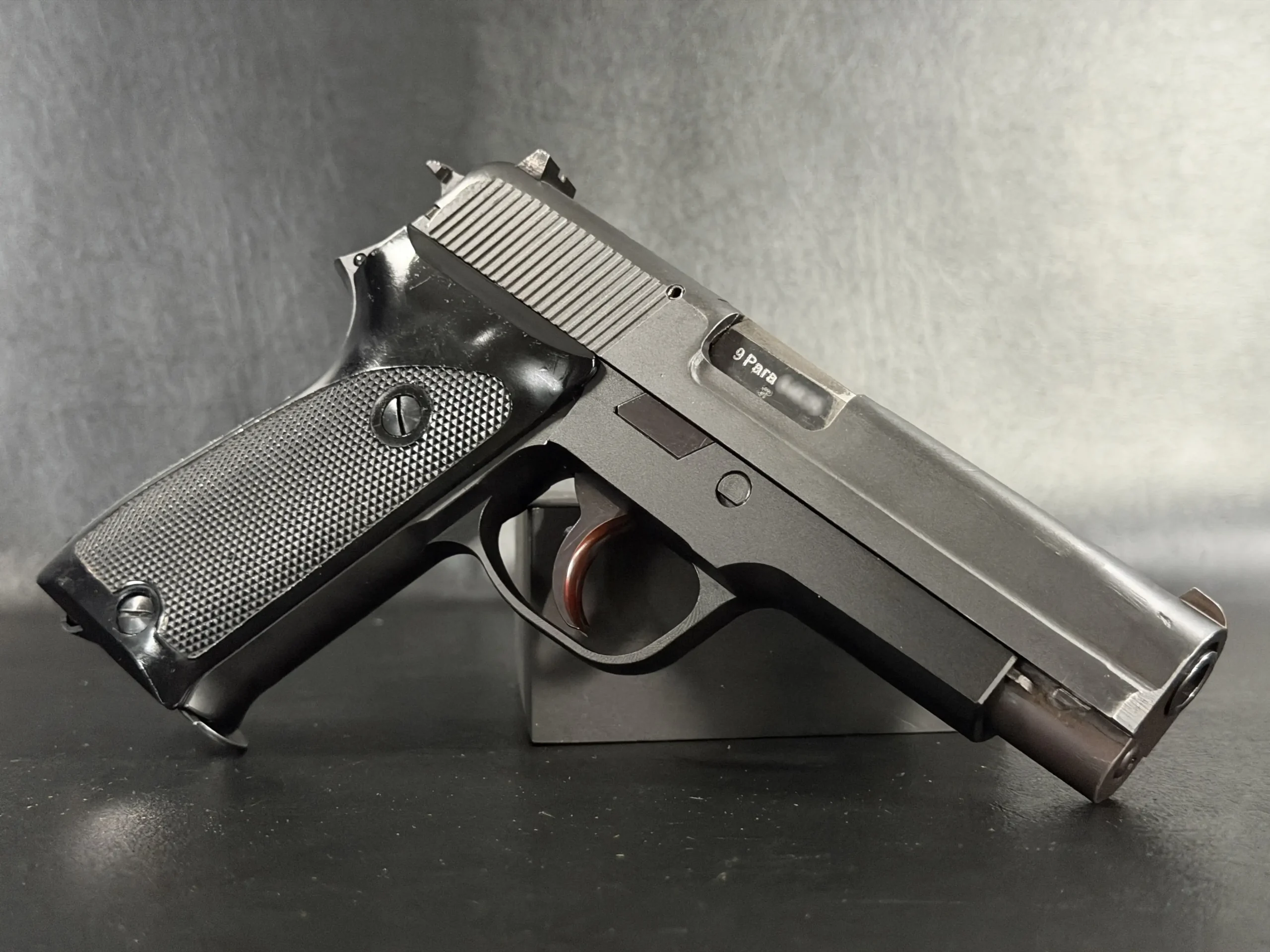
Few pistols represent the transitional evolution of modern service sidearms quite like the SIG Sauer P220 Trial Gun. Built during a period when SIG was refining what would become one of the most respected duty pistols of the late 20th century, trial examples like this occupy a unique space, part prototype, part pre-production, and wholly collectible.
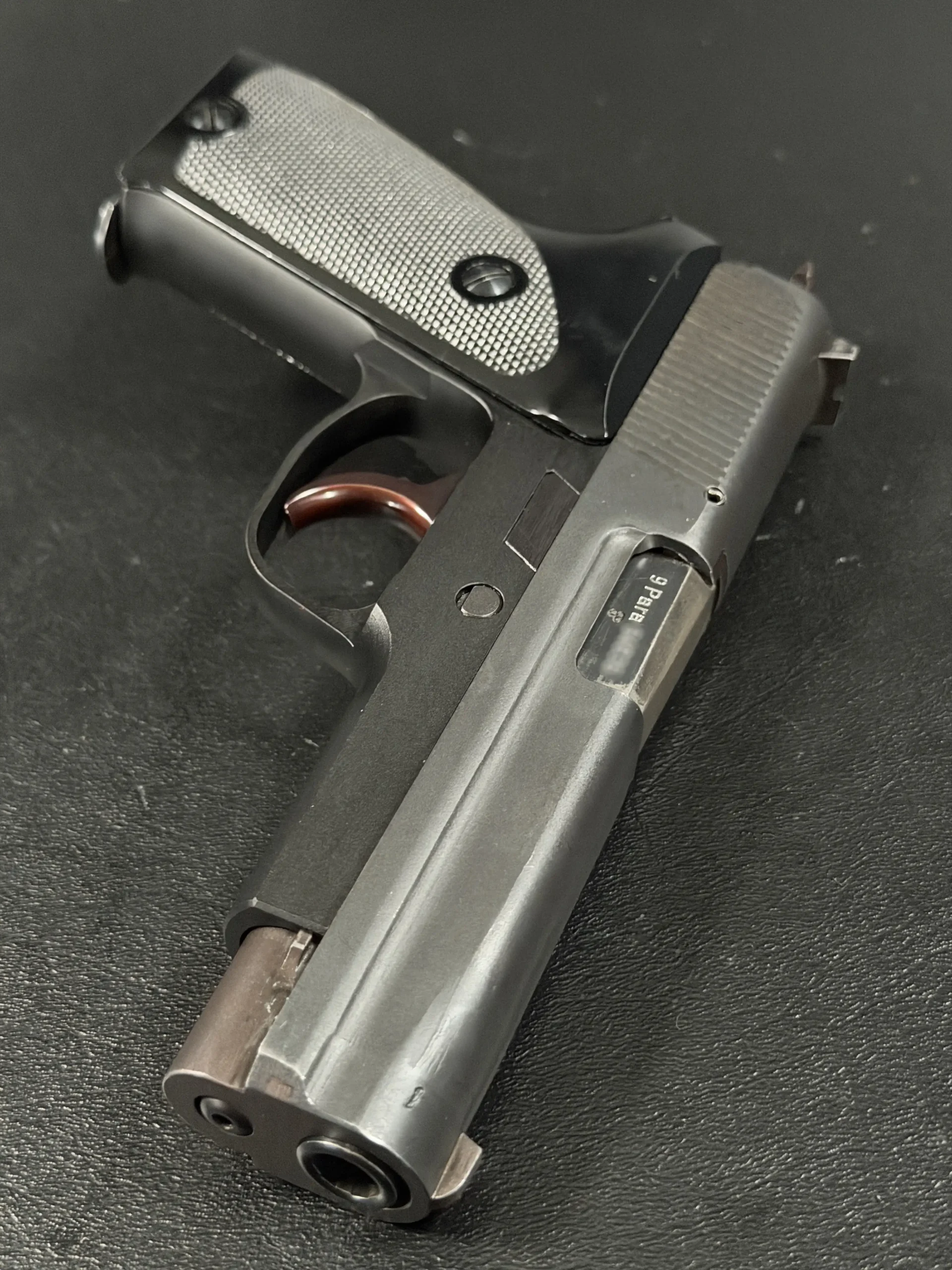
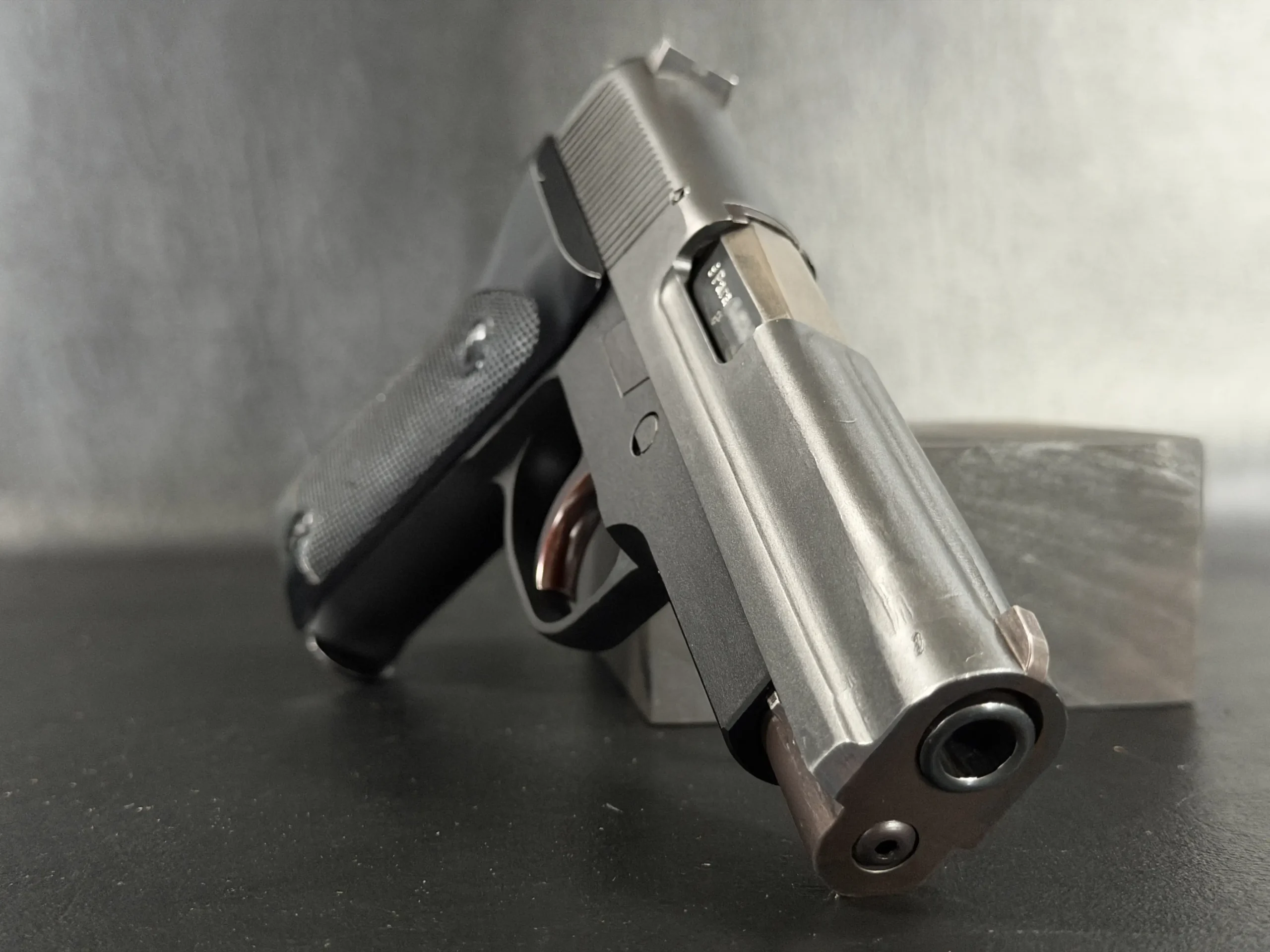
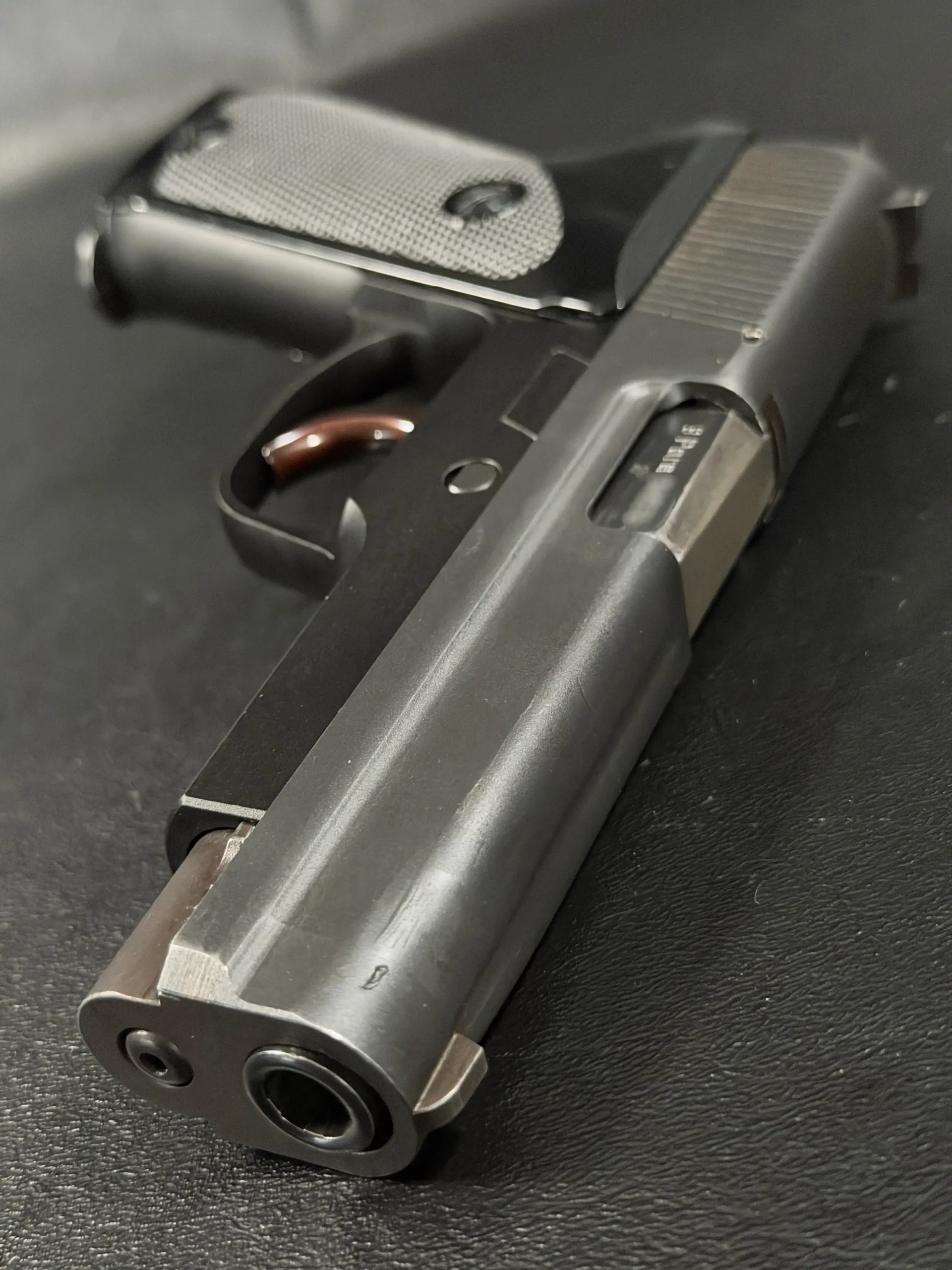
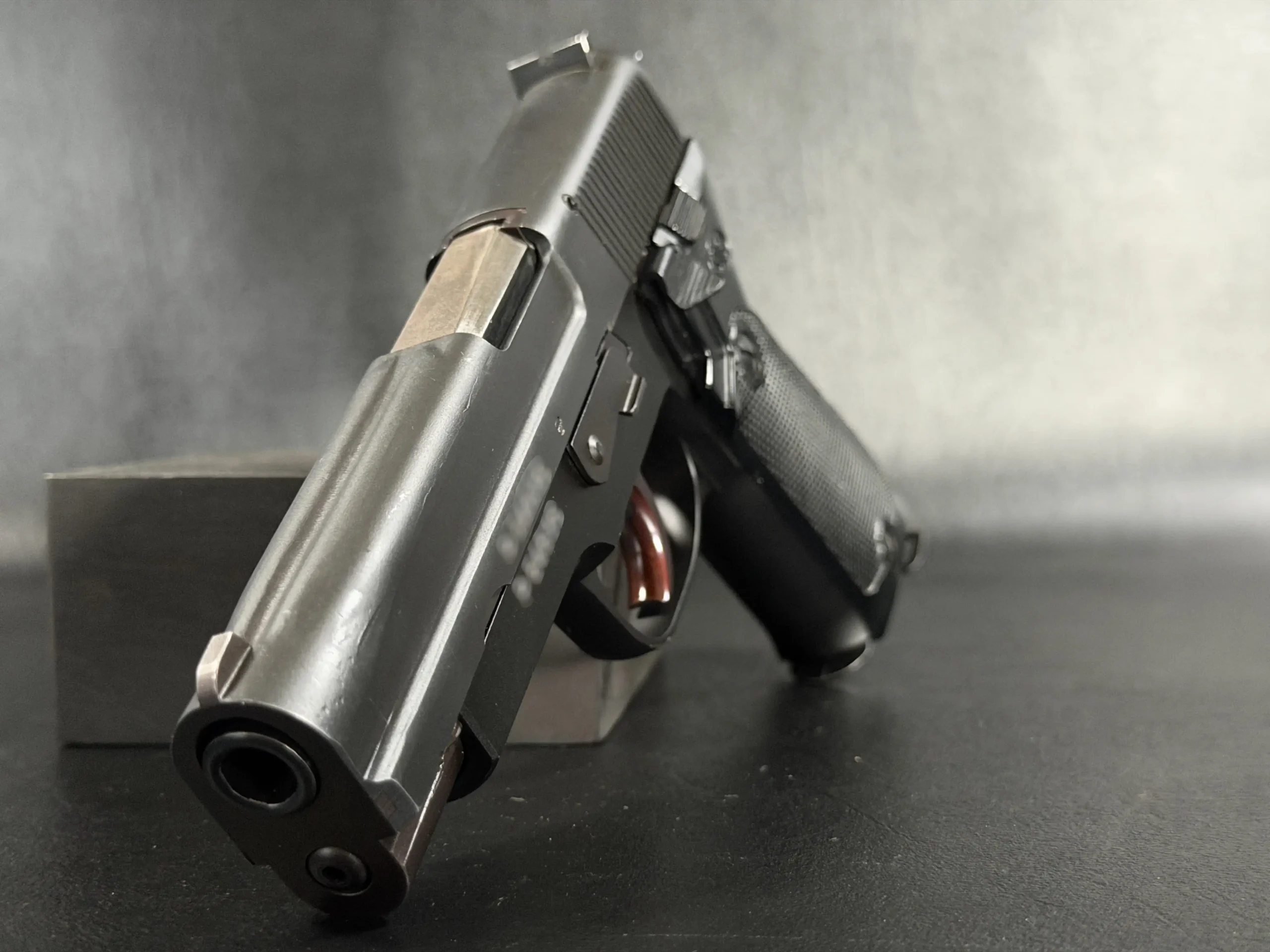
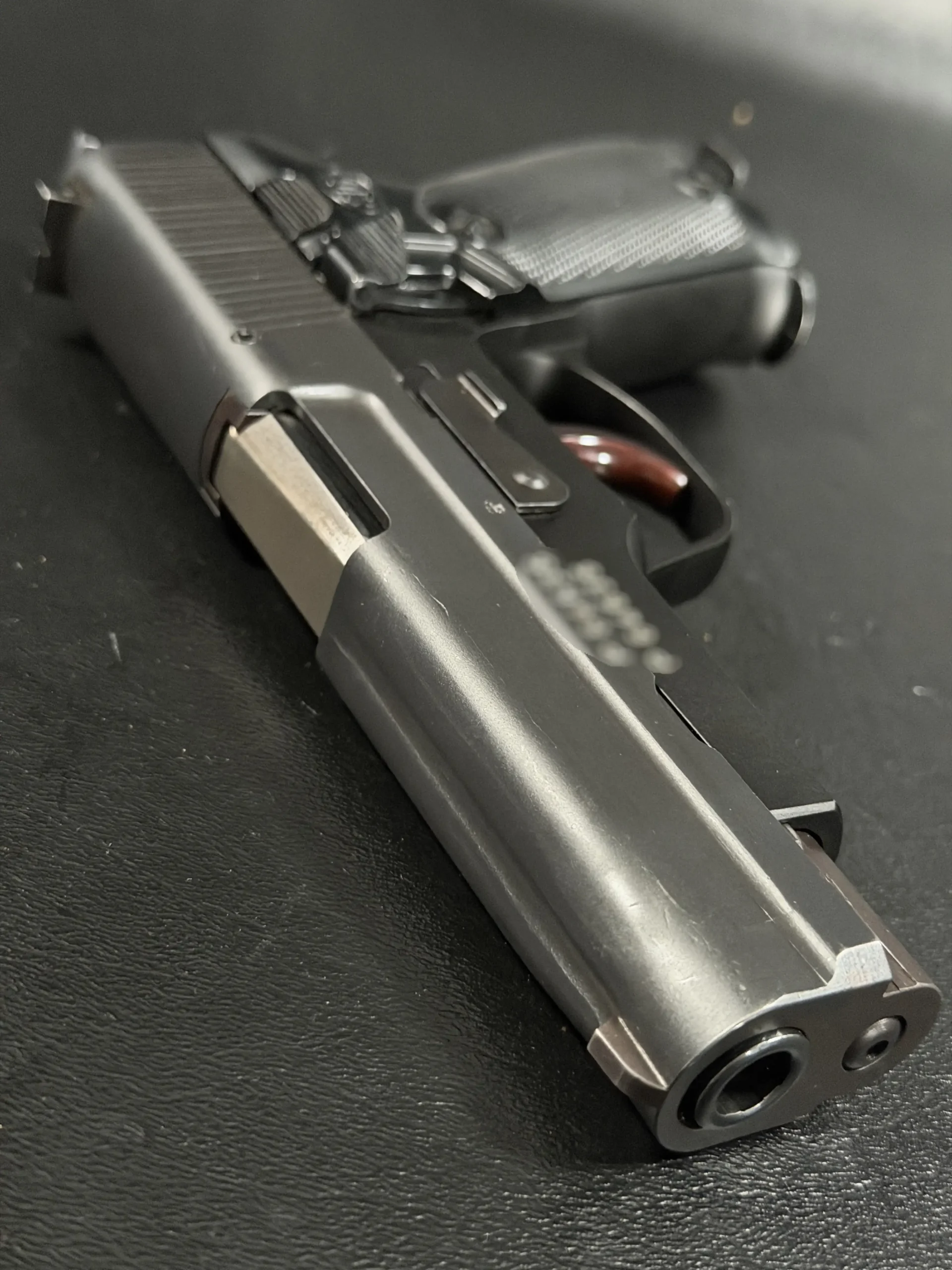
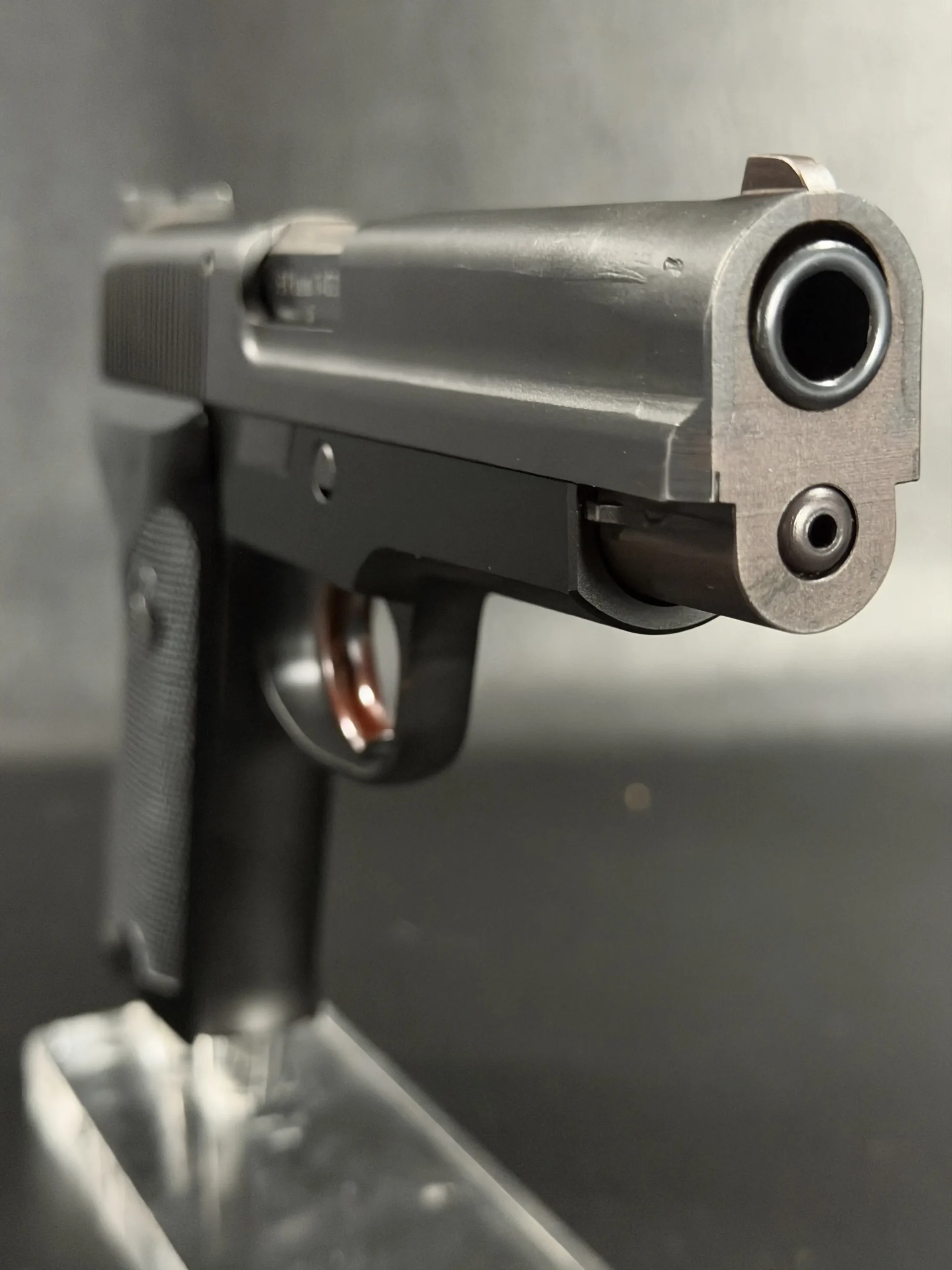
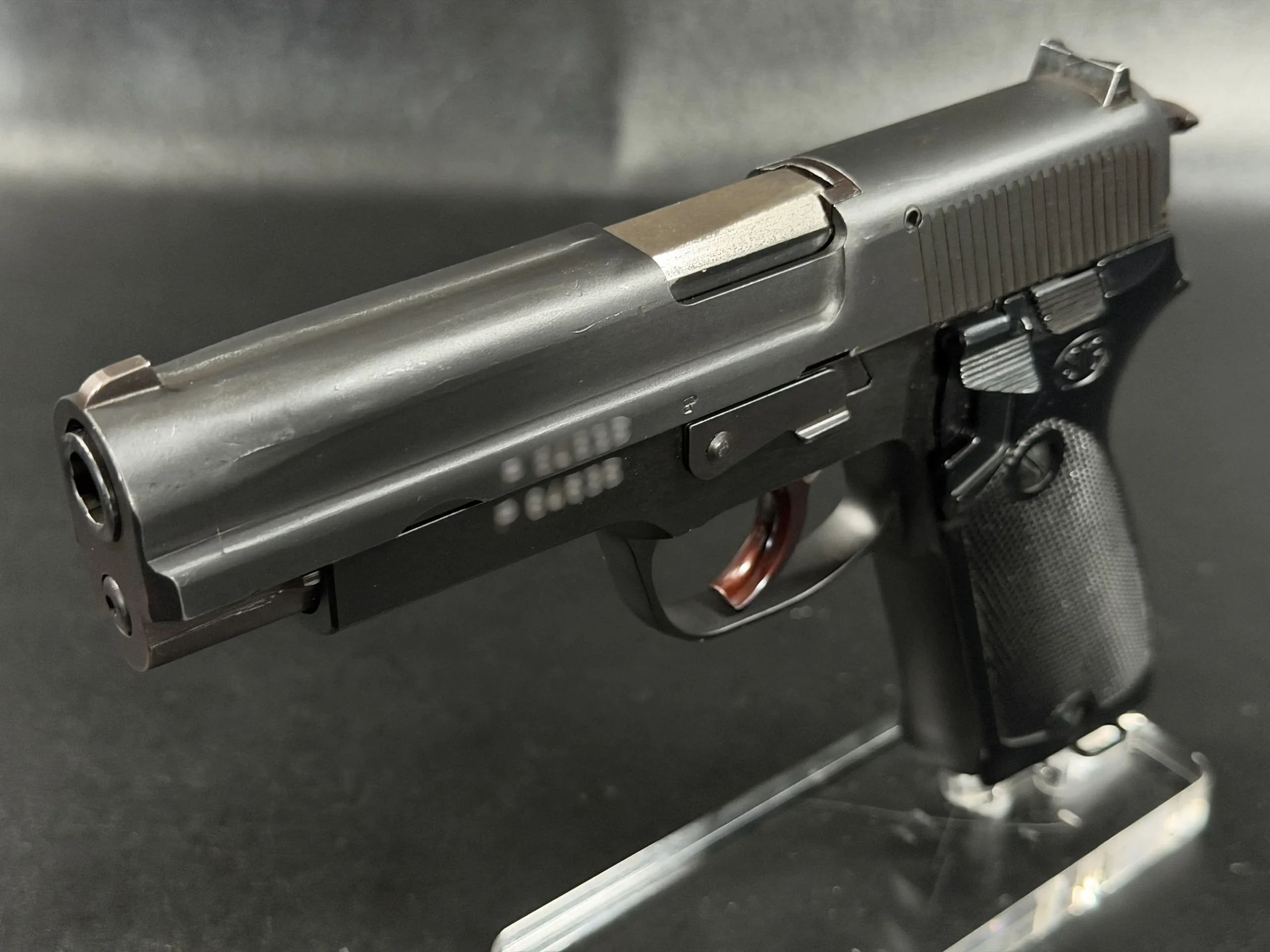
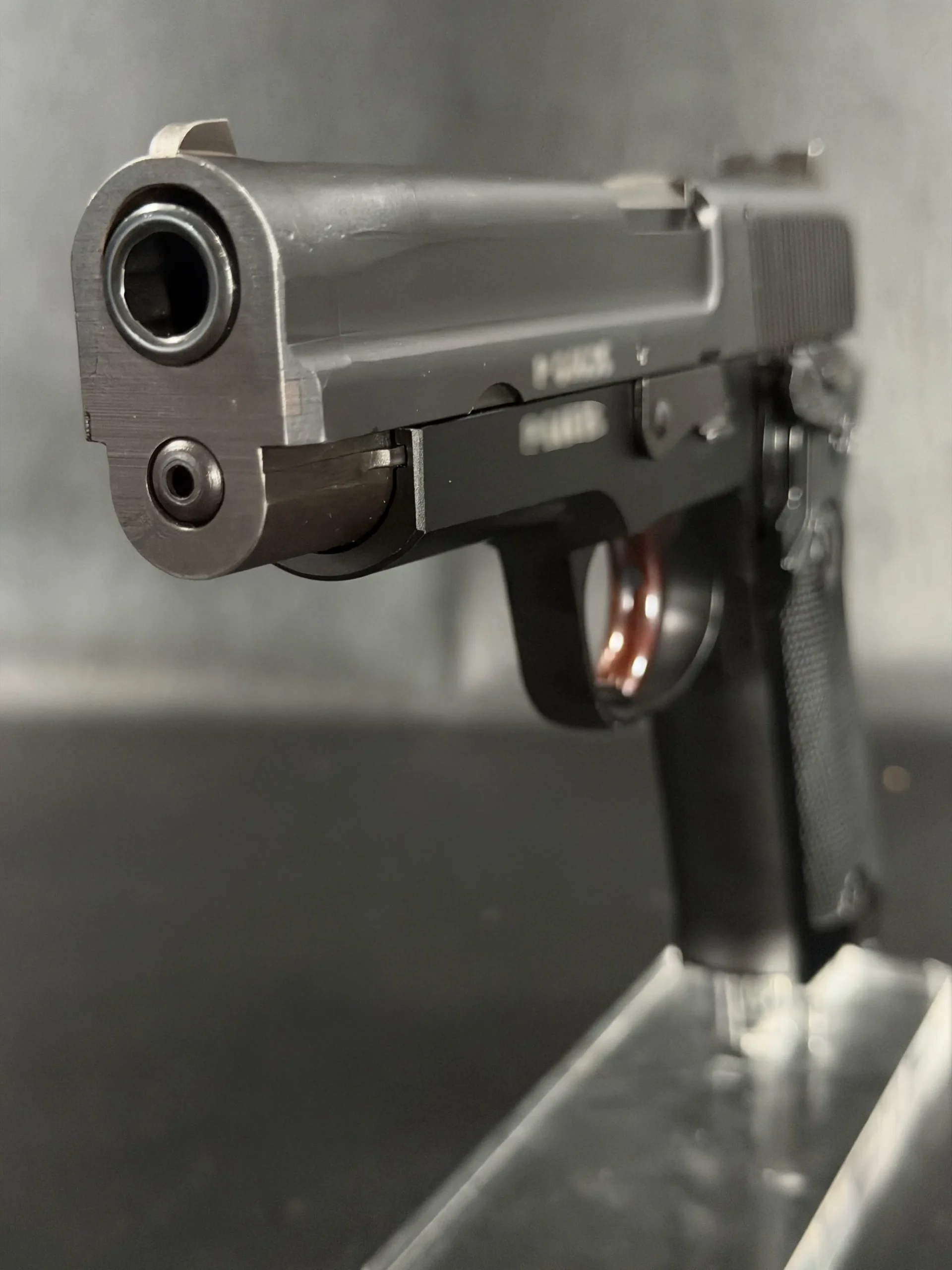
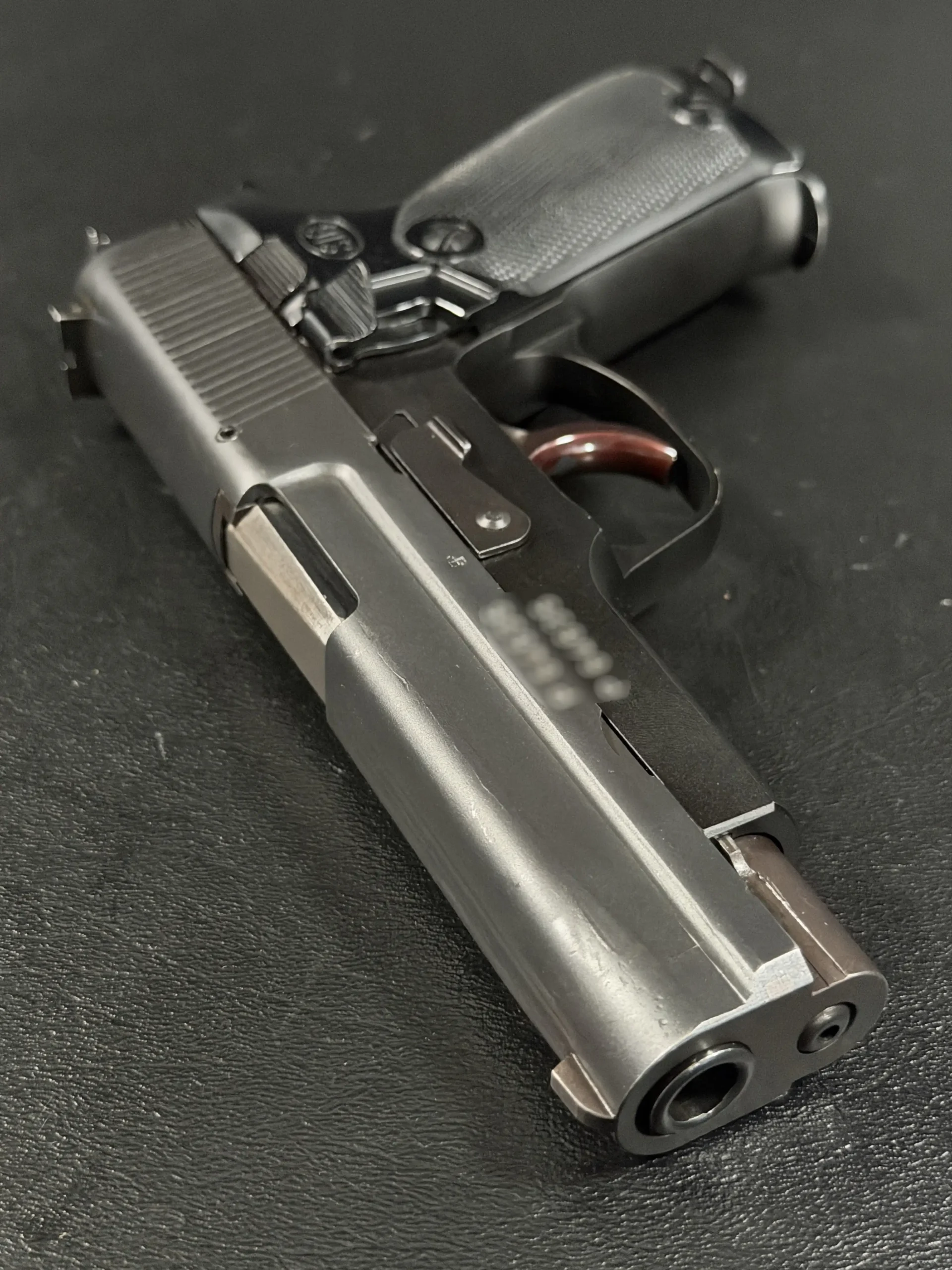
Chambered in 9mm, this early P220 reflects the engineering philosophy that defined SIG’s rise to global prominence: precision machining, rugged reliability, and a design language rooted in purposeful simplicity. The pistol’s configuration showcases the classic P220 profile before it was later standardized for commercial production, subtle machining cues, finish variations, and small production details that distinguish trial and evaluation pieces from their full-production counterparts.
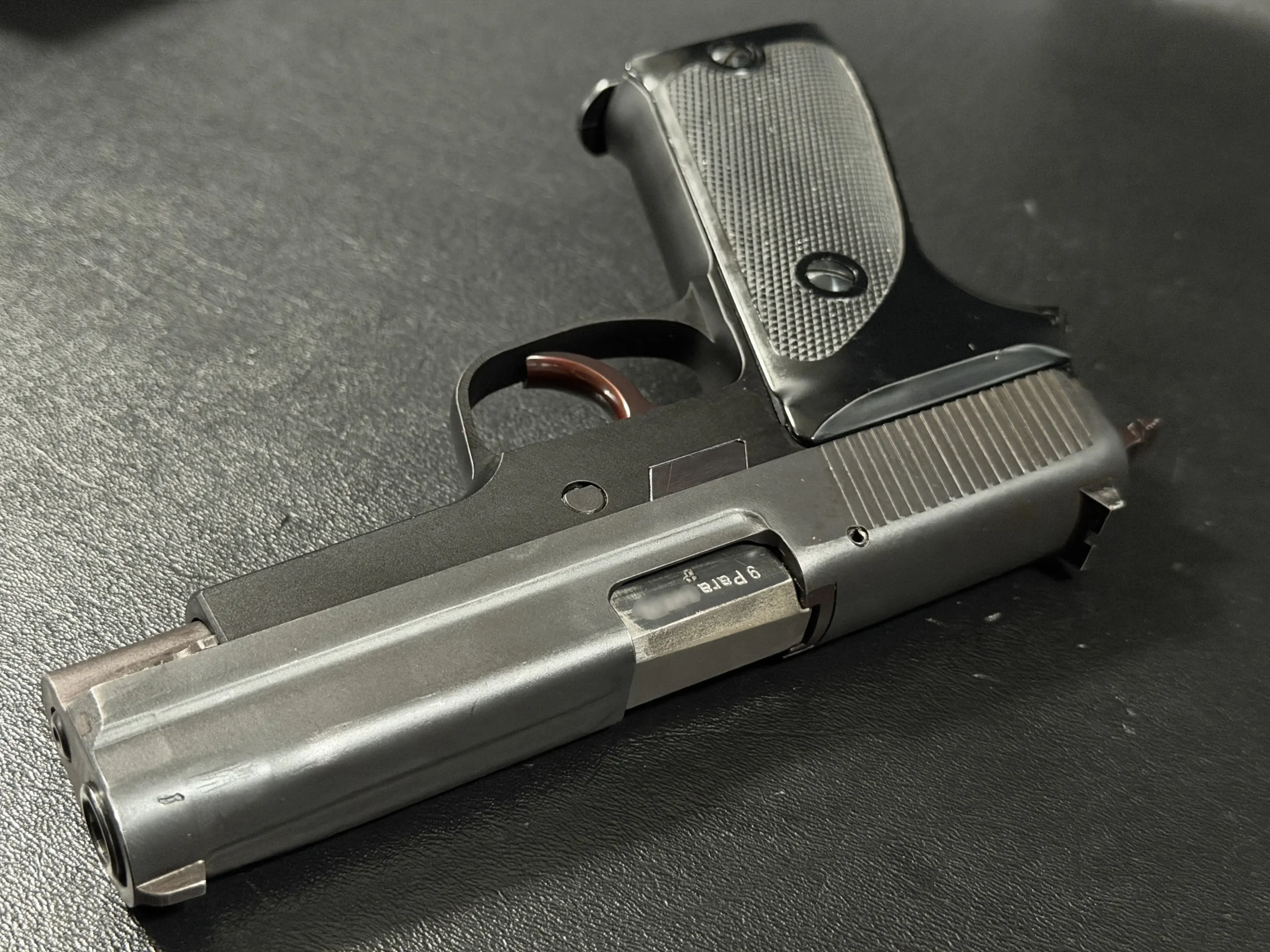
The matte finished slide pairs beautifully with the alloy frame, creating the utilitarian two-tone contrast collectors have come to associate with early SIG service pistols. Period-correct controls, including the decocker and slide stop geometry, remain faithful to the platform’s military and law-enforcement testing heritage. The checkered black grips, adorned with the SIG medallion, complete the pistol’s understated yet authoritative presence.
From a mechanical standpoint, the P220’s locked-breech system and refined feed geometry were instrumental in establishing SIG Sauer’s reputation for out-of-the-box reliability. Trial guns such as this were produced in limited numbers for testing, evaluation, and refinement, often seeing controlled distribution among military, police, or institutional evaluators before final production specifications were set.
What makes this example especially compelling for the advanced SIG collector is its place in the developmental timeline. Trial pistols capture the “in-between” moment, after concept but before mass adoption, when engineering decisions were still being tested in real-world conditions. These firearms often exhibit hand-fitted characteristics and production nuances absent from later commercial runs.
Visually, the pistol presents a genuine service character. Light handling marks and finish wear consistent with evaluation use add authenticity rather than detract, evidence of the pistol’s functional role during SIG’s formative expansion into the global service market.
For the SIG Sauer historian, prototype and trial variations remain among the most elusive acquisitions. They bridge the gap between factory archives and production showcases, offering tangible insight into the company’s developmental process.