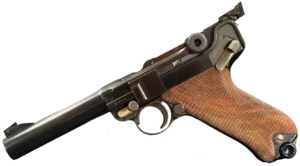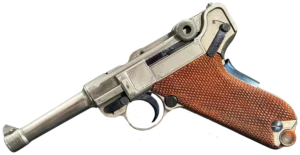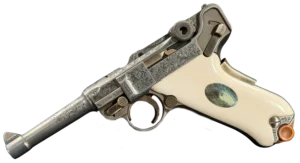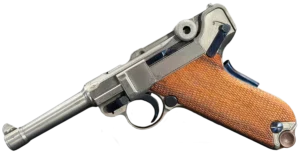


The Luger P08: Development, Service, and Collector Significance
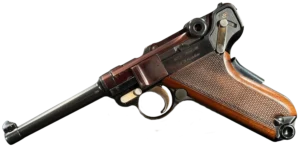
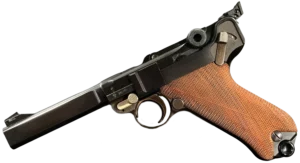
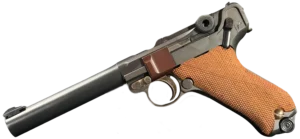
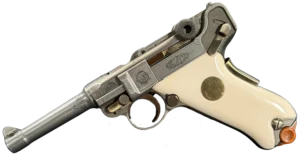
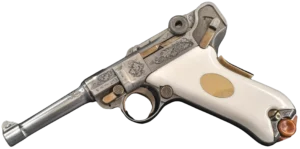
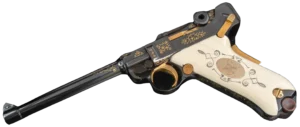
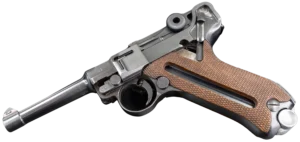
Key Takeaways:The Luger is best understood as a family of Parabellum pistols rather than a single model. Its development spanned several configurations before the German
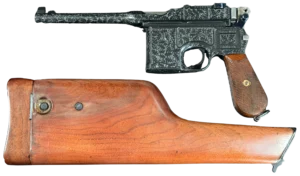
Mauser’s history extends across both rifles and self-loading pistols. Two useful reference points are the C96 pistol, introduced in 1896, and the Gewehr 98 rifle system introduced in 1898. Together, they show why the name should not be reduced to a single model or a single branch of firearms development.
The Smithsonian’s National Museum of American History documents a C96 example commonly described as a Red 9. Its account distinguishes this First World War variation from the earlier form of the pistol and explains the identifying numeral applied to the grips. Mauser’s own company history separately highlights the 98 system, placing the rifle line within a longer manufacturing tradition.

These sources offer complementary ways to approach the brand: a company chronology and the study of a specific surviving object. The distinction between a Mauser design and a firearm actually manufactured by Mauser remains important. Markings, model designation and production records should establish that relationship for each example. Studying the pistol and rifle histories together reveals the breadth of the name, while careful attribution prevents a familiar design label from becoming an unsupported statement about the maker.
Key Takeaways:The Luger is best understood as a family of Parabellum pistols rather than a single model. Its development spanned several configurations before the German

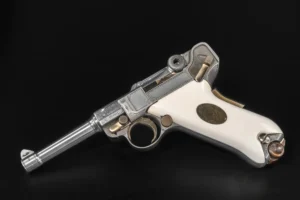
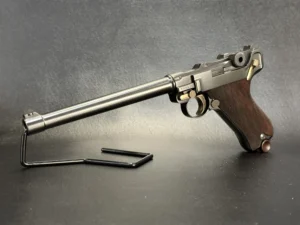
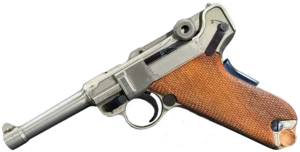
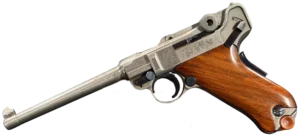
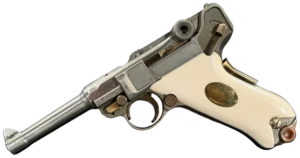
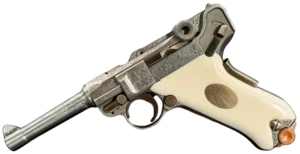
Developed by Georg Luger from Hugo Borchardt’s C93, the Luger Parabellum became an important early military self-loading pistol. Its manufacturers, markings, configurations and documented history continue to define its significance for collectors.

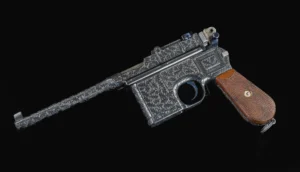
The Mauser C96 was an influential early self-loading pistol distinguished by its integral magazine and “Broomhandle” grip. Its many variants, military associations, and distinctive design continue to interest collectors and historians.

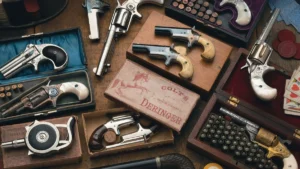
These six firearms reflect important developments in mechanical design, military service, and American history. Their collectible significance depends on originality, condition, configuration, and documented provenance.

These ten landmark firearms helped shape military, sporting, and commercial firearms history. For collectors, originality, condition, configuration, and documented provenance matter more than a famous model name alone.

From the Luger P08 to the HK416, German firearms have influenced military technology, manufacturing, and collecting. This article examines ten significant designs and the evidence collectors should consider when evaluating them.
Categories
Caliber
Categories
Caliber
If you have any questions, queries, or comments, please feel free to get in touch, and our team will be delighted to help you.