

Description
Few pistols capture the transitional period of post-war German handgun design quite like the Walther P5. Developed during the 1970s as Walther’s answer to evolving European police requirements, the P5 represented a major step forward in the company’s long lineage of service pistols. Drawing heavily from the proven mechanics of the Walther P38 while introducing modern refinements, the P5 became one of the most distinctive service pistols of its era.
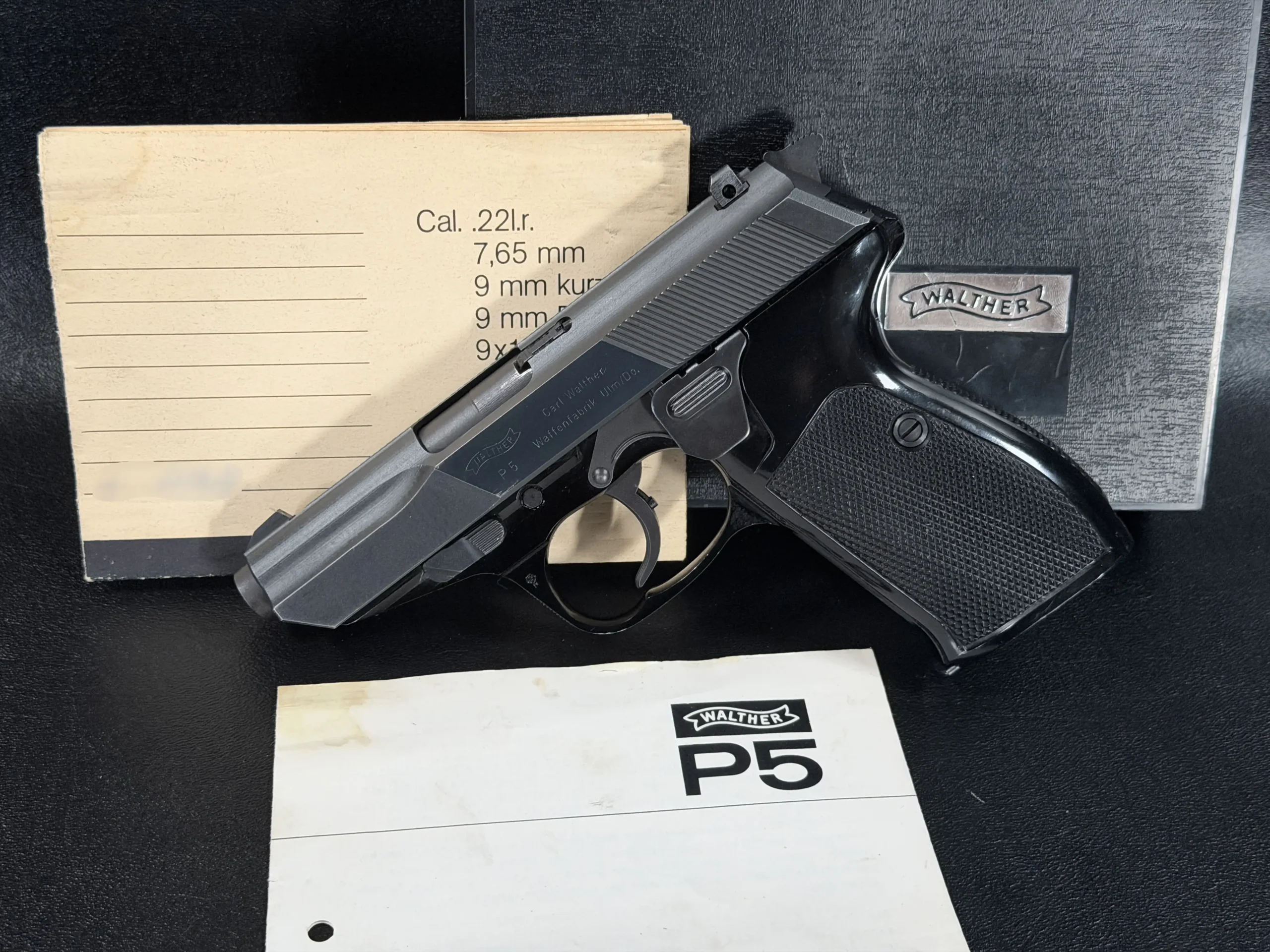
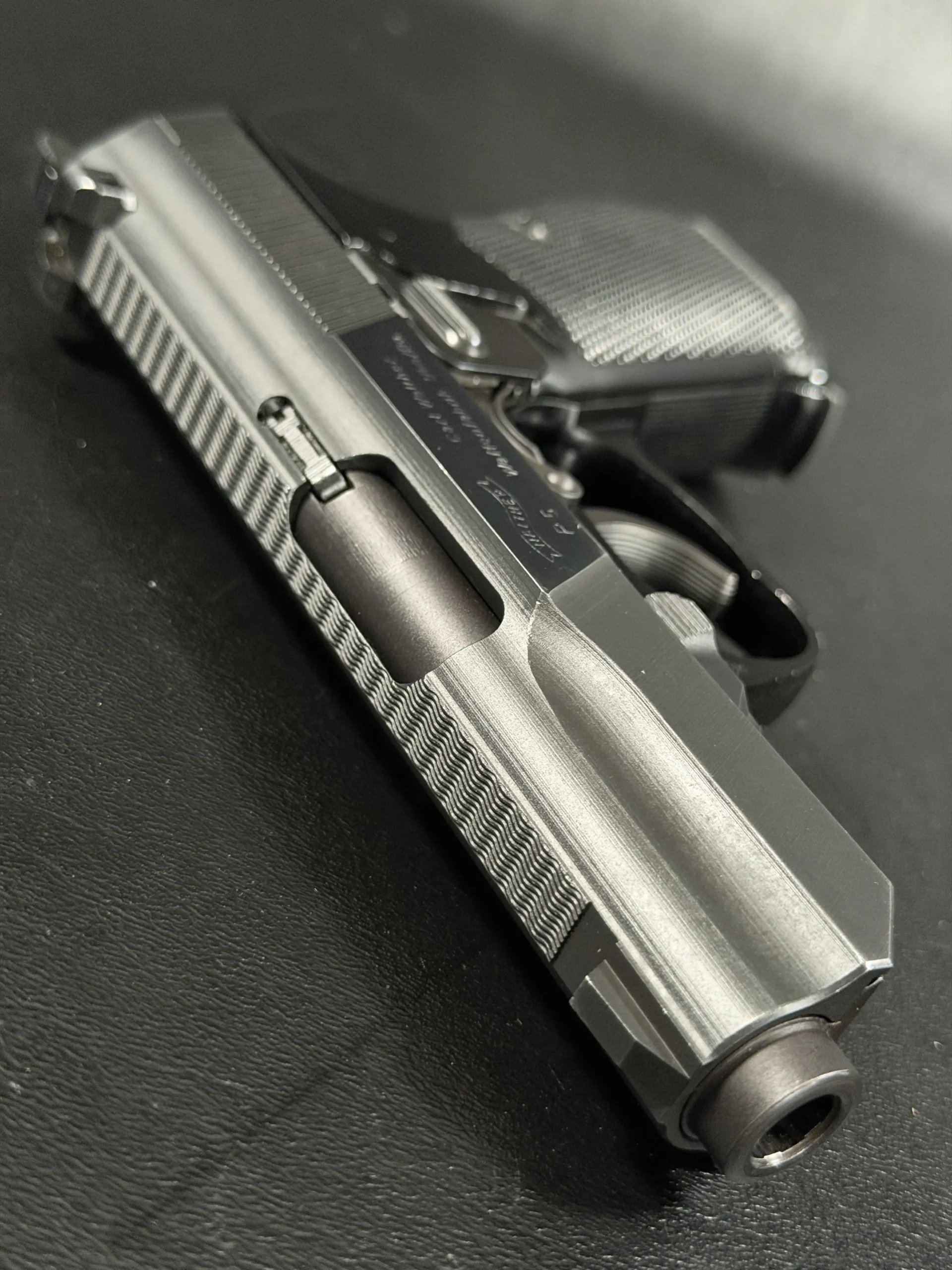
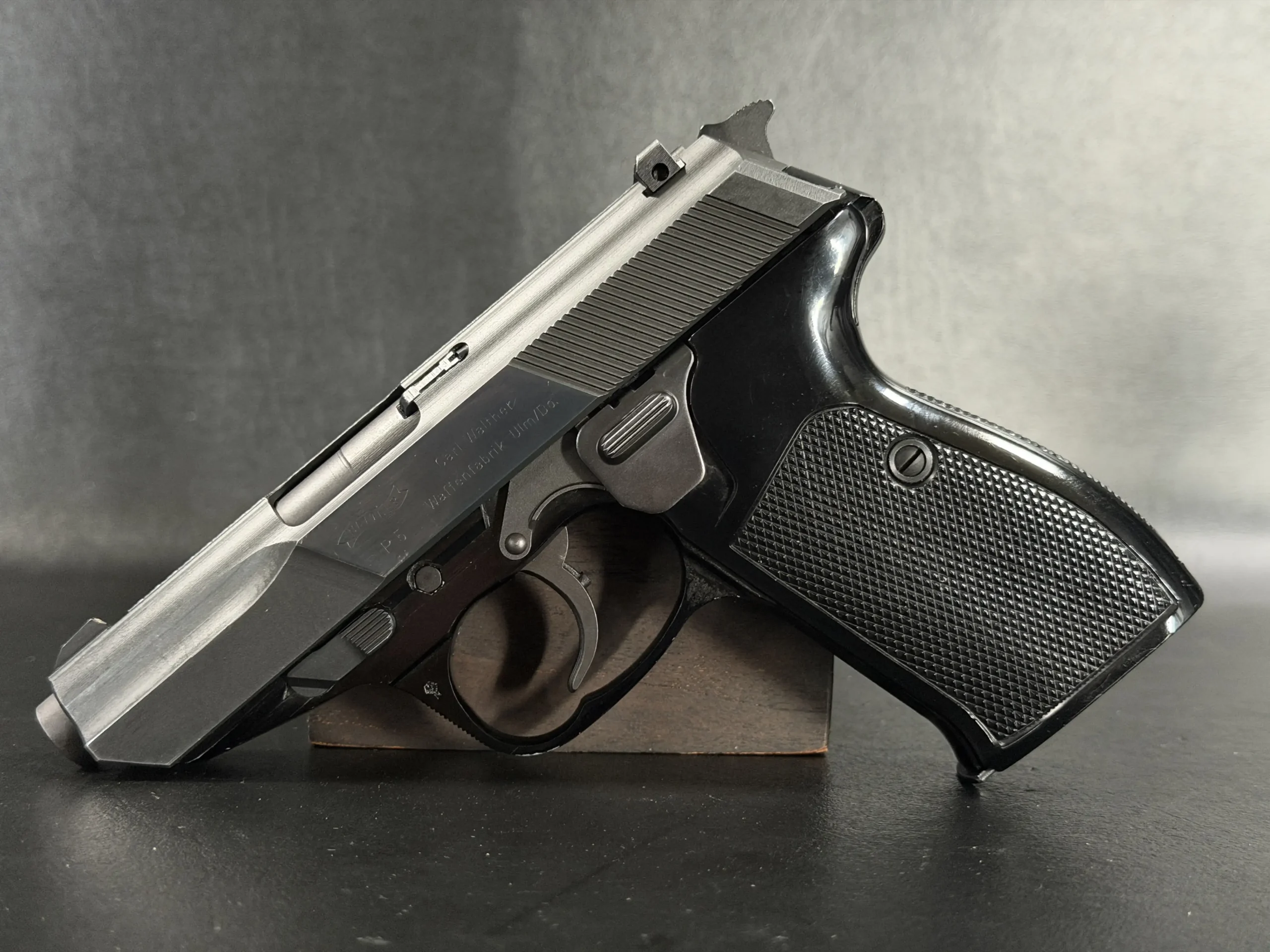
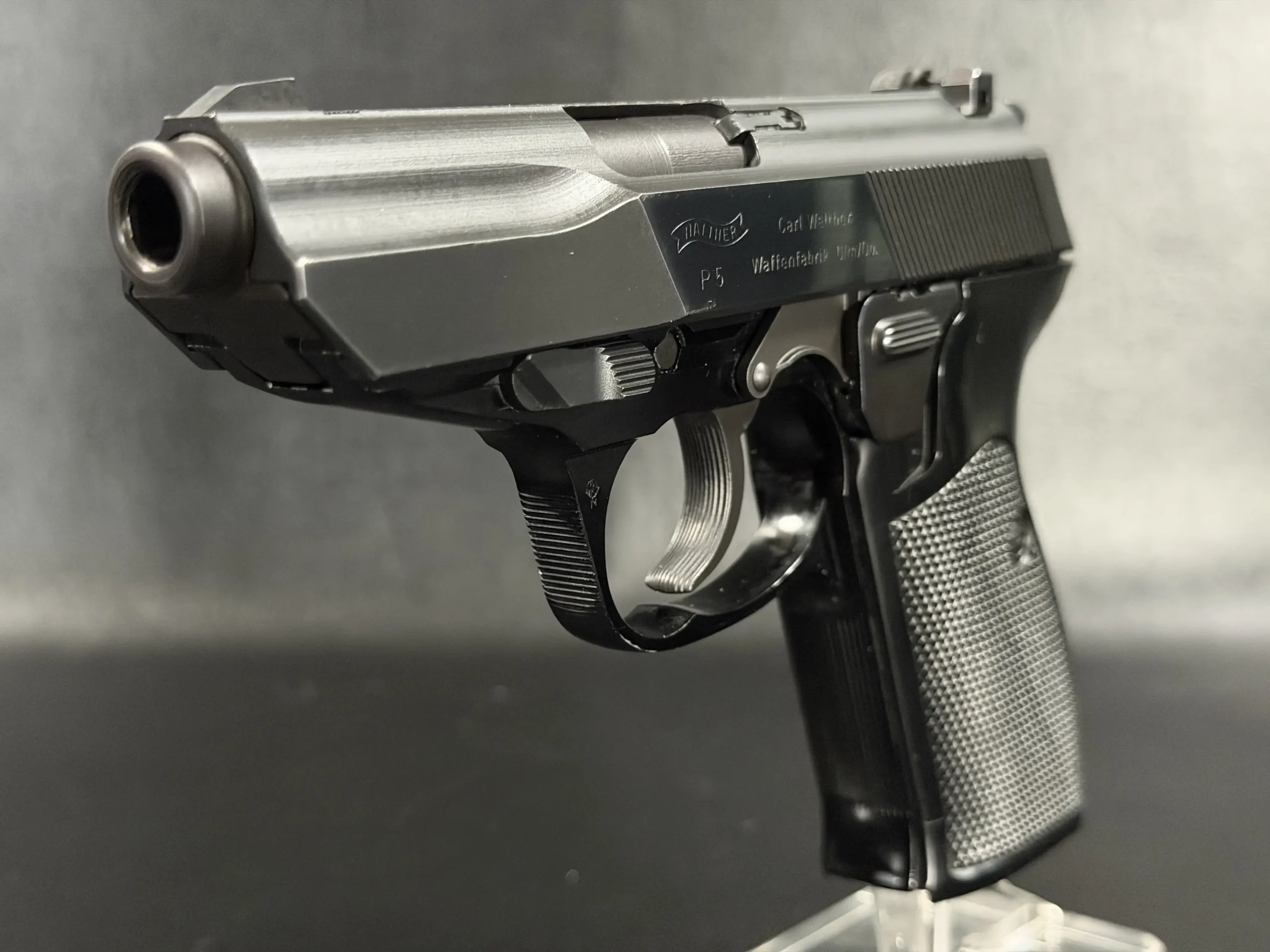
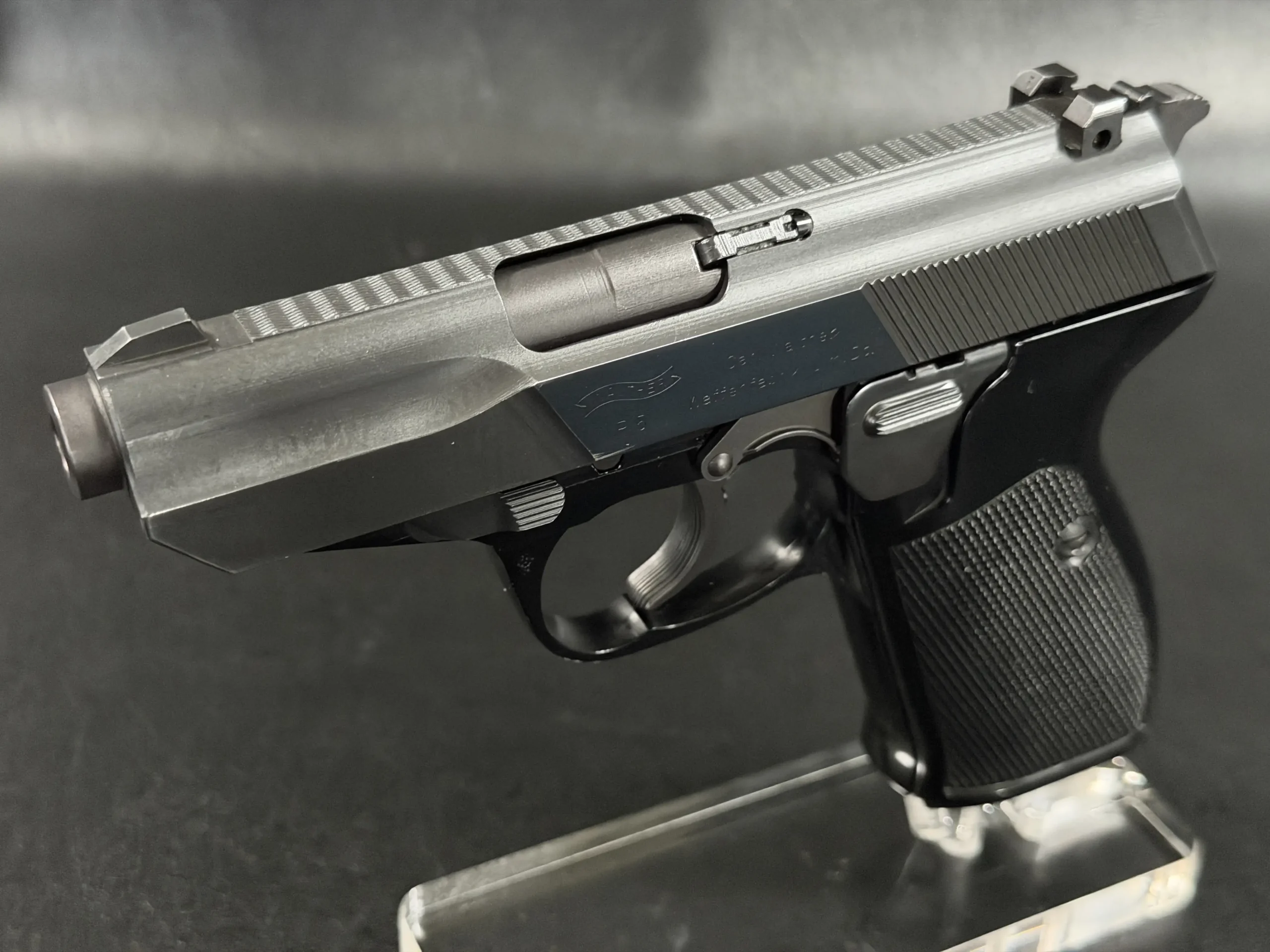
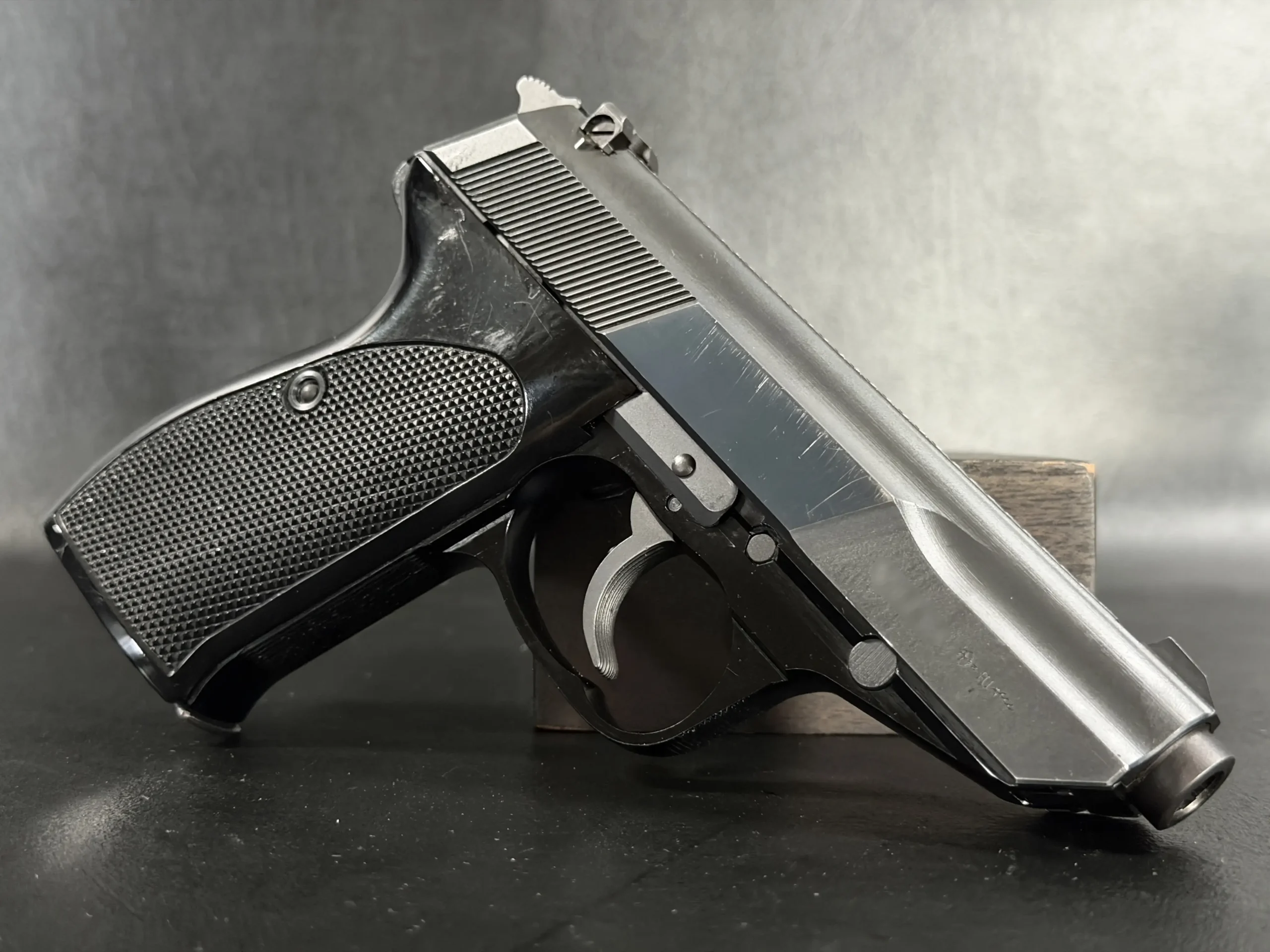
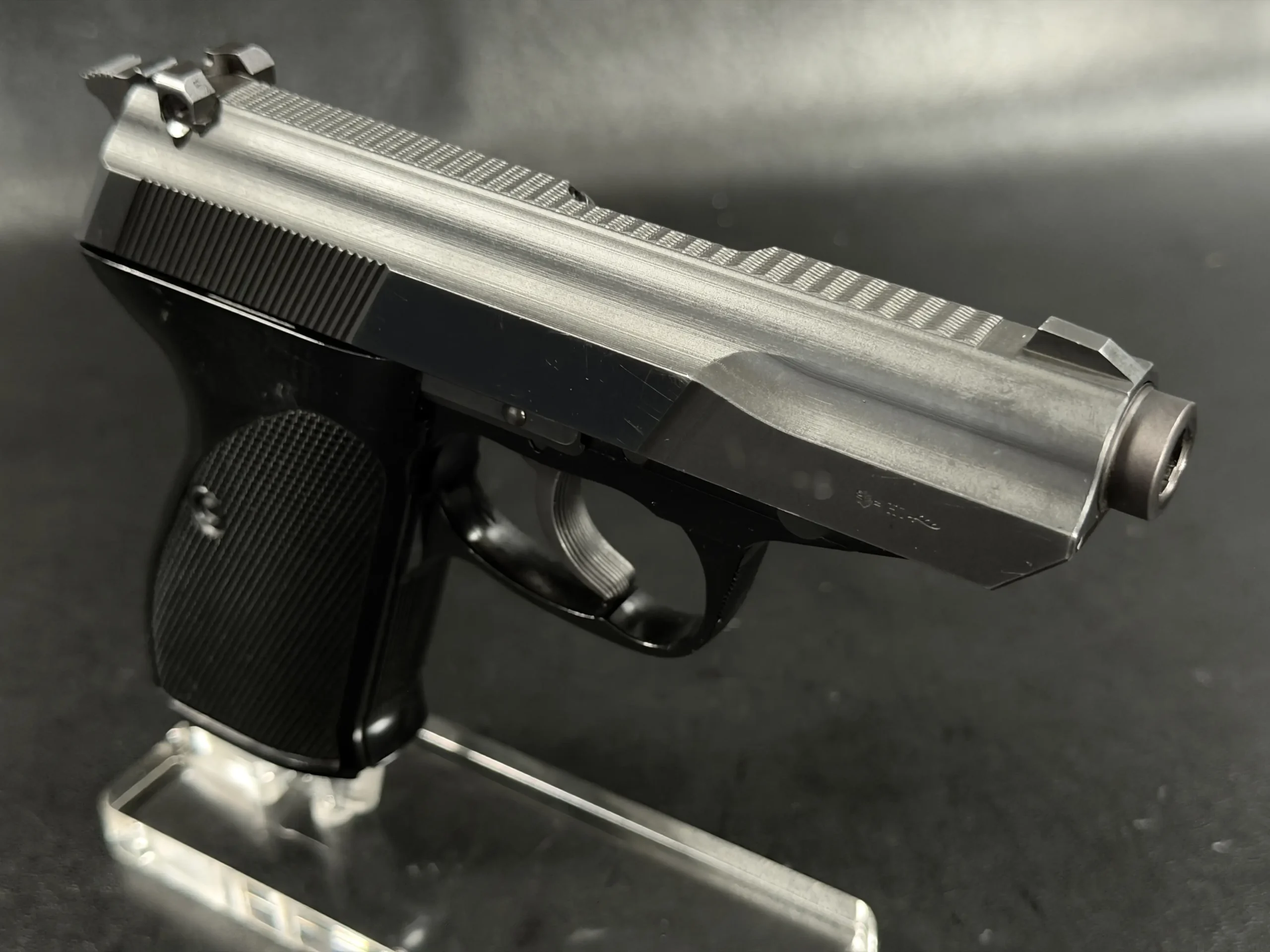
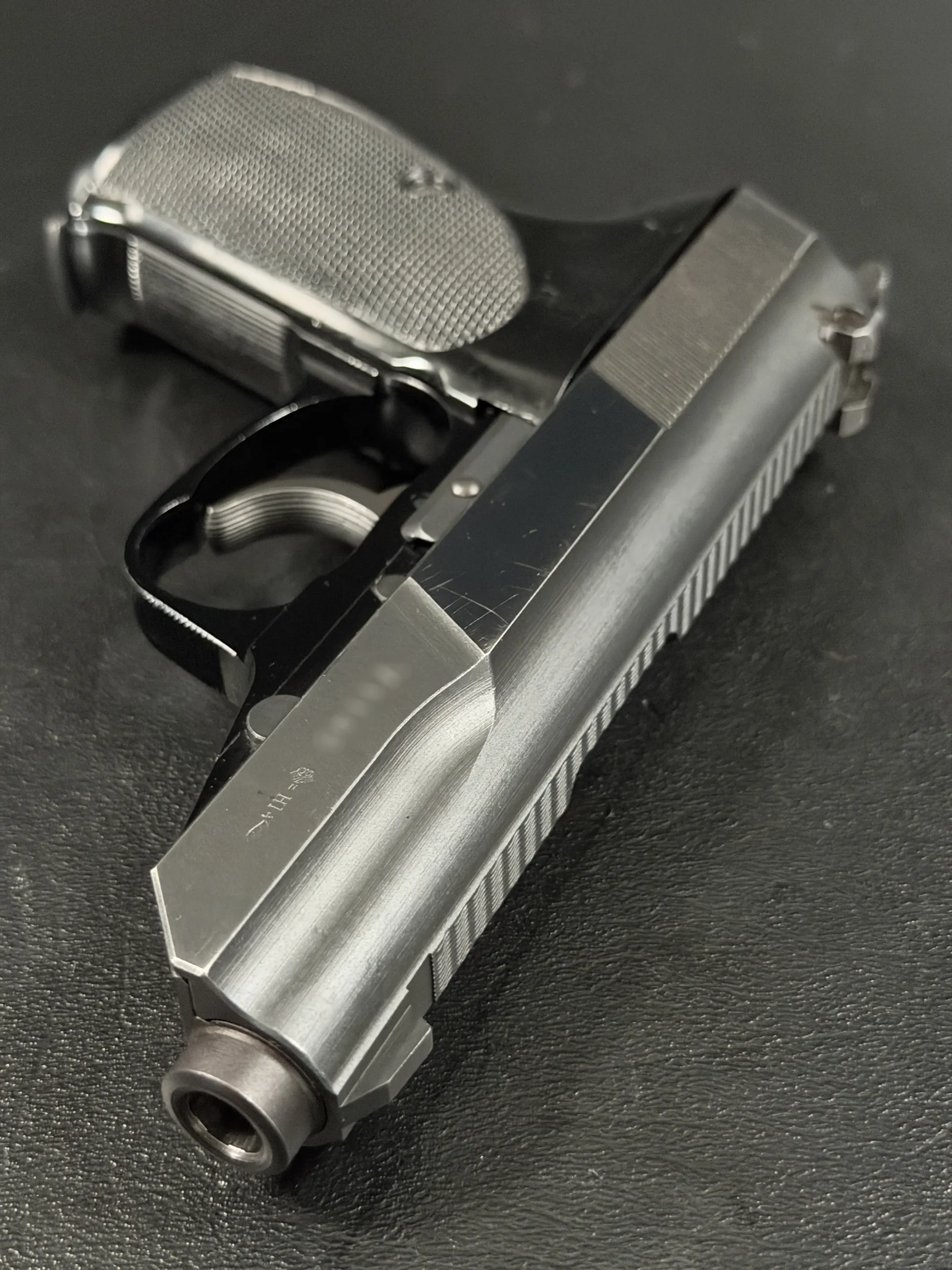
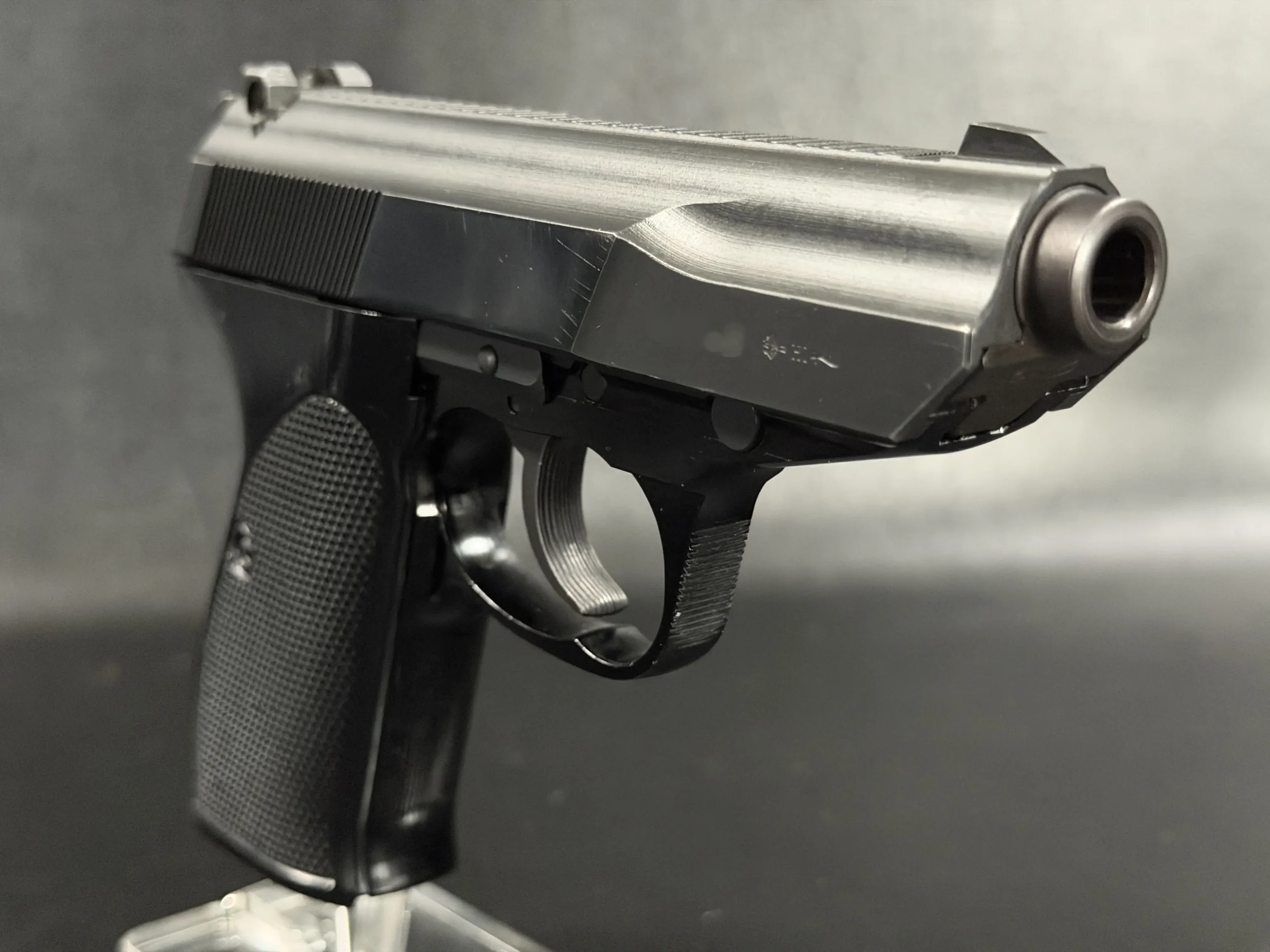
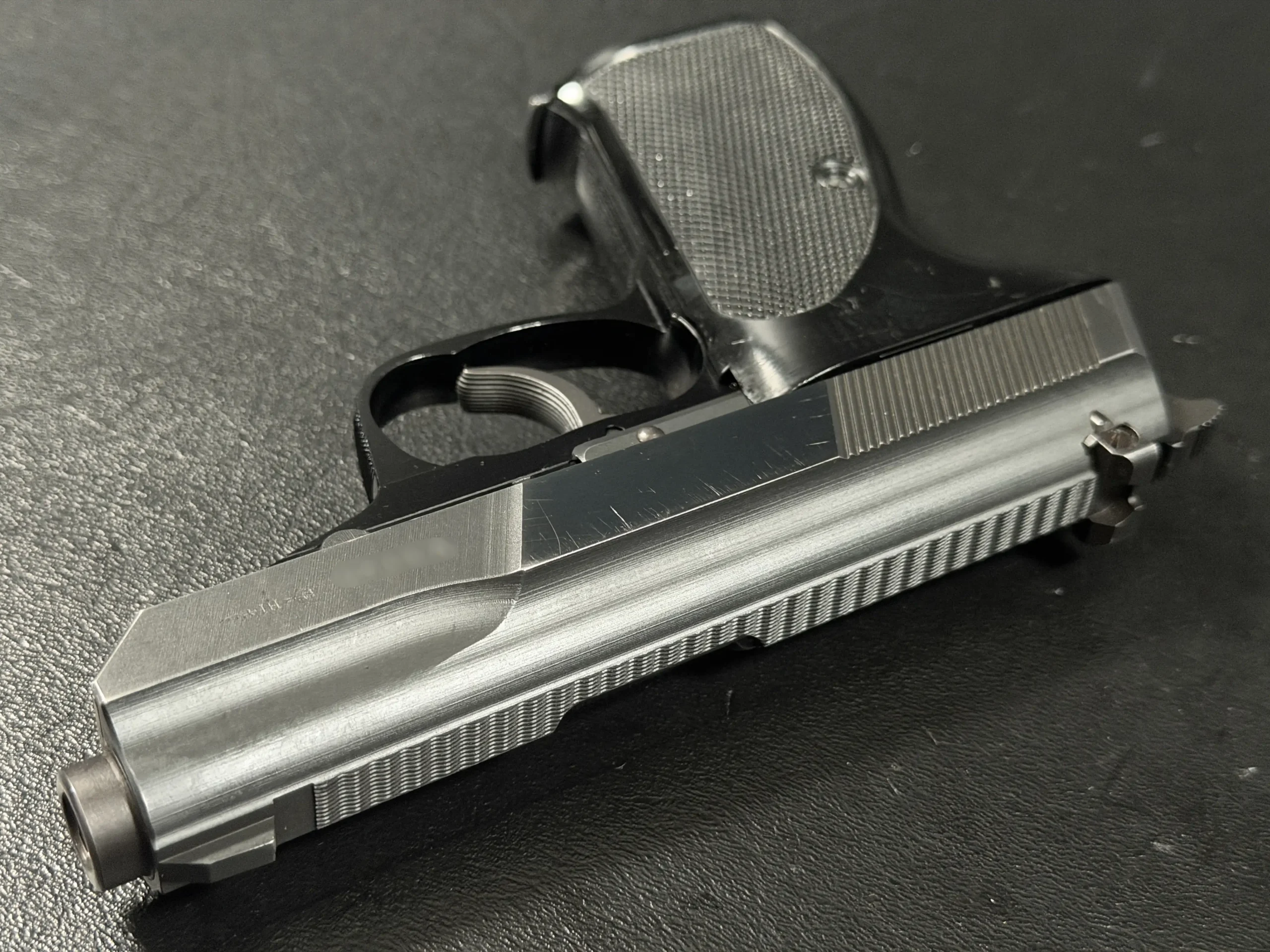
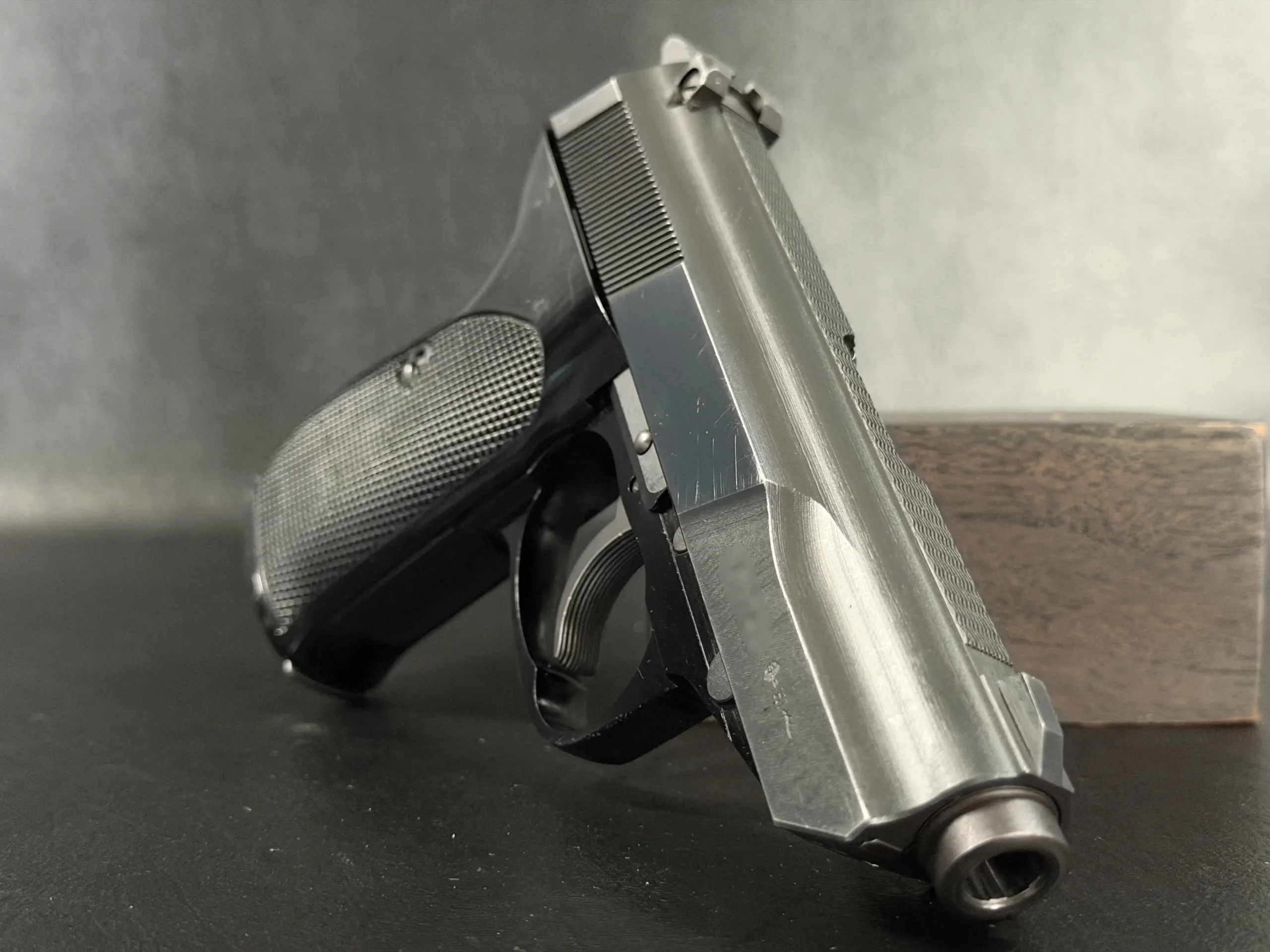
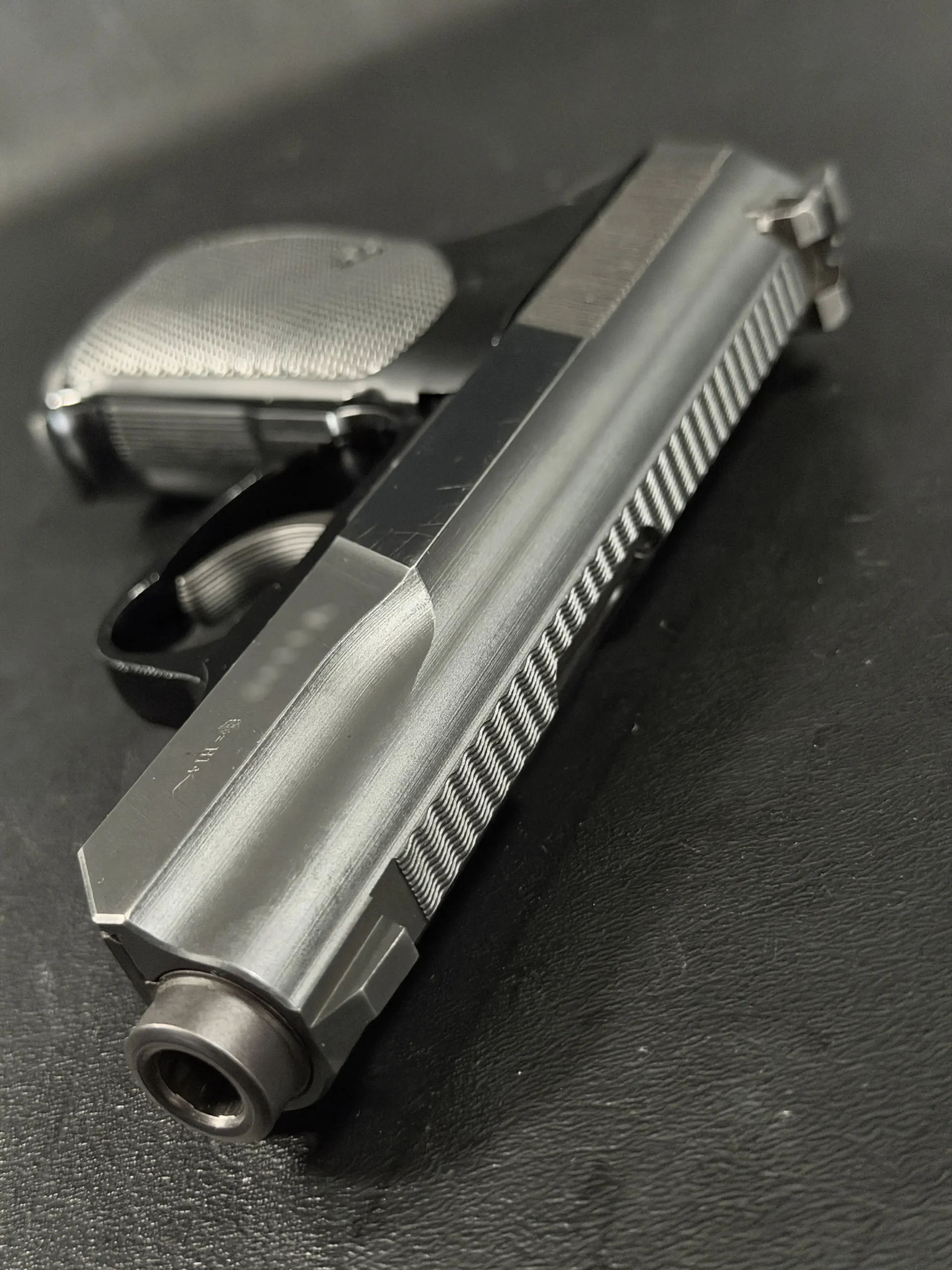
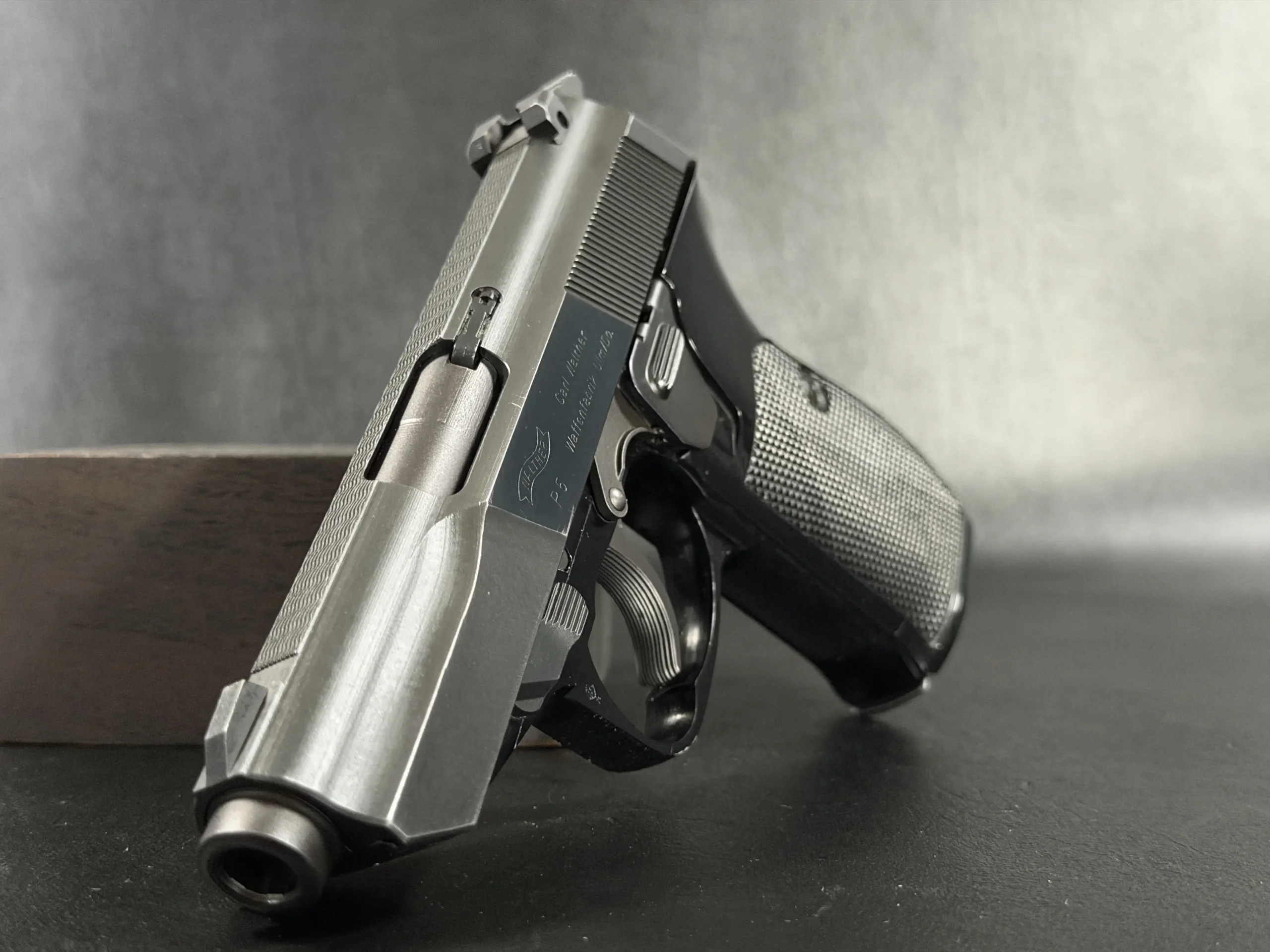
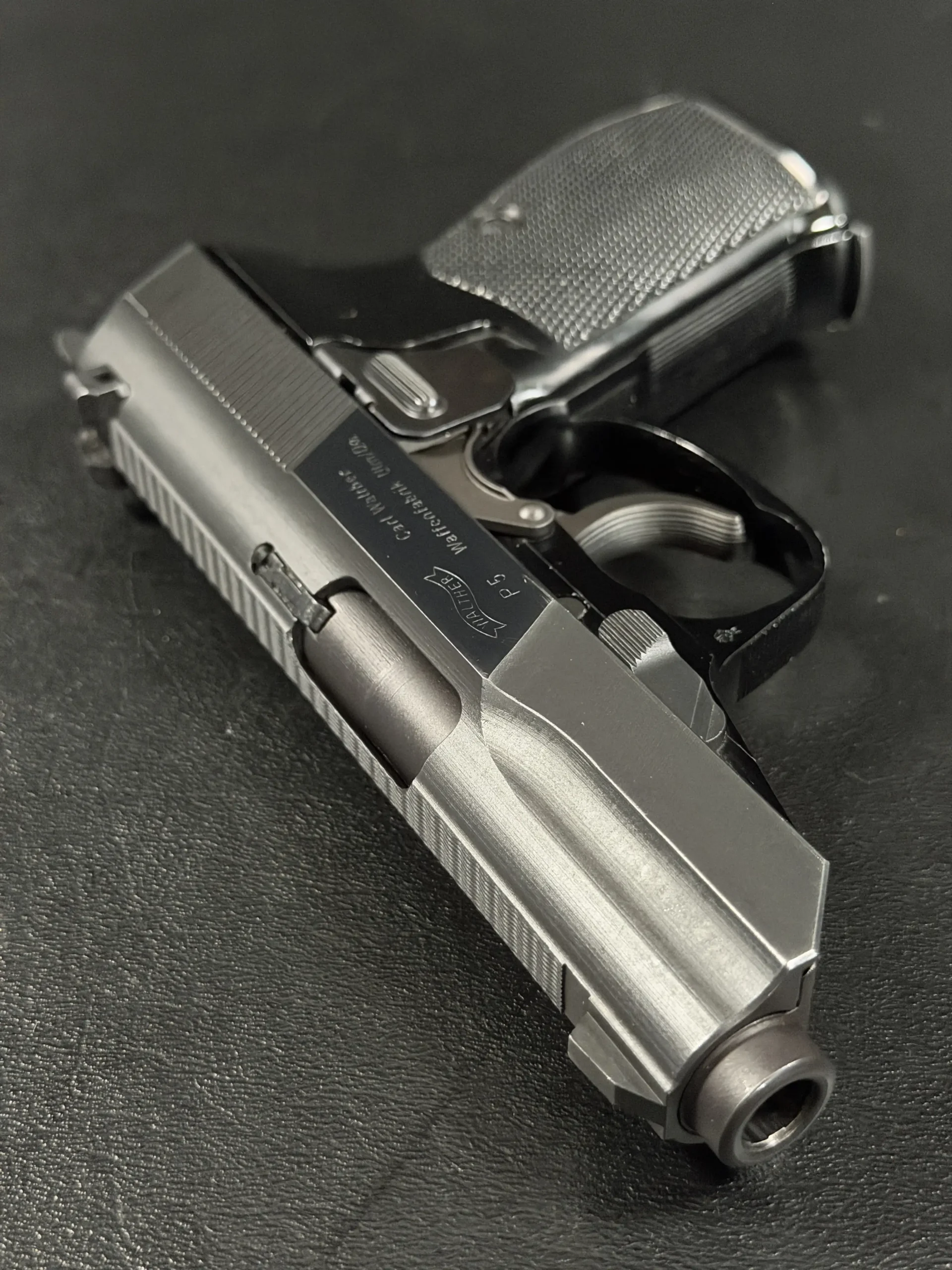
The example presented here is a rare Walther P5 Prototype chambered in 9mm, offering a remarkable glimpse into the pistol’s development. Prototypes from major manufacturers are seldom encountered, as they were typically produced in extremely limited numbers and retained within factory testing programs. When such pieces do surface, they serve as an important bridge between concept and production, artifacts of engineering experimentation that reveal how the final design came to be.
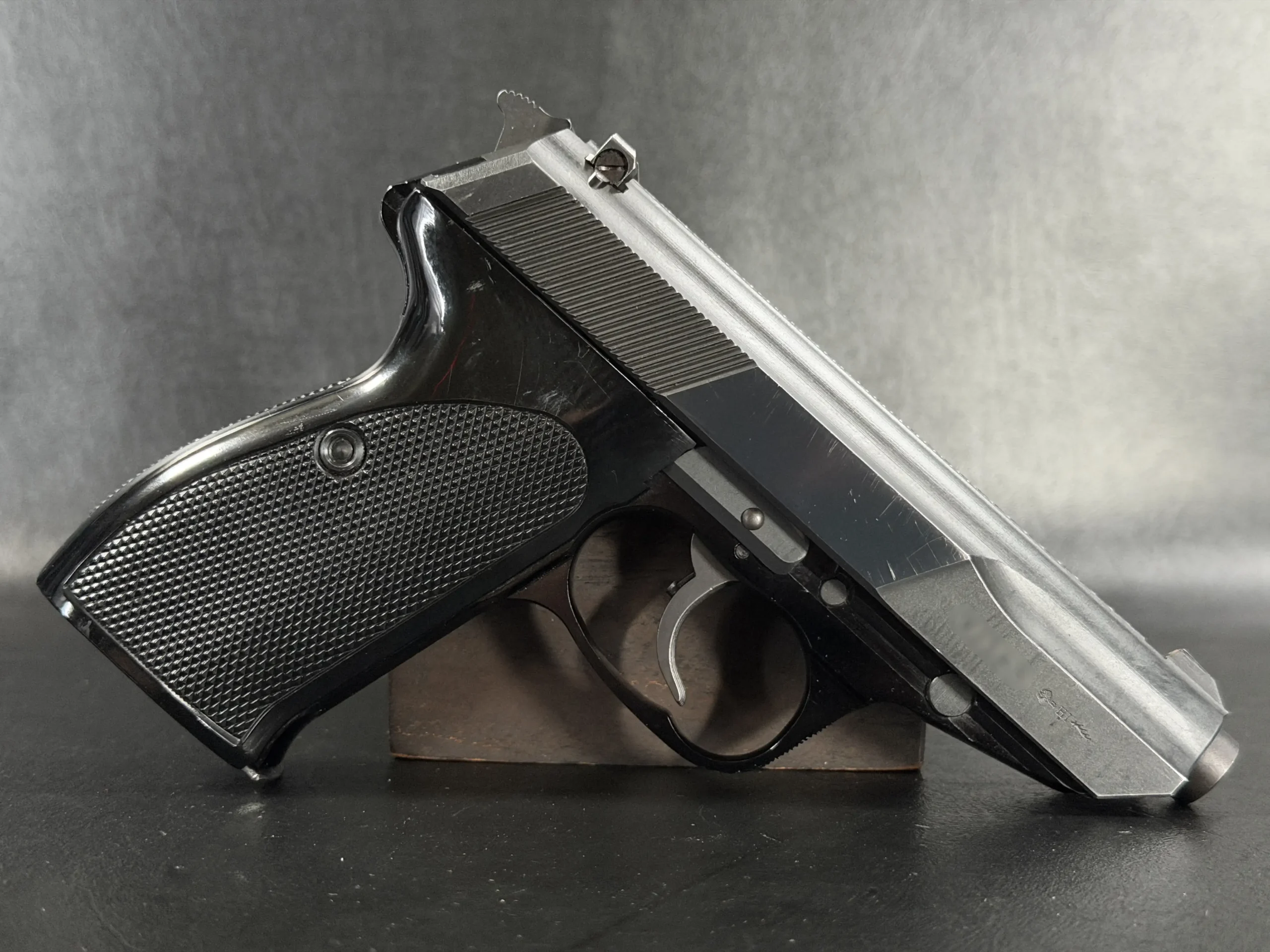
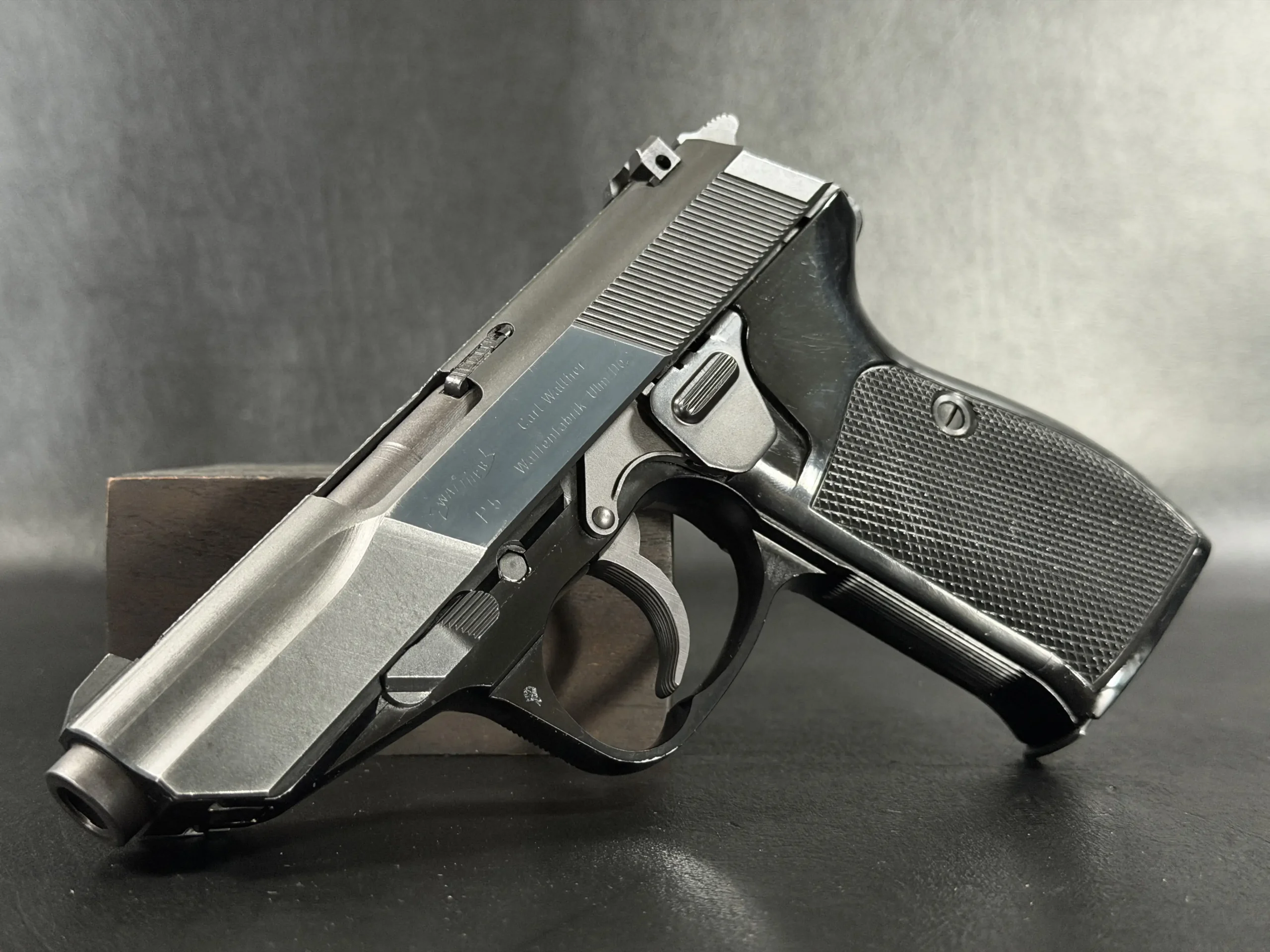
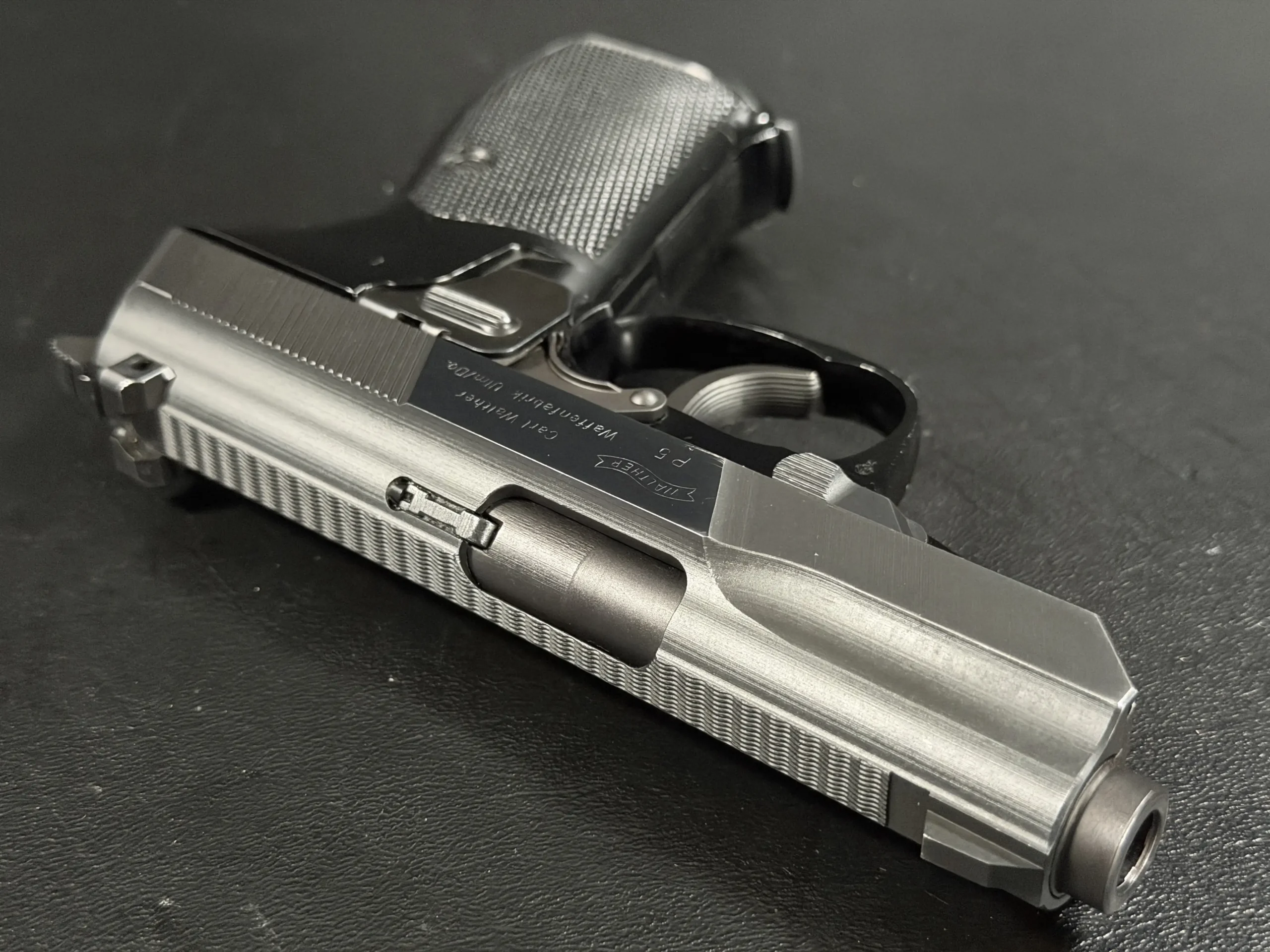
At its core, the P5 retained the locking block system pioneered in the Walther P38, a design that offered exceptional reliability and durability. Walther engineers refined the platform with several important updates, including a shorter slide, improved ergonomics, and a modernized safety and decocking system. One of the P5’s most distinctive characteristics is its left-side ejection port, a unique engineering choice intended to enhance reliability and prevent spent casings from interfering with the shooter.
The pistol itself displays the purposeful, industrial aesthetic typical of Walther’s late-20th-century engineering. The matte finished slide contrasts beautifully with the deep black frame, while the sharply machined contours highlight the precise manufacturing standards for which Walther has long been known. The classic checkered grips and streamlined controls reflect the pistol’s intended role as a refined yet robust service arm.
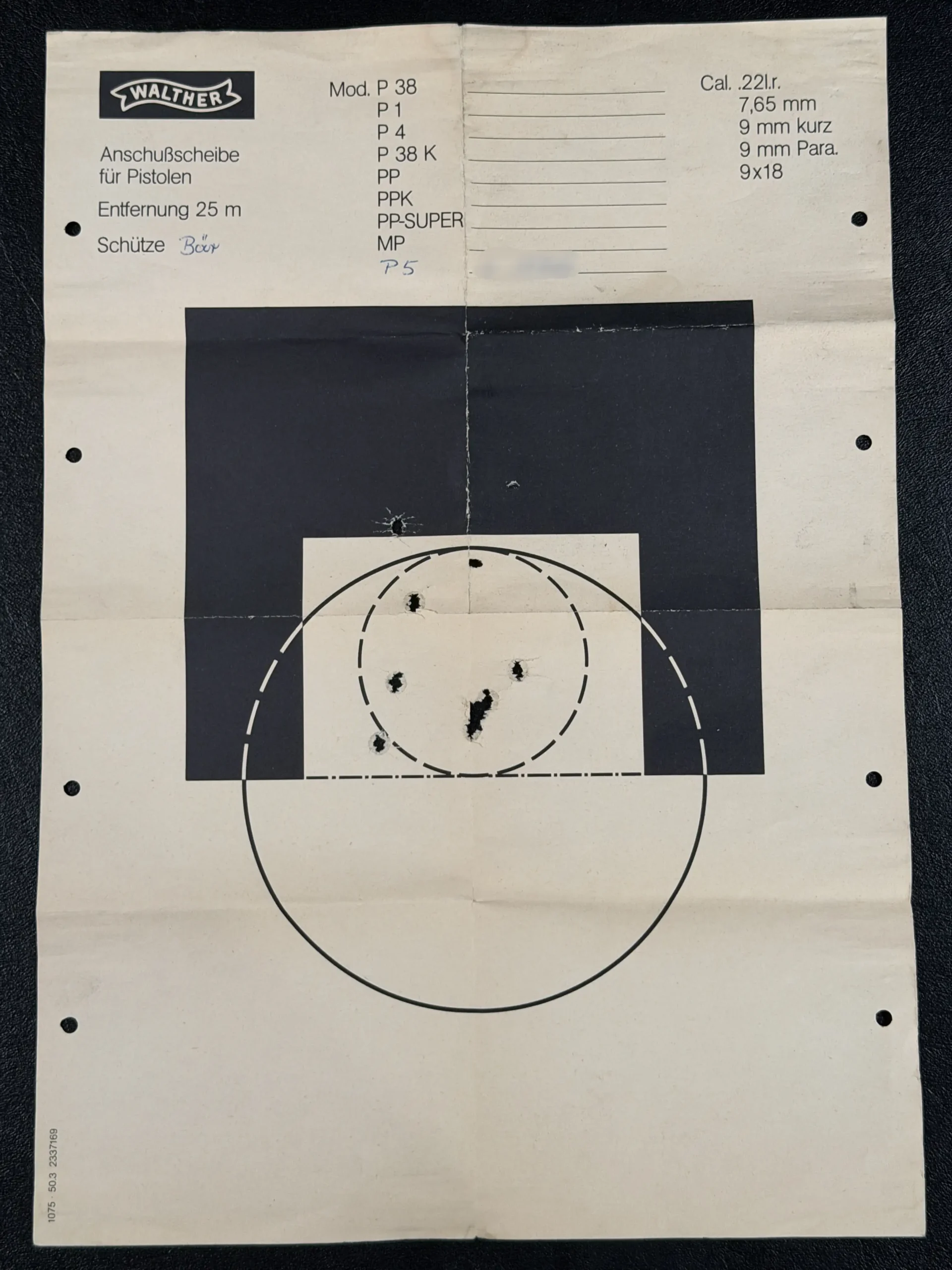
Accompanying the pistol are period accessories and materials, including a Walther P5 manual and factory target, further reinforcing the pistol’s historical and developmental significance. The factory target, marked for 25-meter testing, offers a fascinating glimpse into the pistol’s original evaluation and performance during its early life.
For collectors of Walther firearms, prototype handguns, or historically significant European service pistols, examples like this represent an exceptional opportunity. Prototypes provide insight into the design process of legendary manufacturers and stand apart from standard production pieces due to their rarity and historical importance.
The Walther P5 itself occupies an important place in the company’s lineage, bridging the gap between the legendary P38 and later modern service pistols. Owning a prototype from this developmental period is not simply acquiring a firearm; it is preserving a tangible piece of Walther’s engineering history.
Rarely encountered and deeply significant from both technical and historical standpoints, this Walther P5 Prototype is an outstanding addition to any advanced collection of European service pistols or developmental firearms.