

Description
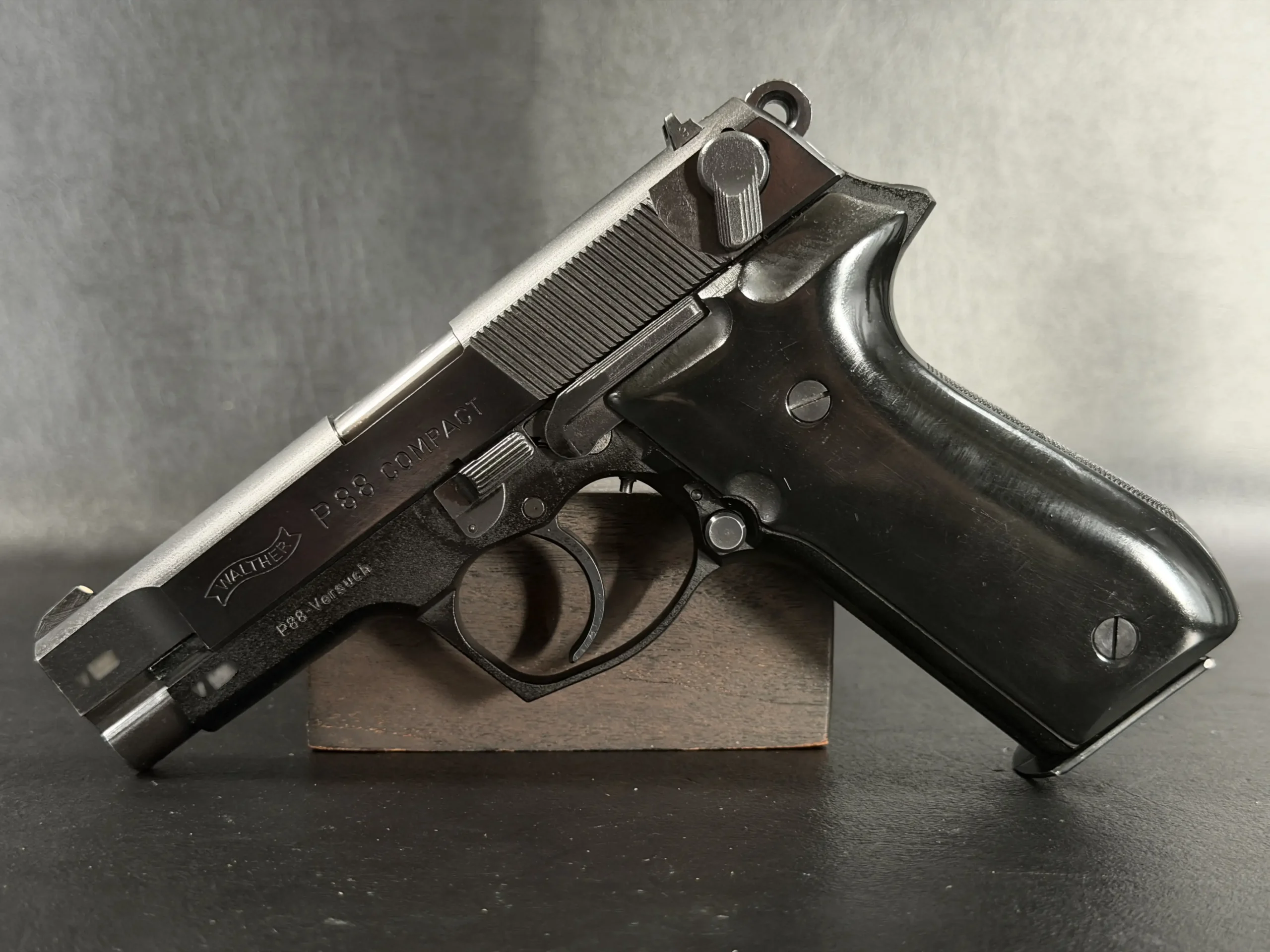
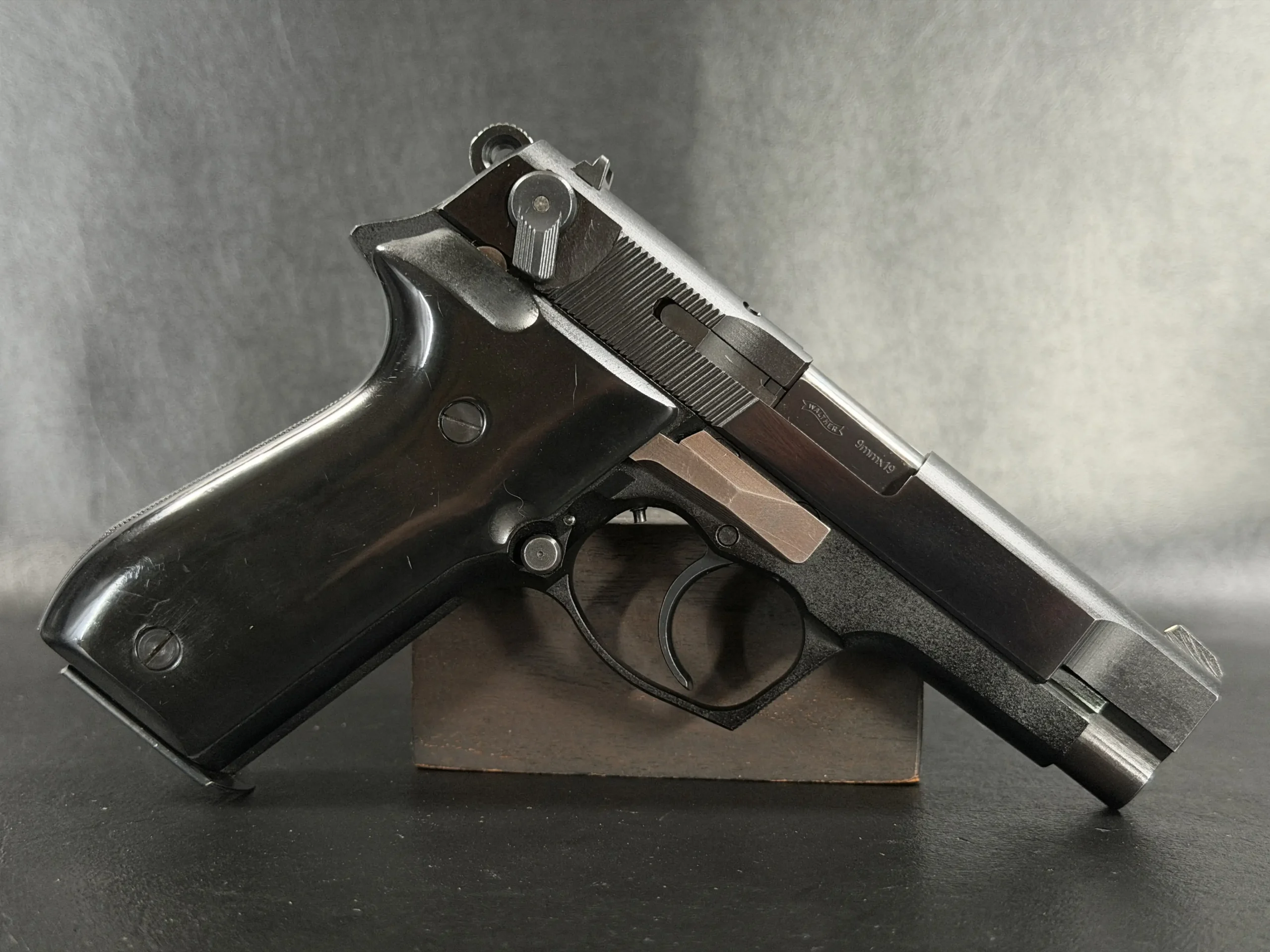
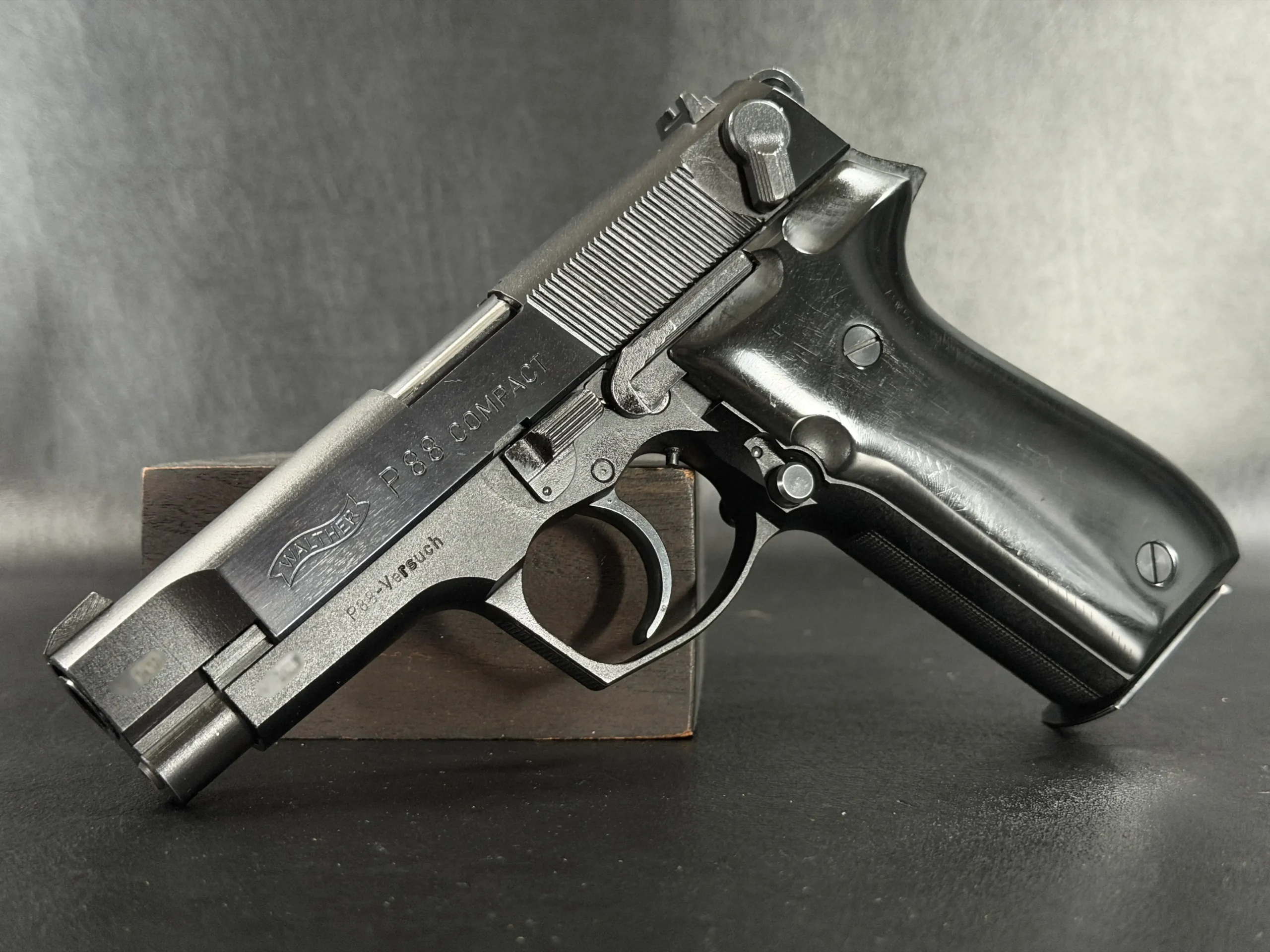
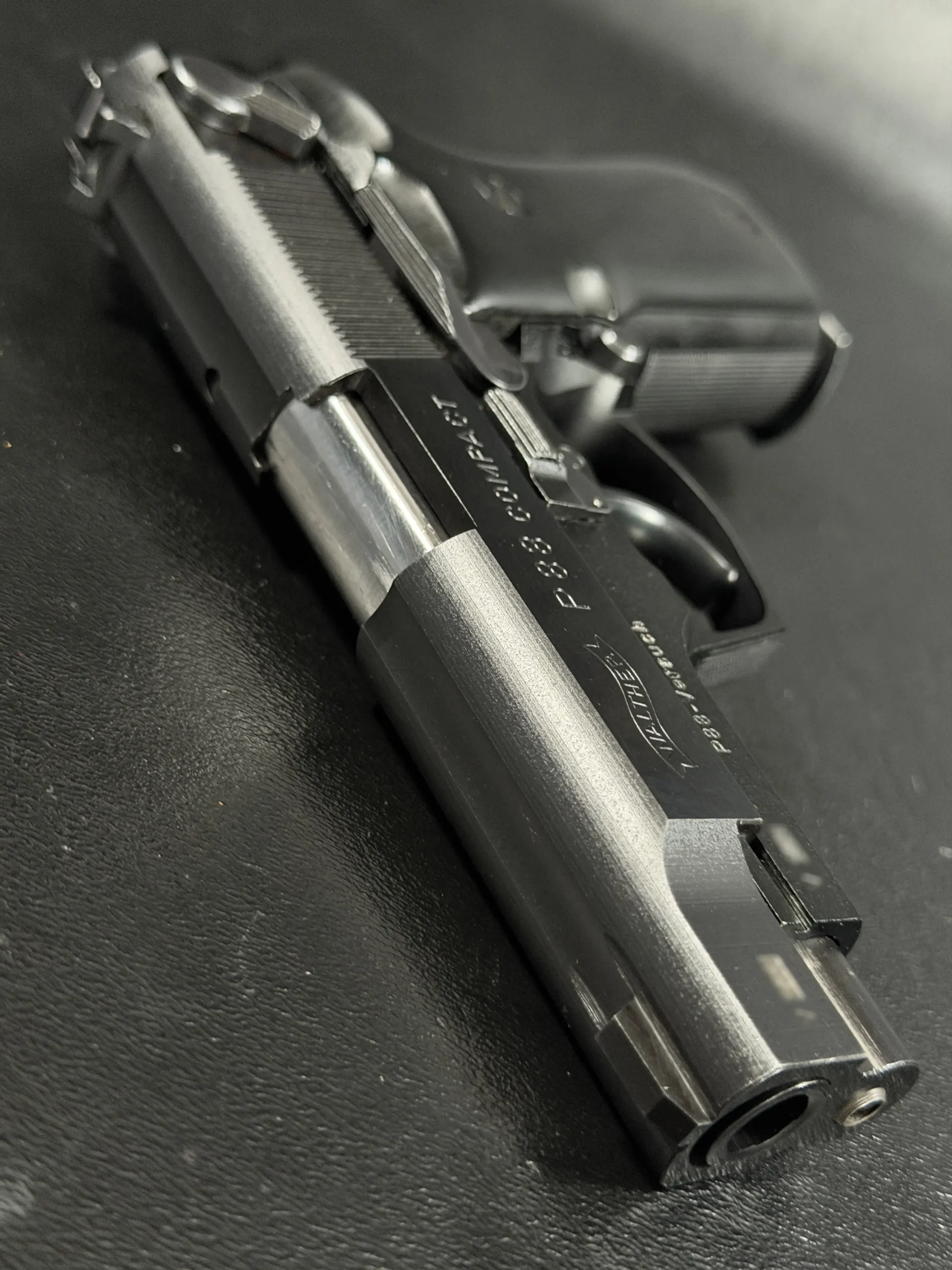
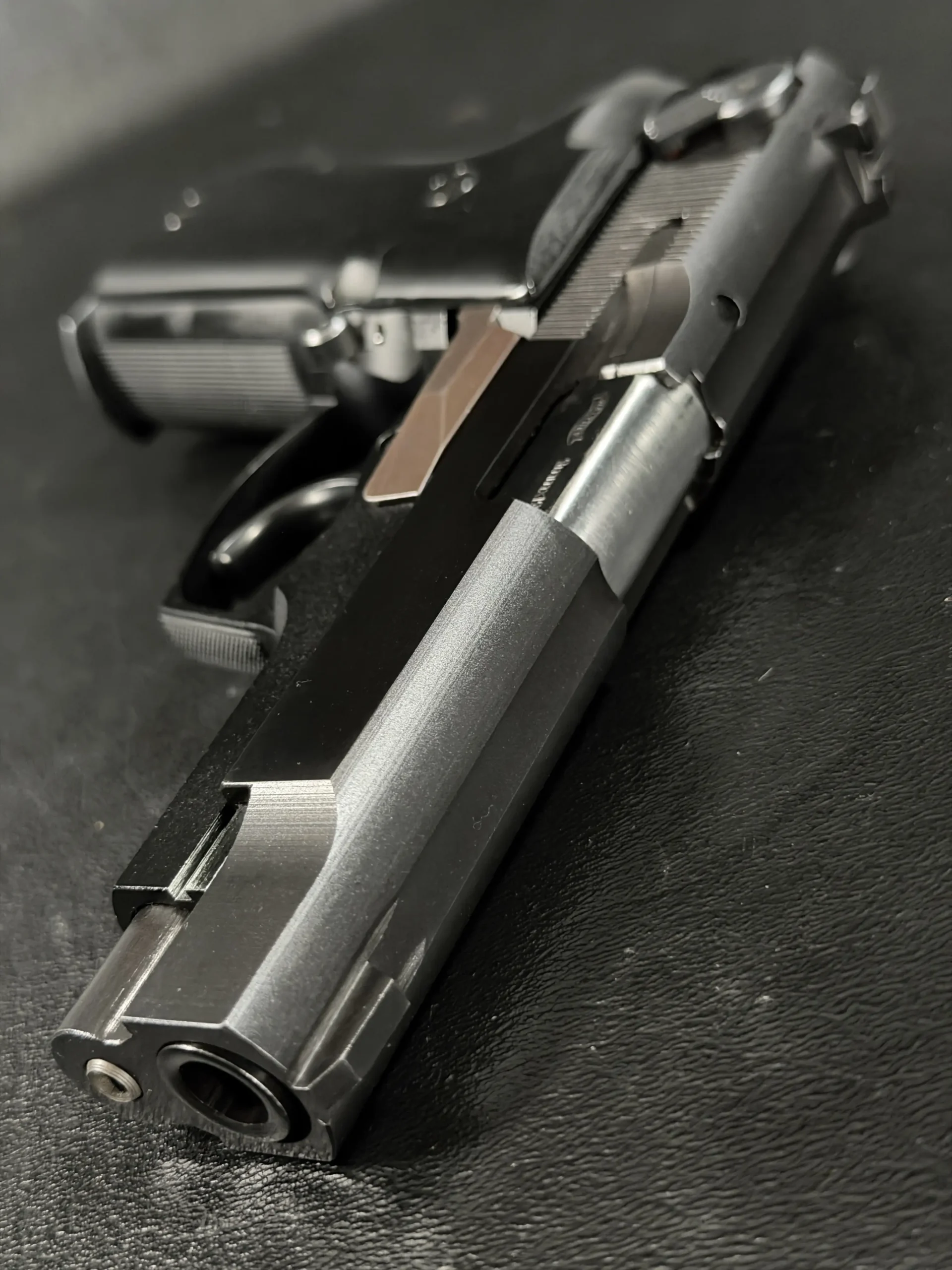
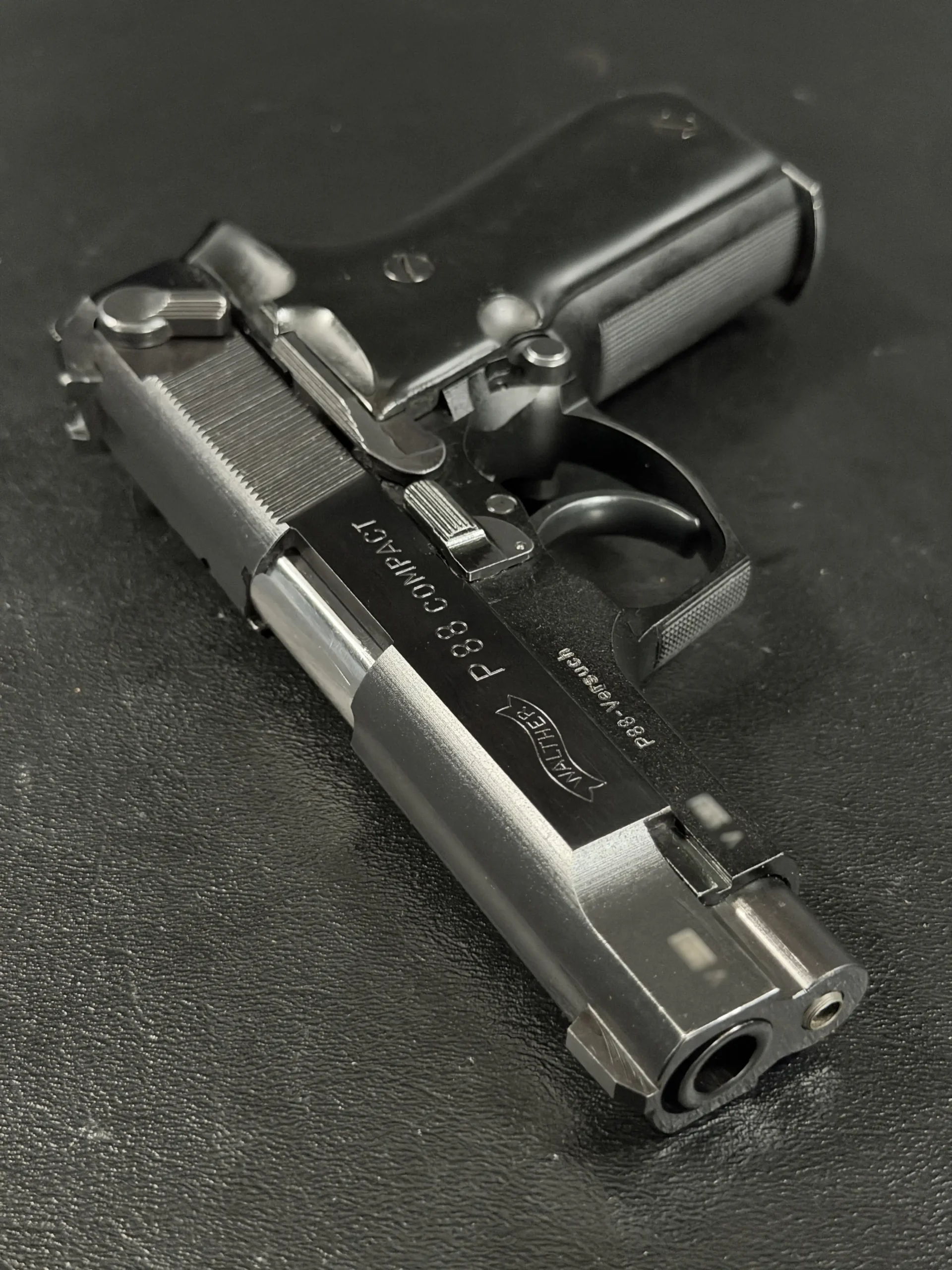
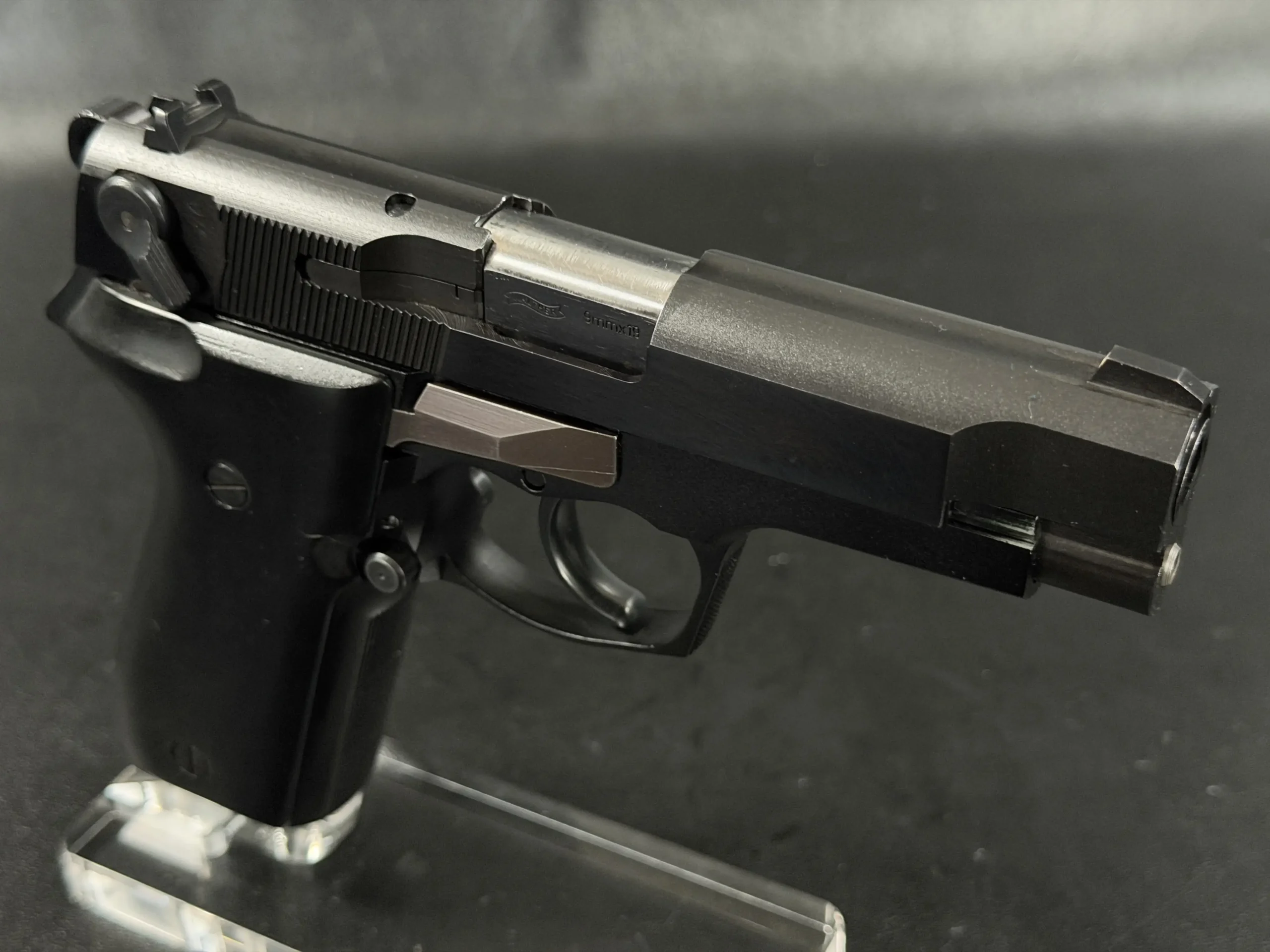
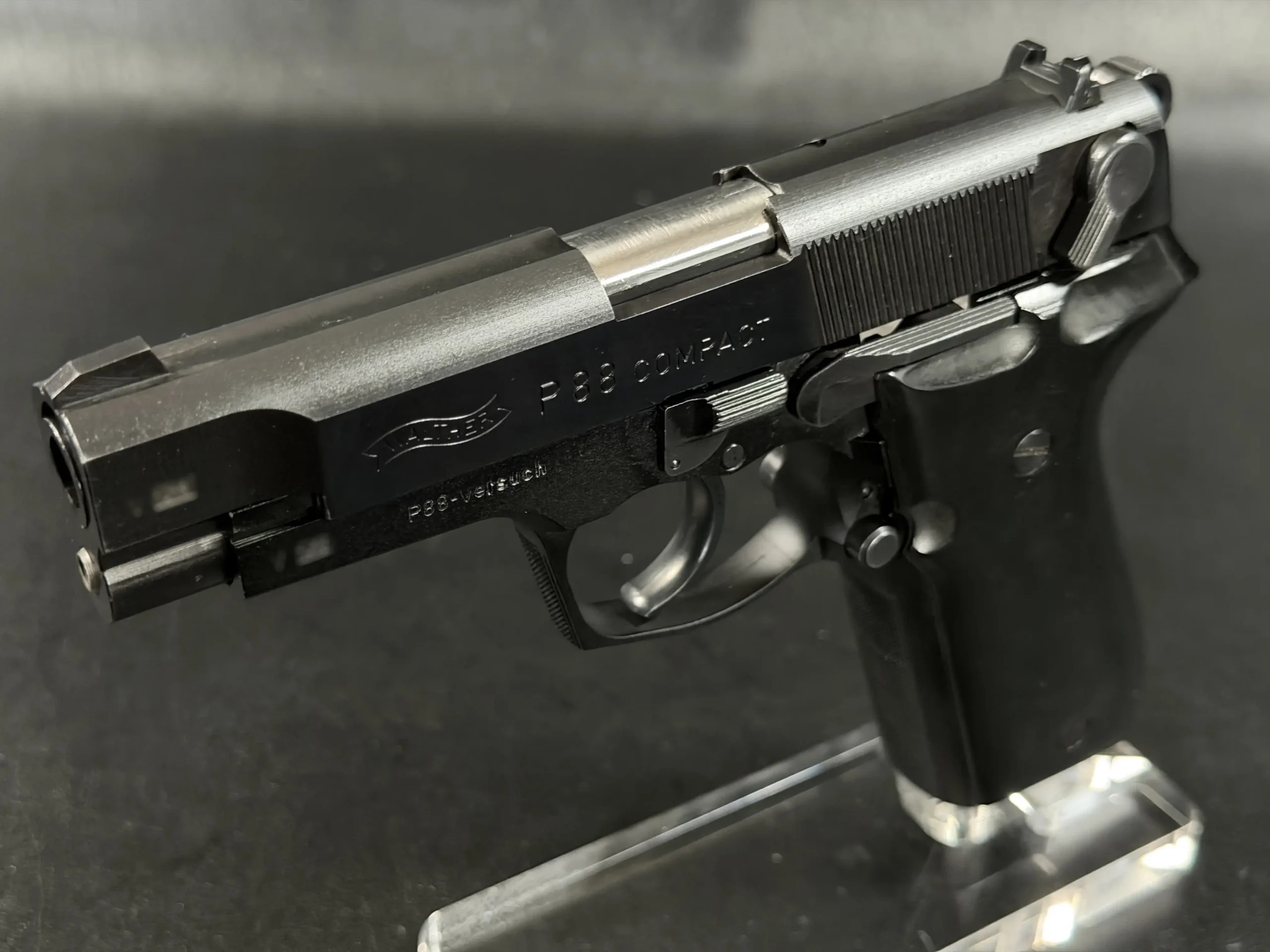
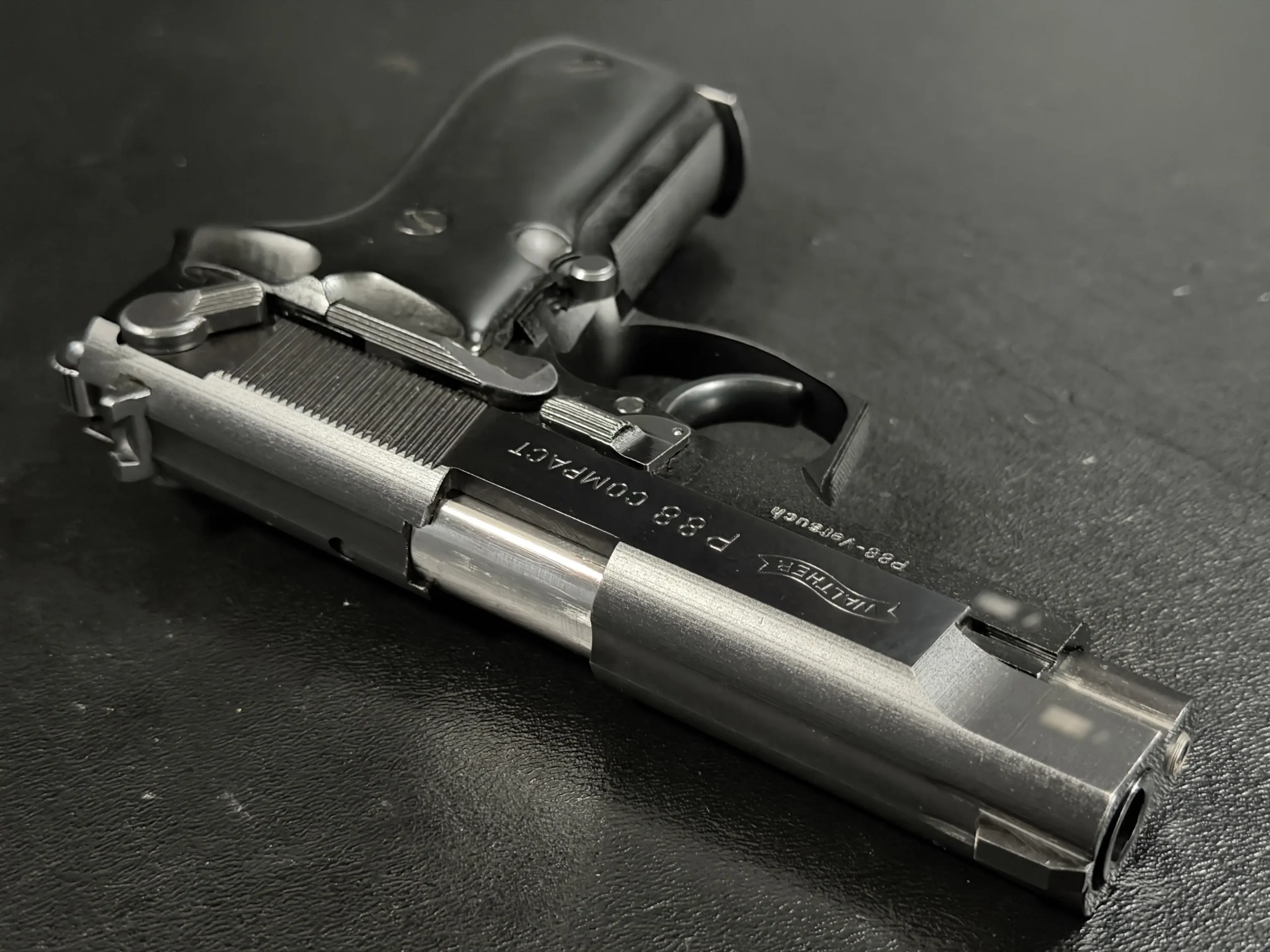
The Walther P88 Compact Prototype represents a fascinating chapter in the evolution of one of Germany’s most technically refined service pistols. Developed during the late stages of the P88 program, the Compact variant was intended to bring the exceptional accuracy and mechanical sophistication of the full-size Walther P88 into a more practical, reduced-dimension platform suited for concealed carry and specialized service roles.
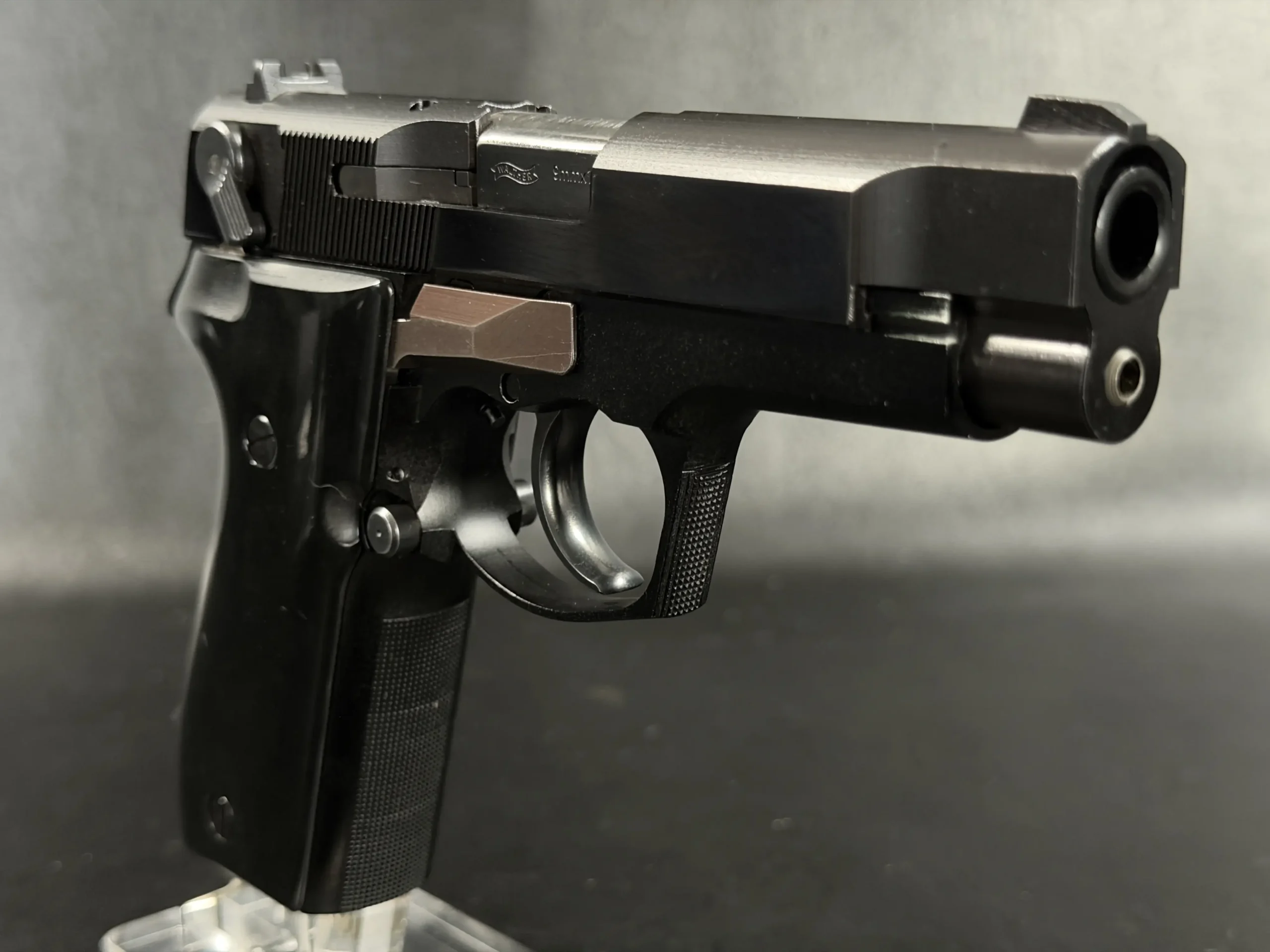
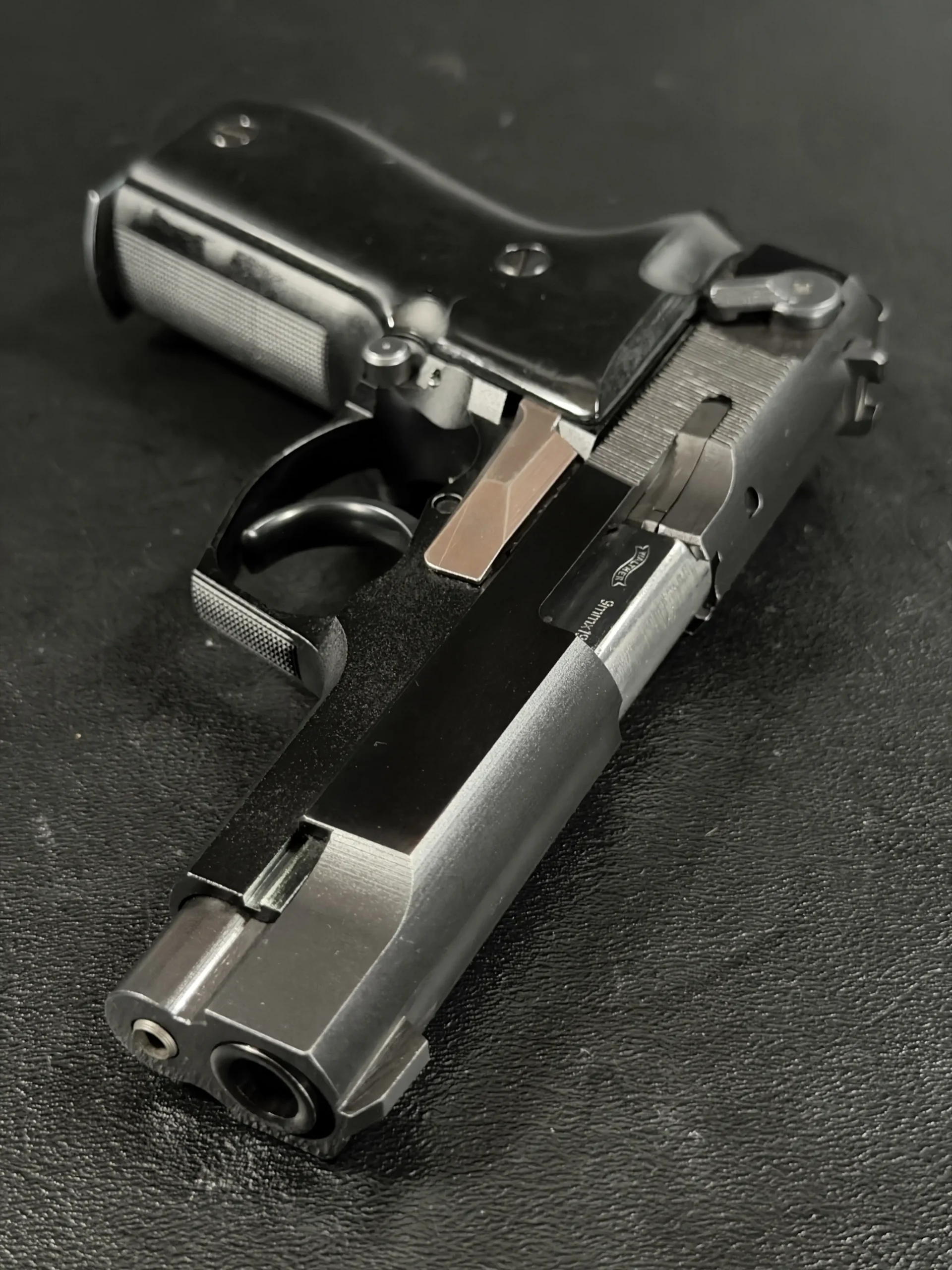
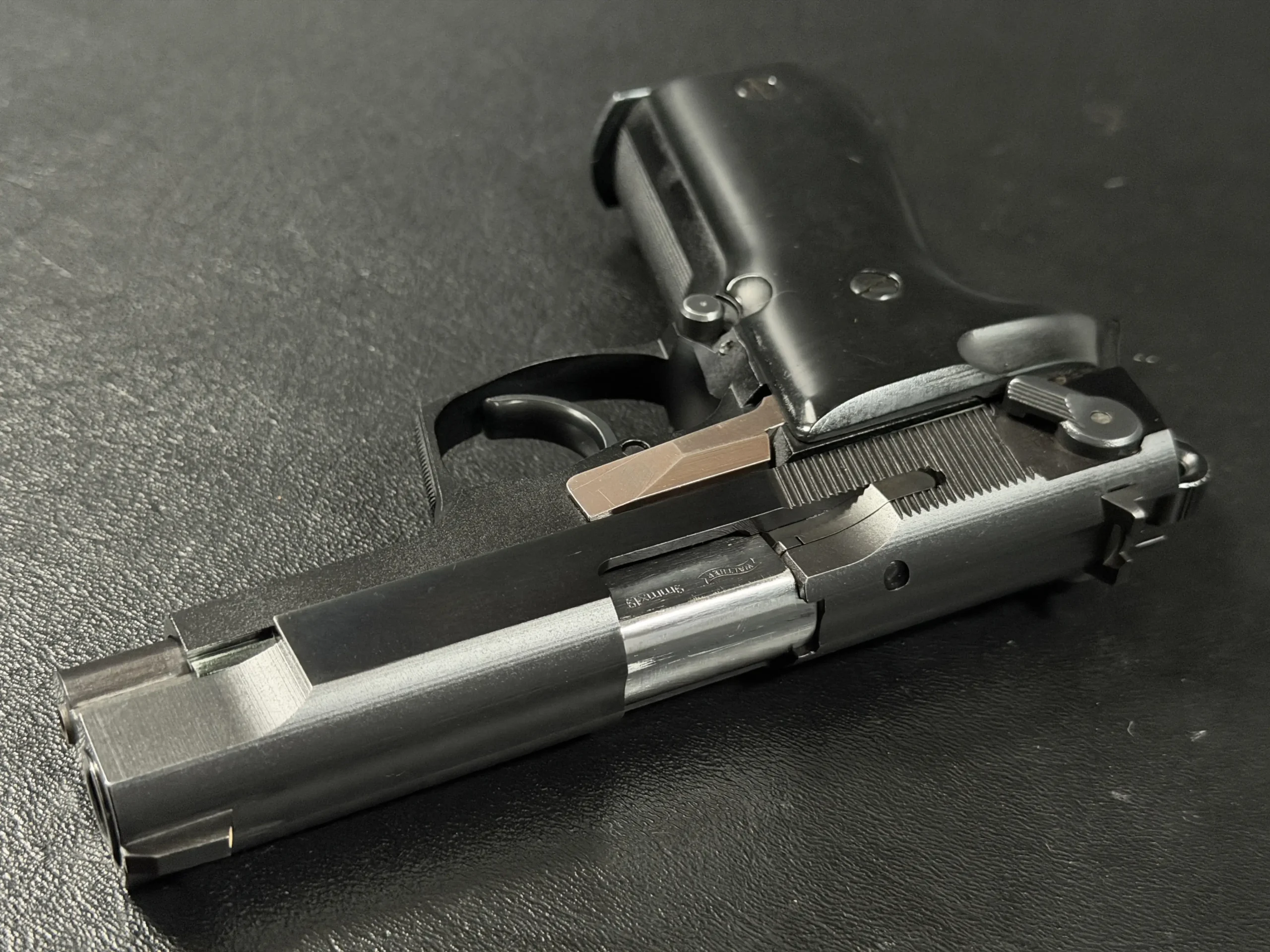
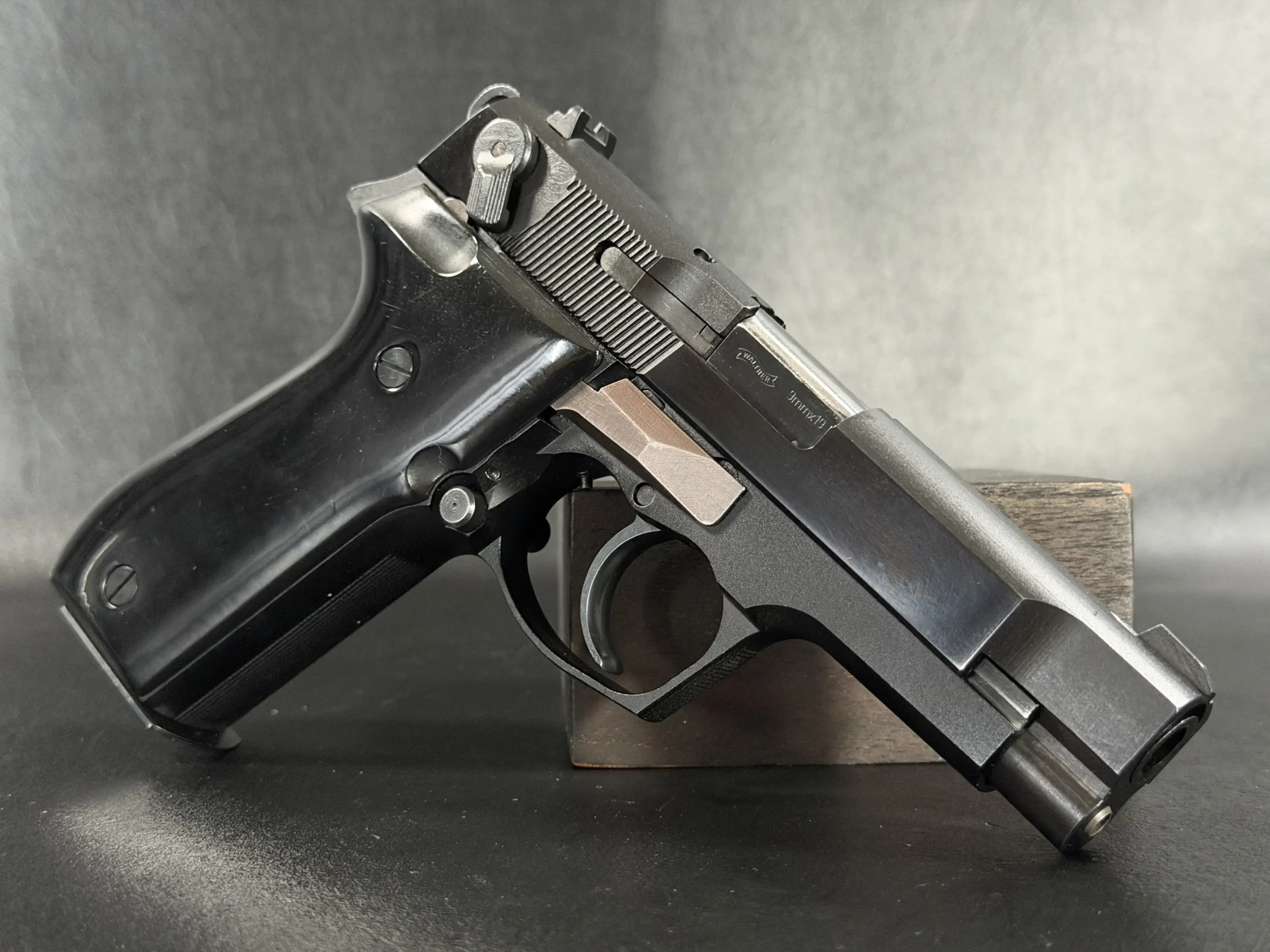
Chambered in 9mm, the P88 Compact retained the core engineering principles that made the original P88 so respected among enthusiasts and professionals alike. Built around a precision-machined alloy frame and a steel slide, the pistol incorporates Walther’s refined double-action/single-action trigger system and an ambidextrous safety/decocker arrangement, features that were considered advanced for their time and reflected Walther’s long tradition of innovative service pistol design.
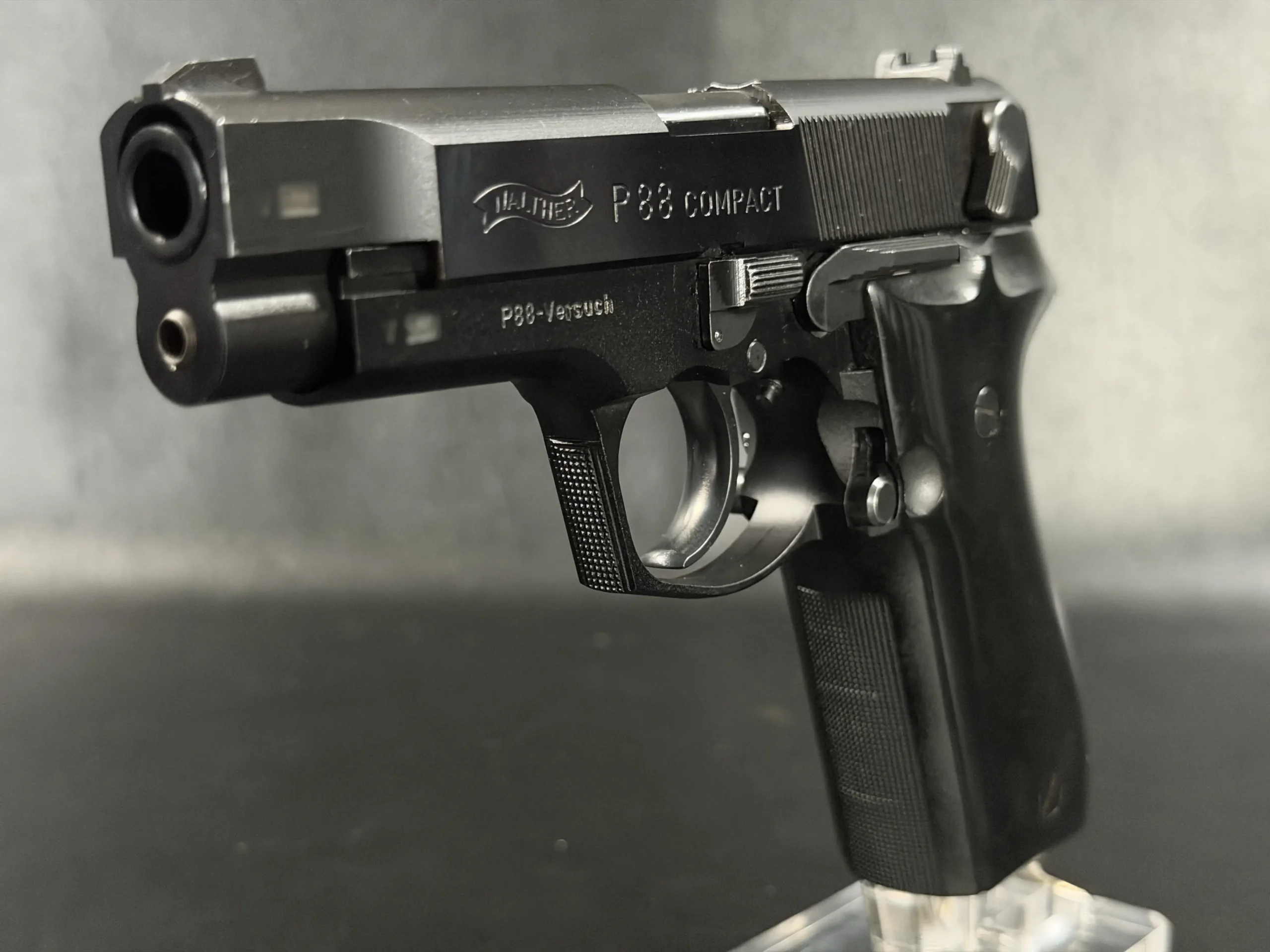
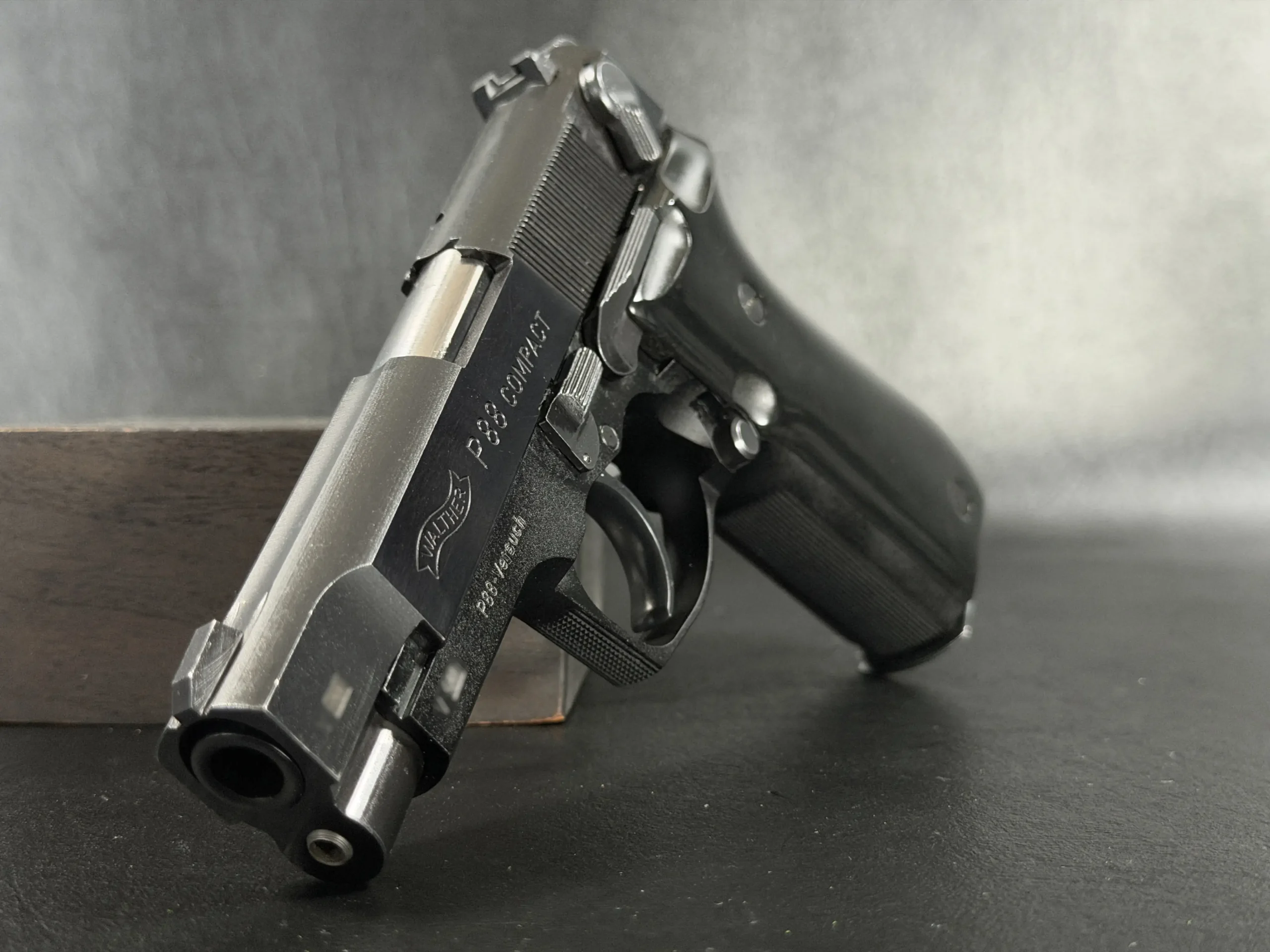
This particular example stands apart as a prototype, representing an early developmental stage of the Compact model before full production refinement. Prototypes from the P88 development program are seldom encountered and offer collectors an important glimpse into Walther’s engineering process during the late Cold War era, when European manufacturers were competing to redefine the modern service pistol.
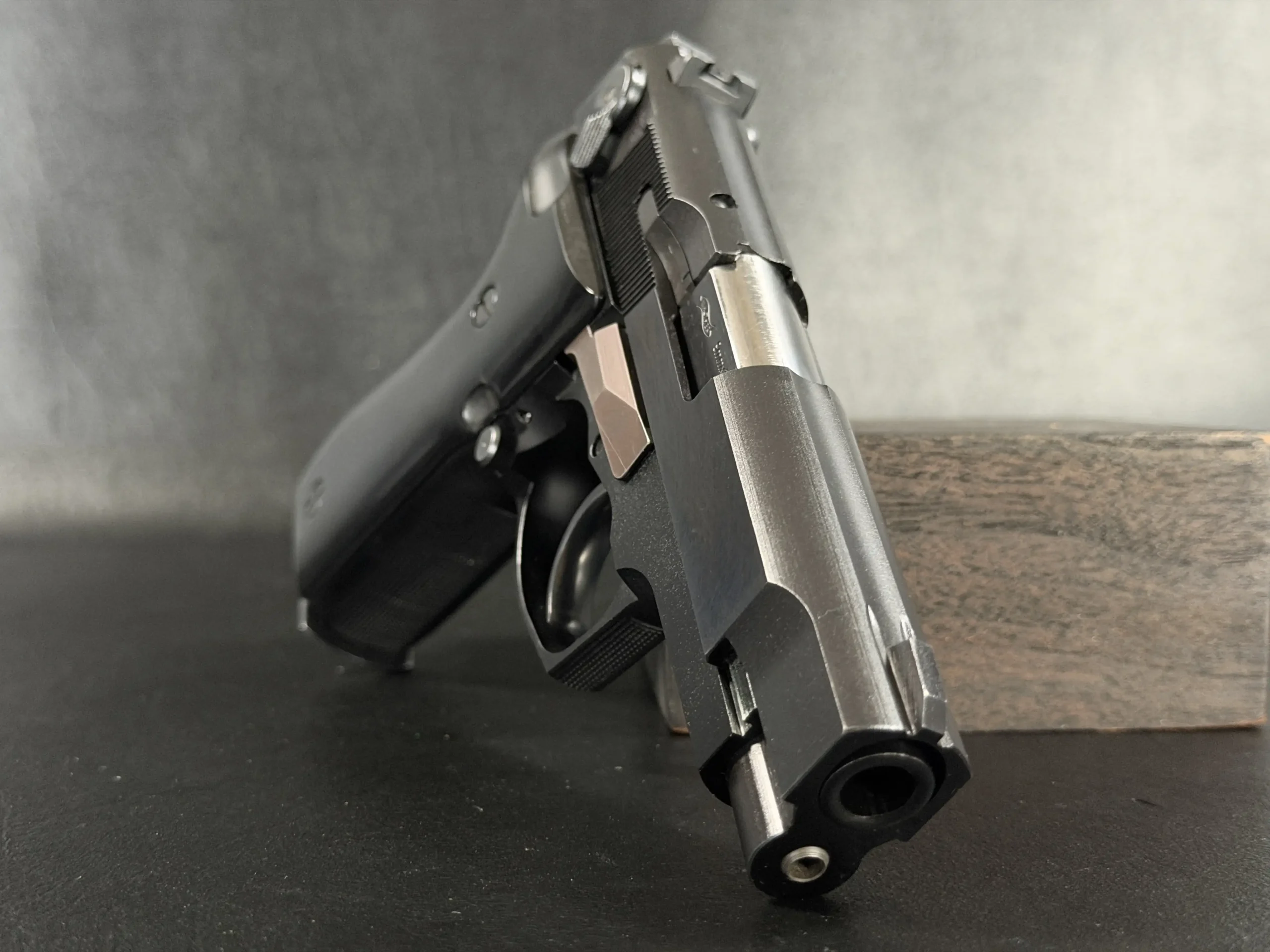
Visually, the pistol displays the distinctive lines of the P88 Compact, including the shortened slide and barrel configuration paired with the ergonomic grip profile that made the P88 series known for its exceptional handling characteristics. The matte black finish, precision machining, and purposeful industrial aesthetic reflect Walther’s emphasis on durability, mechanical precision, and practical performance.
For collectors of prototype firearms, Walther engineering, or rare Cold War-era service pistols, the P88 Compact Prototype represents a compelling and historically meaningful piece. It embodies the transitional period when traditional European pistol craftsmanship merged with modern manufacturing techniques to create what many regard as one of the most technically sophisticated service pistols of its generation.
Today, examples such as this serve not only as functional firearms but also as important artifacts of Walther’s design history, illustrating the development path that ultimately produced one of the most refined compact service pistols of the late twentieth century.