
Key Takeaways:
- 2026 is about refinement, not surprises, and that’s a good thing: If you’re expecting a once-in-a-generation reinvention, you’ll probably be disappointed. But if you appreciate incremental improvement, better finishes, smarter variants, tighter execution, 2026 looks solid. Manufacturers are building on what already works, not gambling on reinvention, and collectors tend to reward that kind of consistency over time.
- The smartest collectors separate what’s confirmed from what’s merely possible: There’s nothing wrong with watching patterns or listening to dealer chatter, but chasing unannounced products is how people overpay or miss better opportunities sitting right in front of them. Knowing what’s real, what’s likely, and what’s just noise keeps your buying decisions grounded and your collection intentional.
- The real value still comes from knowledge, relationships, and patience: Trends come and go, markets move, and prices fluctuate, but the collectors who do best long-term are the ones who show up, ask questions, and learn from others. Whether it’s a regional show, a collector’s association, or a late-night conversation at a table in Tulsa, the human side of collecting is still the biggest advantage you can have.
There’s something electric about the start of a new year in the firearms world. Maybe it’s the buzz from SHOT Show still echoing through dealer networks, or perhaps it’s just that collectors like us can’t help but look ahead to what’s coming next. Either way, 2026 is shaping up to be one of those years where things get interesting.
I’ve been collecting for over two decades now, and I can tell you, the anticipation never gets old. You know what? It’s kind of like being a kid again, waiting to see what manufacturers pull out of their sleeves. And this year? We’ve got some genuine reasons to get excited.
The Big Releases Everyone’s Watching
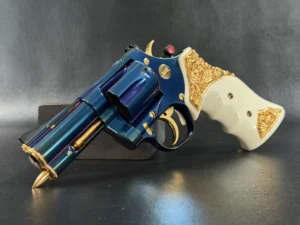
Let’s start with what we actually know. Colt’s blued Python returned recently and has been one of the most prominent collector talking points in the revolver world. It’s been one of the dominant conversation pieces at gun shows, and for good reason, it’s a proper return to form. Now, if Colt does announce a limited variant in 2026, expect it to build on that blued revival with potential variations in finish options, barrel lengths, or special packaging. Nothing official yet, but the pattern is there.
Here’s the thing about Colt releases: they tend to sell out faster than concert tickets to a reunion tour. The company’s been on a roll lately, bringing back classics and actually doing them justice. Remember when they reintroduced the Python in 2020? Collectors went absolutely bonkers. That same energy is building again, even if we’re working with educated guesses rather than press releases.
Springfield Armory continues expanding its 1911 line, and the SHOT Show is typically where we see their special-run or performance-focused variants unveiled. They’ve been methodical about it, not flooding the market, but steadily releasing models that fill specific niches. Recent releases have shown a focus on refinement rather than reinvention, which is precisely what their core audience tends to reward. Whether that’s enhanced triggers, better sights, or upgraded materials, Springfield knows what serious shooters want.
When Classic Meets Modern
Ruger’s steady rollout of the Marlin line continues to mature, and 2026 should bring more of what collectors have been asking for. We’re talking specific caliber options that disappeared when Remington owned the brand, new barrel lengths that make sense for different applications, and furniture or finish variations that appeal to traditional lever-gun enthusiasts.
The 336, 1894, and 1895 variants are returning to regular production, and each offers collectors a chance to either grab a specific configuration they’ve wanted or bet on future collectibility. These are the first true Ruger-era Marlins hitting their stride, and collectors tend to care about moments like that. Ten years from now, that might matter to someone building a comprehensive Marlin collection.
Lever guns have this timeless appeal, don’t they? Something about working that action feels right, even in an age of polymer and tactical rails. Ruger’s also been hinting at reimagining some of their vintage designs with modern manufacturing techniques. Old-school aesthetics with new-school reliability and precision. It’s like putting a vintage radio in a Tesla, keeping what we loved about the past while embracing what works better today.
CZ-USA keeps the momentum going with their Shadow 2 variants and limited editions. They’ve established a pattern of releasing special versions that build on Shadow 2’s dominance in competitive shooting. Whether that continues through factory editions or high-end collaborations remains to be seen, but the trajectory is clear. For those of us who appreciate firearms as functional art, CZ understands the assignment.
The Shows You Can’t Miss
Let’s talk events, because honestly, half the fun of this hobby is getting together with fellow collectors and seeing everything in person. SHOT Show in Las Vegas remains the Super Bowl of firearms industry events, scheduled for late January. If you’re in the industry or have dealer connections, this is where you’ll see everything first. The energy at SHOT is unmatched, thousands of exhibitors, new product launches, and networking opportunities that can lead to those hard-to-find pieces down the road.
But here’s something a lot of newer collectors don’t realize: SHOT Show is industry-only. For the rest of us, the NRA Annual Meetings & Exhibits is where it’s at. The 2026 show is heading to Houston, April 16-19, and it’s shaping up to be massive. We’re talking acres of exhibits, custom gun builders, historical displays, and the kind of wheeling and dealing that makes collecting so addictive.
The Tulsa Arms Show remains a favorite among serious collectors. Multiple shows throughout the year mean you’ve got several chances to hunt for that elusive piece to complete your collection. There’s something special about smaller regional shows, too. Less overwhelming than the mega-events, more opportunities for actual conversations with sellers. I’ve found some of my best acquisitions at these shows, often from collectors who are downsizing or refocusing their collections.
What’s Actually Confirmed and What’s Still Speculation
Let me be straight with you about what we know versus what we’re hoping for. It helps to separate the two. Doing that protects you from chasing vaporware and keeps your buying decisions grounded.
Verified going into 2026:
- NRA Annual Meeting: Houston, April 16-19, 2026
- Tulsa Arms Show continues on its regular schedule
- SHOT Show in late January, Las Vegas
- Ruger’s continued Marlin variant rollout
Watchlist (speculation until officially announced):
- Any true limited Python variant beyond existing blue and finish runs
- Springfield’s next 1911 special-run direction
- CZ’s next Shadow 2 special edition theme
- Specific new product launches from major manufacturers
The thing is, manufacturers hold their cards close until they’re ready to show them. That’s just innovative business. But tracking patterns, paying attention to what sells, and listening to dealer chatter gives you a decent roadmap of possibilities.
What’s Trending in Collecting Right Now
Okay, so here’s where things get really interesting. The collecting landscape is shifting in ways that would’ve seemed odd just five years ago. Military surplus firearms, particularly those from World War II and earlier, continue to climb in both value and desirability. But the supply is obviously finite, which creates this weird tension in the market.
You’ve got younger collectors entering the scene who missed out on the days when Mosin-Nagants were hundred-dollar beater rifles. Now? Those same guns can command serious money if they’re in good condition with matching numbers. It’s basic economics, but it still stings a bit if you remember the “old days.”
What’s catching fire, though, and I mean really taking off, is the interest in firearms from the 1980s and 1990s. Guns that were just “used guns” a decade ago are suddenly collectible. First-generation Glock 17s? People are hunting for those. Early SIG P226s? Same story. It’s that weird generational thing where items from your youth suddenly become vintage and desirable.
Here’s my theory, and you can take it or leave it: nostalgia drives collecting more than we’d like to admit. Those of us who grew up seeing certain firearms in movies, video games, or magazines have a soft spot for them. When we finally have the means to acquire them, we do. And when enough people want the same thing, prices move accordingly.
The Custom and Boutique Scene
The custom firearms market is absolutely exploding right now, and 2026 looks to be a banner year for high-end builders. Companies like Nighthawk Custom, Wilson Combat, and Les Baer continue pushing the boundaries of what’s possible with 1911s and AR platforms. We’re seeing build quality and attention to detail that would’ve been unthinkable at these price points twenty years ago.
But it’s not just about the established names. Small custom shops are popping up, often run by former military armorers or competitive shooters who’ve decided to hang their own shingle. These builders are doing incredible work—truly bespoke firearms tailored to individual preferences. Yeah, you’ll pay for it, but you’re getting something unique. It’s the difference between a custom-tailored suit and off-the-rack, you know?
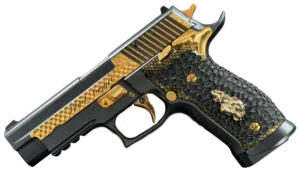
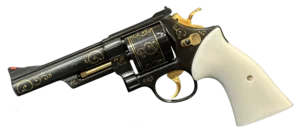
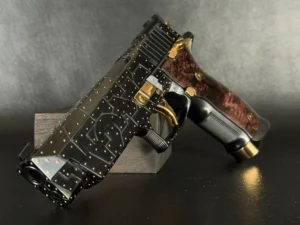
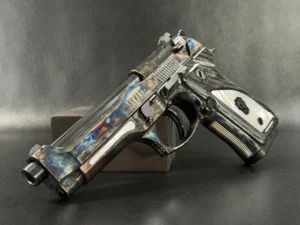
There’s also this growing appreciation for engraving and artistic metalwork. Master engravers like Alain Lovenberg helped set a standard that continues to inspire a new generation. Collectors are commissioning elaborate scrollwork, wildlife scenes, and historical motifs on everything from revolvers to bolt-action rifles. A well-engraved firearm isn’t just a tool anymore; it’s a statement piece, an heirloom in the making. This trend aligns well with manufacturers offering higher-grade models that provide better canvases for custom work.
Technology’s Changing the Game
Let me touch on something that might ruffle some traditionalist feathers: technology is changing how we collect, and not everyone’s happy about it. Online auctions through platforms like GunBroker and Rock Island Auction Company have democratized access to rare firearms. You can now bid on a pre-war Colt from your couch instead of having to attend an auction physically.
Is this good or bad? Honestly, it depends on who you ask. The convenience is undeniable; I’ve acquired pieces I never would’ve found locally. But there’s something lost when you can’t handle a firearm before buying it. You’re relying on photos, descriptions, and the seller’s honesty. It’s a gamble, even with buyer protections in place.
Better photography, better documentation, and better reference communities are making verification easier than it used to be. But here’s the catch: more sophisticated fakes and misrepresentations are keeping pace. Knowing your serial number ranges, understanding proof marks, and being part of collector communities that share knowledge matter more than ever. Digital databases tracking production dates and known variations help, but they’re only as good as the information fed into them.
Some collectors are getting serious about documentation, using detailed photography and provenance records to establish authenticity and history. It’s not quite 3D scanning and laser measurement, which exists but remains pretty niche, but it’s more rigorous than the old days of handshake deals and gut instinct.
The Investment Angle (But Don’t Get Too Excited)
Look, we need to address the investment issue because it keeps coming up. Should you collect firearms as an investment? My answer is always the same: collect what you love, and if it appreciates, that’s a bonus. Buying guns solely for investment purposes is risky business.
That said, specific categories have shown consistent appreciation. Pre-1964 Winchester Model 70s keep climbing. High-condition Colt Single Action Armies have rewarded long-term owners exceptionally well. Quality German sporting rifles from makers like Sauer and Merkel hold their value remarkably well.
But here’s the reality check: storage costs, insurance, and the market’s illiquidity eat into returns. You can’t just dump a valuable firearms collection on short notice without taking a bath on prices. It’s not stocks or bonds. Factor in inflation, and some collections barely break even over time.
What 2026 Means for Different Collecting Niches
Military firearms collectors are facing an interesting year. The Civilian Marksmanship Program still has M1 Garands available, though the grade and price spectrum keeps shifting. If you’ve been on the fence about getting one, 2026 might be your year to jump in. Supply isn’t infinite, despite what some people think.
Cowboy action shooting continues to drive demand for replica and original Old West firearms. Companies like Uberti and Cimarron keep expanding their offerings, giving collectors more options at various price points. The cool thing about this niche is that you can actually shoot these firearms in competition while building a collection. It’s practical and collectible at the same time.
For modern sporting rifles, the AR-15 platform and its variants, innovation hasn’t slowed down. We’re seeing more manufacturers experimenting with different calibers, piston systems, and modular designs. Collectors focusing on this category have almost too many options, which is a good problem to have.
The Shows Within the Shows
Here’s something casual collectors might not know: some of the best deals and finds happen at the smaller, more specialized shows. The Ohio Gun Collector’s Association shows are legendary for bringing out rare pieces. Same with the Texas Gun Collector’s Association events. These aren’t tourist destinations; they’re working shows where serious collectors come to buy, sell, and trade.
Regional machine gun shoots and collector meets, focused on NFA firearms, often feature collector’s tables with jaw-dropping pieces. The Big Sandy Shoot in Arizona continues to draw crowds, and events like these aren’t just about burning through ammo, though that’s admittedly fun. They’re gathering places where connections get made, and collections change hands. Various regional shoots and collector-focused gatherings pop up throughout the year, each with its own character and regular attendees.
What to Actually Expect This Year
Being realistic for a moment: 2026 isn’t going to be radically different from 2025 in most ways. Evolution, not revolution, is the name of the game in firearms manufacturing. Companies move slowly because they have to, retooling is expensive, and rushing products leads to recalls and reputation damage.
What you can expect is refinement. Better triggers on production guns. Improved coatings and finishes. Maybe some caliber options that fill market gaps. Manufacturers are listening to what people want, and they’re delivering incrementally better products year over year.
The collector’s market will stay strong because it always does. Economic uncertainty actually tends to drive firearms purchases, weird as that sounds. People view guns as tangible assets that hold value, and historical patterns support that belief.
The Community Aspect
I’ve saved this for near the end because it’s genuinely essential. The firearms collecting community is one of the most welcoming groups you’ll encounter. Local gun shows, online forums, and collectors’ clubs are full of people eager to share knowledge. New collectors shouldn’t be intimidated; everyone started somewhere.
That mentorship element matters. I learned more from sitting in someone’s living room looking at their collection than I ever did from books. Stories behind the guns, tips on authentication, warnings about reproductions, that institutional knowledge gets passed down through conversations and relationships.
Social media has connected collectors worldwide. Facebook groups dedicated to specific manufacturers or firearm types facilitate trades and the sharing of information. YouTube channels run by knowledgeable collectors provide free education on everything from disassembly to valuation. The resources available today would’ve blown my mind twenty years ago.
Wrapping This Up
So what’s the bottom line for 2026? Stay informed, keep your eyes open, and don’t be afraid to pull the trigger, literally or figuratively, when opportunity knocks. The firearms you wish you’d bought ten years ago? Someone else is thinking the same thing about today’s market in 2036.
Attend shows when you can. Handle firearms before buying whenever possible. Build relationships with reputable dealers. Please do your research on anything that seems too good to be true, because it probably is.
Most importantly, enjoy the process. Collecting should be fun, not stressful. Whether you’re chasing rare variations of military surplus rifles or building the ultimate custom 1911, make sure you’re doing it for the right reasons. The best collections are built with passion, not just a profit motive.
2026 is going to be a good year for this hobby. New products will drop, old favorites will keep climbing in value, and somewhere out there, a pristine example of something you’ve been hunting for years is waiting at a gun show table. Happy collecting, and maybe I’ll see you in Houston in April, or in Tulsa with coffee in hand and a list of serial ranges scribbled in the margins.
Frequently Asked Questions
It’s a perfectly reasonable time to start, as long as expectations are realistic. Some categories are more expensive than they were a decade ago, but that’s true of most mature collectible markets. The key is to start slowly, learn the landscape, and buy with intention rather than urgency. There are still plenty of solid entry points if you’re patient and informed.
New firearms can absolutely be collectible, but not all of them will be. What tends to matter over time is context: first runs, transitional models, limited variants, or guns tied to a specific moment in a manufacturer’s history. Age alone doesn’t create value; significance does.
Waiting can make sense if you’re tracking a clearly established pattern, but chasing rumors is usually a mistake. Manufacturers don’t reward patience the way collectors hope they will. In many cases, the better move is to buy a well-documented, high-quality example that already exists rather than holding out for something that may never materialize.
They can hold value, and some categories have appreciated very well, but firearms are not liquid assets. Storage, insurance, and time all factor into real returns. If appreciation happens, it should be a bonus, not the sole reason you bought the piece in the first place.
Yes, arguably more than ever. Online platforms are great for access, but shows are where you build relationships, see conditions firsthand, and learn nuances you won’t find in listings. Many of the best deals and most essential lessons still happen face to face.