
Key Takeaways:
- Single-Action vs. Double-Action Isn’t Just Technical Jargon: Here’s the deal: single-action revolvers make you cock the hammer manually, which gives you a lighter trigger pull and better precision. Great for target shooting. Double-action revolvers let you pull the trigger and fire in one motion, which is faster and honestly better for self-defense when things get intense. Your choice should match what you’re actually going to do with the gun, not just what sounds cool.
- The Specs Matter More Than You Think: Caliber, barrel length, and grip design aren’t just numbers on a spec sheet. They affect everything from how much recoil you’ll deal with to how accurate you’ll be at different ranges. A .22 Long Rifle is perfect for beginners (low recoil, cheap ammo), while a .44 Magnum packs serious power but demands respect and practice. Barrel length changes maneuverability versus accuracy. And if the grip doesn’t fit your hand right? You’ll know it after the first few shots. Don’t ignore these details.
- Try Before You Commit (And Know Your Budget): Look, revolvers range from affordable and reliable to premium works of art. More expensive doesn’t always mean better for your specific needs. Smith & Wesson, Ruger, and Colt all have solid reputations, but what matters is how the gun feels in your hand and whether it does what you need it to do. If you can, test different models at a range before buying. That hands-on experience beats reading reviews every time.
Let’s get started…
Look, I get it. You’re standing in a gun shop or scrolling through listings online, and there are about a thousand revolvers staring back at you. Each one’s got its own thing going on, and honestly? It can feel overwhelming.
Whether you’re already deep into firearms, just starting out, or maybe you’re a history teacher trying to get the facts straight for your students, understanding what makes a revolver tick is pretty important. It helps you make better choices, shoot with more confidence, and if you’re teaching, well, you’ll actually know what you’re talking about.
Here’s the thing about revolvers. They’ve been around forever, and they’re not going anywhere. That classic design? Still works. That reliable mechanism? Still doing its job. There’s a reason both professionals and weekend shooters keep coming back to them.
But what actually makes a good modern revolver?
The answer’s not simple. You’ve got to look at the specs, sure, but also the features that make each gun unique. Everything from how it fires to what caliber it uses, the barrel length, and how it sits in your hand. All of it matters when you’re trying to figure out which revolver fits you.
And then there’s money. Revolvers aren’t all priced the same (not even close), and prices jump around depending on who made it, which model it is, and what bells and whistles it’s got. Knowing what affects the price helps you find something that works for your wallet and still does what you need.
So here’s what we’re going to do. We’ll dig into modern revolvers, trace where they came from, break down their parts, and talk about what you should think about when you’re choosing one. We’ll compare types, discuss what people use them for, and I’ll throw in some maintenance and safety tips.
Whether you’re hunting for a six-shooter to buy, curious about what’s new on the market, or just fascinated by the history of these guns, I’ve got you covered.
Let’s jump in.
Understanding What a Modern Revolver Actually Is
Modern revolvers are kind of fascinating when you think about it. They’re this weird blend of old-school tradition and new technology. The classic stuff is still there, but manufacturers have been tweaking and improving it with contemporary materials and techniques.
Revolvers have changed a lot over time. Early on, they were basic, single-action deals. Now? You’ve got options. Different types, different sizes, built for different jobs.
At the heart of every revolver are its core components. The frame, cylinder, and barrel are the big three. How these parts are designed and built determines how the gun performs and feels in your hand.
How We Got Here (The Evolution Part)
Revolvers began appearing in the early 1800s. Since then, they’ve been through some serious upgrades. Those early models were crafted by hand with pretty limited tools. Labor-intensive doesn’t even begin to describe it.
Fast forward to now, and revolvers benefit from manufacturing tech that would blow those old gunsmiths’ minds. Better precision, more durability. One of the biggest jumps? Going from single-action to double-action mechanisms.
This wasn’t just a minor tweak. Double-action gave shooters way more flexibility. You could fire faster, making these guns more appealing in certain situations. The materials changed, too.
These days, you’ll find revolvers made with high-strength steel, aluminum, or even polymers. Better performance, less weight. The whole evolution of the revolver really mirrors what’s been happening with gun tech in general.
Breaking Down the Parts
Understanding the core components isn’t just for gun nerds. Whether you’re new to this or you’ve been shooting for years, knowing what’s what helps.
The frame is basically the skeleton. It holds everything else together and has to withstand the stress every time you fire.
The cylinder is where your cartridges live. It rotates with each shot, lining up a fresh round with the barrel.
The barrel guides the bullet when you pull the trigger. How long it is affects both accuracy and the bullet’s speed when it leaves the gun.
Then there’s the action, which is just how the gun fires. This determines whether you’re dealing with single-action, double-action, or both.
The difference between single and double-action changes how you use the gun. With a single-action, you’re cocking the hammer yourself. Double-action? The trigger does it all.
Modern trigger mechanisms have gotten pretty refined, too. Trigger pull, weight, smoothness. All of it affects how precisely you can shoot. And grip design? That’s huge for control and comfort.
The complexity here shows you just how much thought goes into making these things. Every part works together to give you a firearm that’s reliable and actually works the way it should.
Single-Action vs. Double-Action (And Why It Matters)
Okay, so this is one of the first big decisions you’ll make. Single-action or double-action? They’re different enough that your choice really depends on what you’re planning to do with the gun.
The firing mechanism is what defines each type. With single-action models, you manually cock that hammer. This preps the gun to fire and can help with precision.
Double-action revolvers work differently. Pull the trigger, and it both cocks and releases the hammer. One motion. This means you can fire quicker, which is pretty important in certain scenarios.
Your intended use matters here. Single-action revolvers are favorites for target shooting. That crisp trigger pull can genuinely improve your accuracy.
But for self-defense? Double-action tends to win. The faster firing capability could be critical if things go sideways. Understanding these differences helps you match your choice to your purpose.
Single-Action: The Classic Approach
Single-action revolvers have an Old West vibe. They look elegant, and there’s some real history here. You cock the hammer manually before each shot.
That cocking motion prepares the hammer. The result is a light trigger pull, which gives you controlled shooting. People who prioritize precision love this.
There’s something tactile and satisfying about cocking the hammer. For enthusiasts, it enhances the overall shooting experience. Sure, it’s not as fast as double-action, but you get accuracy and, honestly, a lot of charm.
Double-Action: Speed and Efficiency
Double-action revolvers are all about efficiency. Pull the trigger, and it cocks and releases the hammer in one go. Seriously cuts down the time between shots.
The speed makes them solid for self-defense. You can engage targets fast without a bunch of prep. That advantage can matter a lot in high-pressure situations.
The tradeoff? Double-action triggers usually need more effort. The heavier pull can mess with accuracy a bit, though, for close-range defense, it’s not really an issue. Practice helps you get comfortable with how the trigger feels.
Thinking About Caliber
The caliber of your revolver affects pretty much everything. Recoil, stopping power, and how accurate you’ll be. Picking the right one means the gun will actually do what you need it to do.
Revolver calibers run the gamut. Some are better for self-defense, others for sport shooting or hunting. What you choose impacts not just performance but also comfort when you’re shooting.
Beyond personal preference, caliber affects ammo cost. Bigger calibers tend to cost more, which can affect how often you shoot and how much you spend overall.
Also, local laws might restrict certain calibers. Staying informed keeps you legal and out of trouble. Understanding this stuff helps you make choices that actually make sense.
Popular Calibers and What They’re Good For
A few calibers have really stood the test of time. Each one has its own personality, if you will, making them better for different things. Here’s the rundown:
.22 Long Rifle: Perfect if you’re new to shooting. Low recoil, cheap ammo. Great for practice and small game hunting.
.38 Special: Known for versatility. It balances recoil with stopping power nicely. A common pick for self-defense.
.357 Magnum: More stopping power than .38 Special. Good for defense and hunting. A bit more recoil, though.
.44 Magnum: High power, no question. Excellent for large game hunting. You’ll need practice because the recoil is significant.
.45 Colt: Historical significance plus power. Rich tradition in shooting. You’ll see it a lot in cowboy action shooting.
Which caliber you pick depends on what you’re doing with it. Weigh the pros and cons. It’s all about matching what the gun can do with what you need.
Power vs. Recoil: The Eternal Tradeoff
Power and recoil are connected. More power usually means more recoil, which can make shooting less comfortable. Finding the sweet spot is key to enjoying yourself and shooting effectively.
Recoil can really impact accuracy. Too much recoil might throw off less experienced shooters. Managing this means picking a caliber that fits your skill level and what you’re trying to accomplish.
Grip design helps with recoil, too. A comfortable grip can soften the blow from stronger calibers. This is bigger than just caliber; it’s about the whole gun’s ergonomics.
At the end of the day, practice is non-negotiable for dealing with power and recoil. Regular shooting helps you get used to how your revolver behaves. Builds confidence and ensures you can handle it under different conditions.
Barrel Length and What It Does for Accuracy
Barrel length directly messes with how a revolver shoots. Longer barrels often mean better accuracy. Shorter ones make the gun more maneuverable. Getting the balance right depends on what you’re using it for.
Long-barreled revolvers have longer sight radii. This can improve accuracy at a distance. They also usually give you slightly higher muzzle velocities, adding some power.
Short-barreled options are lighter and easier to hide. These are preferred for personal defense and carrying. You might sacrifice some precision at longer ranges, though.
Your choice should take into account what you’re actually going to do with it and what feels good to you. Shooting style and environment play roles, too. Personal preference is a big factor in finding your ideal setup.
What Barrel Length Actually Does
Barrel length affects how long the bullet remains in the barrel, thereby altering its velocity. Longer barrels give gases more time to push the bullet, so you get higher velocity and better accuracy over distance.
In target shooting, barrel length can impact how stable your aim is. Extended barrels give you a longer sight radius, helping with sight alignment. In precision shooting situations, this can really make a difference.
But longer barrels aren’t always convenient in tight spaces. Their size can limit how easily you move and how fast you can handle the gun. Balancing barrel length to your specific shooting context is important for good performance.
How to Pick the Right Length
Picking the right barrel length involves thinking through a few things. If you’re focused on concealed carry, a shorter barrel (around 2-3 inches) is usually your best bet. Better concealability without making it hard to draw.
For hunting or precise target shooting, a barrel of 4 inches or more might be perfect. Boosts velocity and accuracy, which helps with long-range stuff.
Your comfort and purpose should drive this decision. It’s smart to handle different barrel lengths and see what feels right. Experience and practice help you dial this in to match your shooting style.
Grip Design: Comfort Isn’t Optional
How a revolver’s grip is designed is central to how well you shoot. A comfortable grip means better control and stability, especially when dealing with recoil. This affects accuracy and your whole shooting experience.
Ergonomics is critical here. Grips are designed to fit naturally with how your hand works. This alignment reduces hand strain and improves your control over the gun.
A bad grip leads to discomfort and worse accuracy. So picking the right grip size and shape is essential. It genuinely makes a difference in both handling and enjoyment.
Why Ergonomics Matter
Grip ergonomics focus on fitting the gun to your hand. A well-designed grip lets your fingers wrap comfortably around it. This positioning is key for managing recoil and keeping your aim steady.
Good ergonomics mean you don’t have to readjust after each shot. Better speed and accuracy for follow-up shots. Plus, you can maintain a solid hold, which is crucial when firing rapidly.
Ergonomic grips also account for different hand sizes and shapes. Plenty of modern revolvers offer grips made for different users. This customization means more people can use the gun effectively.
Customizing Your Grip
Revolver grips often come with customization options. You can choose materials like rubber, wood, or polymer based on what you like and where you’re shooting. Each material offers its own benefits in terms of comfort and durability.
Grips can also have different textures, which improve control. Textured grips help you keep a firm hold even in bad conditions. Custom textures can be tailored to what works for you.
Aftermarket grips add another layer of personalization. You can pick grips that reflect your style or just work better ergonomically. This flexibility lets you create a more personal and practical shooting experience.
Materials and How They’re Built
The materials used in making revolvers have evolved by leaps and bounds. Modern tech has brought in advanced materials that boost performance and durability. The materials used affect weight, strength, and the gun’s overall handling.
Historically, revolvers were steel. People loved it for its strength and durability. Now manufacturers also use aluminum and polymer, which balance durability with lighter weight.
Construction quality impacts how long the revolver lasts and how reliable it is. Using strong materials means the gun can handle the demands of shooting. This durability matters if you’re using your revolver in tough conditions.
Modern Materials in the Mix
Steel’s still a staple. Excellent strength and wear resistance. The weight can be a drawback if you want something lighter, though.
Aluminum has become popular because it’s lightweight. Good balance between strength and weight. Aluminum revolvers are easier to carry, especially for long periods.
Polymer is gaining ground, too. People appreciate its corrosion resistance and lower cost. This material makes revolvers more accessible while staying durable.
Weight: Carrying vs. Shooting
How much a revolver weighs plays a big role in its practicality. Heavier revolvers usually manage recoil better. This can help accuracy by reducing muzzle flip.
On the flip side, lighter revolvers are better for everyday carry. Less cumbersome, which makes them good for concealed carry. Lighter models can have more recoil, though, which might affect control.
Picking the right weight means balancing comfort and performance. You also need to think about what you’re using it for. Whether it’s self-defense or sport, the gun’s weight should fit its purpose.
Capacity and Getting More Rounds In Fast
Revolver capacity is a key consideration. Most modern ones have cylinders that hold five to eight rounds. The traditional six-shot capacity is often seen as balanced.
Being able to reload efficiently matters. It affects how useful and practical the gun is in different situations. Things like speed loaders and moon clips have made reloading way faster.
For many people, the big advantage of revolvers is the simplicity of reloading. Unlike magazines, revolver cylinders are straightforward to load and unload. Appeals to both beginners and experienced shooters.
The Classic Six-Shooter
The six-shot revolver is a classic. This setup is popular because it balances size and firepower. Enough rounds for most self-defense or sporting situations.
Some reasons why six-shot revolvers remain popular:
- Tradition: Classic design appeals to enthusiasts
- Balance: Compact size without giving up firepower
- Reliability: Fewer moving parts mean consistent performance
Lots of revolvers on the market today still use this configuration. The six-shot remains a staple because of its versatility and reliability. For defense or sport, it’s a solid pick.
Speed Loaders and Moon Clips
How fast you can reload matters in high-pressure moments. Speed loaders make the process smoother. They hold cartridges ready to load, significantly reducing reload time.
Moon clips are another option. They hold cartridges together, letting you load and extract them all at once. Can be a game-changer.
Both tools make your revolver more ready and practical. Whether you’re using speed loaders or moon clips, you can keep your pace up. This advantage is critical for self-defense or competition shooting, where every second counts.
Sights and Hitting What You Aim At
Revolvers rely heavily on sights for precision. How accurate your shot is often depends on sight alignment. Some revolvers come with simple, fixed sights. Others have adjustable options.
Fixed sights are typically tough and uncomplicated. They’re set for a specific range and can’t be adjusted. This simplicity appeals to people who want durability and reliability. Fixed sights don’t get knocked out of alignment as easily.
Adjustable sights give you flexibility. You can fine-tune your aim over different distances. Makes them appealing for target shooting and competitions. They need more maintenance, though, and can be more delicate.
For many enthusiasts, aftermarket options offer greater customization. These upgrades can improve both accuracy and ease of use. Whether you’re replacing fixed sights or tweaking adjustable ones, you can personalize your experience.
Fixed vs. Adjustable: The Basics
Fixed sights are all about simplicity. Solidly mounted, no-fuss approach. Perfect for self-defense, where you need consistent alignment under stress.
Adjustable sights invite precision. They’re for shooters who need adaptability for various distances and conditions. Excellent for sport shooting, where tiny adjustments can change outcomes.
Choosing between them depends on your needs. Fixed sights excel in reliability under challenging conditions. Adjustable sights are unmatched for precision and versatility. Understanding what you need guides your selection.
Upgrading Your Sights
Lots of revolver owners look into aftermarket sights. Upgrades can seriously boost accuracy. Options range from simple fiber optics to advanced laser and red-dot sights.
Fiber optic sights improve visibility in low light. They also help with quick target acquisition, perfect for defensive scenarios. Fiber optic sights make any revolver more usable across different settings.
Red-dot and laser sights offer cutting-edge precision. These usually appeal to sports shooters looking for an edge. They let you shoot swiftly and accurately without traditional sight alignment.
Upgrading sights can transform your shooting experience. They give you chances for better accuracy and personal customization. Whether you’re enhancing traditional iron sights or adding modern optics, aftermarket options bring real advantages.
Hammer and Trigger: How They Work Together
The mechanics of a revolver’s hammer and trigger seriously impact how it functions. These elements are crucial to firing and to your experience as a shooter. Hammer and trigger designs vary, affecting the gun’s overall feel and performance.
Hammer Designs
The design of a revolver’s hammer affects its usability. Exposed hammers let you cock manually, a feature often used in single-action shooting. Gives you more control over the firing process.
Shrouded or hammerless designs offer different benefits. These are great for concealed carry because they reduce snagging. You can draw the gun smoothly from a holster or pocket without an exposed hammer catching on anything.
Your hammer choice often depends on priorities. Exposed hammers shine for precise control and deliberate shooting. Shrouded and hammerless hammers excel for quick, snag-free draws. Each design has its place.
Trigger Pull and Precision
Trigger pull directly affects shooting precision and control. The weight and smoothness of the pull can determine your accuracy. A lighter, smoother pull often leads to better shot placement.
Revolvers typically offer two trigger mechanisms: single-action and double-action. Single-action triggers need manual cocking, resulting in a lighter pull. Double-action triggers are heavier because they perform both cocking and firing in a single motion.
Shooter preference plays a big role in trigger choice. Some people love the control of a single-action trigger. Others appreciate the speed of a double-action pull. Understanding these mechanics helps you choose the trigger that fits your needs and style.
Safety Features (Because They Matter)
Safety is paramount with firearms, and revolvers are no exception. Modern revolvers have various features to boost user safety. Understanding these features helps you operate your gun responsibly.
Modern Safety Mechanisms
Today’s revolvers come with several safety mechanisms. The transfer bar system is pretty common. This prevents the hammer from hitting the firing pin unless the trigger is fully engaged.
Another notable feature is the internal lock. It lets you disable the gun when it’s not in use. Useful in households with kids and adds a layer of security.
Hammer blocks are also widely used. They prevent accidental discharge by blocking the hammer from reaching the firing pin. These mechanisms collectively aim to reduce the chance of unintentional firing.
Safe Handling and Storage
Safe handling is crucial for preventing accidents. Always keep the gun pointed in a safe direction. This simple rule reduces injury risk if the gun discharges unexpectedly.
Proper storage is equally important. Guns should be kept somewhere secure, out of reach of unauthorized people. Gun safes or locked cabinets are ideal.
Using a trigger lock adds another layer of security. Even if someone gets your revolver, the lock prevents it from being fired. Practicing these safety measures ensures responsible gun ownership and public safety.
What You’ll Actually Pay
Understanding what a revolver costs is essential when you’re picking one. Prices vary wildly and are influenced by multiple factors. Knowing what affects pricing helps you make informed choices.
What Drives the Price
Several things contribute to revolver pricing. Brand is a big one. Well-established brands with solid reputations often cost more.
Material choices impact cost, too. Revolvers made from stainless steel or lightweight alloys might cost more than those made from standard materials. These materials offer benefits in durability and weight.
Features and specs also play a crucial role. Revolvers with advanced features, such as adjustable sights or high-capacity cylinders, usually cost more. Craftsmanship quality affects price, too: precision-made models are generally pricier.
Quick summary of what influences cost:
- Brand Reputation: Established brands cost more
- Materials Used: Premium materials increase the price
- Additional Features: Advanced features add cost
- Craftsmanship Quality: Higher quality equals higher price
Finding Value Across Price Ranges
Finding the right revolver involves considering your budget and what you value in a gun. For budget-conscious buyers, several options are reliable and affordable. These models usually focus on simplicity and practicality, skipping unnecessary features.
Mid-range revolvers offer a balance of price and performance. They provide essential features without the premium price of luxury options. Ideal for everyday use by enthusiasts who want quality without breaking the bank.
Premium revolvers, often made by iconic brands, boast exceptional design and performance. Polished finishes, precision triggers, fine-tuned mechanisms. Perfect for collectors or those seeking the best craftsmanship and innovation.
It’s vital to identify your primary needs, whether for self-defense, collecting, or competitive shooting. Aligning your needs with your budget ensures you get the most value for your investment.
Brand Names That Actually Mean Something
Brand reputation is crucial when choosing a revolver. A respected brand often means quality and reliability. Understanding market leaders can inform your purchase decisions.
Leading Manufacturers
Several manufacturers lead the modern revolver market. Smith & Wesson, for example, is basically synonymous with robust design and innovation. Their products are known for reliability and craftsmanship.
Ruger also stands out. Known for rugged and durable revolvers, they offer excellent value for practical use. Ruger models are popular for solid construction and ease of handling.
Colt is another iconic name with a rich history and exceptional craftsmanship. Celebrated for classic models and impactful designs. With decades of experience, Colt remains a favorite among enthusiasts and collectors.
These brands have established themselves by consistently delivering reliable, high-performance revolvers. Their emphasis on innovation and quality keeps them at the forefront.
What Users Actually Say
Comparing brands means looking beyond just the name. User reviews give insight into real-world performance and satisfaction. They often highlight nuances that make one brand preferable over another.
Smith & Wesson is frequently praised for its ergonomic designs and smooth actions. Users appreciate attention to detail in both the look and the functionality.
Ruger gets noted for affordability without sacrificing quality. Many users love its robust designs, which perform well even in challenging conditions.
Colt is often praised for maintaining traditional craftsmanship. Its revolvers are celebrated for nostalgic value and exceptional build quality. Attracts buyers who appreciate heritage and design excellence.
User reviews help paint a comprehensive picture. They’re invaluable when you’re narrowing down options among top brands. Engaging with user experiences lets you align preferences with specific model features.
Where and How You’ll Use It
Revolvers are versatile and well-suited to many scenarios. Their reliability and simplicity make them appealing across a wide range of activities. Understanding these contexts helps you select the right model.
Self-Defense and Concealed Carry
Revolvers are popular for self-defense because of their reliability. Jam-free operation is crucial in high-stress situations, and revolvers rarely fail to fire. Simple mechanics mean fewer parts that can fail, critical in such scenarios.
Compact revolvers are particularly good for concealed carry. Many models have a discreet profile, making them easy to hide. This ease of carry, combined with the power of larger calibers, makes them effective for personal protection.
When choosing a revolver for self-defense, capacity and caliber are big considerations. Although most revolvers hold fewer rounds than semi-automatics, their effectiveness lies in stopping power. Balance firepower with user comfort and proficiency.
Training is also key when carrying for self-defense. Regular practice ensures you’re proficient in drawing and firing under pressure. Familiarity with your revolver’s operation increases confidence and preparedness in critical situations.
Hunting, Sport Shooting, and Collecting
For hunting, revolvers can be excellent companions. Large-caliber revolvers offer enough power to take down game humanely. Hunters often choose models with longer barrels for greater accuracy and longer range.
For sport shooting, revolvers provide a unique challenge. Their manual operation demands precision and focus, making them popular in competitive environments. Target shooting with a revolver hones skills transferable across different firearms.
Many enthusiasts also love collecting revolvers. Vintage models and limited editions appeal to collectors for historical and aesthetic reasons. Collectors often seek revolvers with unique features or ties to significant events or figures.
Whether used for hunting, sport shooting, or collecting, revolvers offer a rich and rewarding experience. Their history and design provide depth to any firearm collection. Enthusiasts find joy in both their practical and aesthetic aspects.
Keeping It Running (Maintenance Matters)
Proper maintenance is crucial for any firearm, revolvers included. Regular care ensures your revolver stays reliable over time. Understanding the basics of cleaning and when to get professional help is essential for maximizing your revolver’s lifespan.
Cleaning Your Revolver
Keeping your revolver clean is vital for performance. Residue from shooting can accumulate, affecting accuracy. Regular cleaning prevents these issues and extends the gun’s life.
Here’s a simple cleaning routine:
- Disassemble: Carefully open the cylinder and remove the barrel
- Clean: Use a solvent to remove residue from the barrel and cylinder. A nylon brush reaches tight areas
- Lubricate: Apply a light oil to moving parts for smooth operation
- Reassemble: Make sure all parts fit correctly back into place
Consistent cleaning protects against corrosion and wear. Avoid harsh chemicals that could damage your gun’s finish. Stick to these steps, and your revolver will stay in top condition.
When to See a Gunsmith
Sometimes you need professional help. Gunsmiths offer expertise in both routine checks and complex repairs. They can spot issues not visible to the untrained eye, like timing or alignment problems.
Regular visits to a gunsmith ensure mechanical precision. This might include adjusting timing, fixing cylinder lock-up, or replacing worn springs. Such services preserve your revolver’s reliability and accuracy.
Custom modifications also fall within a gunsmith’s domain. Personalized grips or trigger enhancements can improve your revolver’s functionality. Investing in expert care keeps your firearm safe and effective for years.
Understanding when to clean yourself and when to consult a professional is key. Combining both approaches maintains your revolver’s performance and extends its life. Regular attention can prevent minor issues from becoming major problems.
Legal and Ethical Stuff (The Serious Part)
Owning a revolver comes with legal and moral responsibilities. Understanding and following firearm laws is crucial. Ethical use of a revolver also emphasizes safety and respect for others.
Understanding the Law
Firearm laws vary widely depending on where you are. Before buying a revolver, research local and federal regulations. These laws dictate who can buy a revolver, how it should be stored, and where it can be carried.
Always ensure you have the necessary permits and registrations. Many jurisdictions require background checks and waiting periods. These measures aim to promote responsible ownership and public safety.
Stay updated on any changes in the law. Laws regarding firearms can evolve, affecting ownership requirements. Regularly reviewing these helps ensure compliance and avoid legal issues.
Ethics and Community Responsibility
Ethics in firearm use are as important as legal compliance. Gun owners should prioritize safety for themselves and others. This includes practicing safe storage at home to prevent unauthorized access.
Educate yourself and others about safe handling practices. This reduces risks. Engage in community programs or courses to enhance your knowledge. A well-informed gun owner contributes to a safer community.
Being part of a firearm community also involves sharing knowledge responsibly. Encourage responsible behavior among peers. This collective effort helps foster a positive image of firearms and their owners.
By adhering to legal and ethical guidelines, revolver owners can enjoy their firearms safely and responsibly. Abiding by the law and practicing ethical ownership ultimately benefits everyone.
Making Your Final Call
Choosing the best modern revolver requires balancing personal preference with informed decision-making. Start by evaluating your needs and considering the purpose of your revolver. Whether for self-defense, sport, or collecting, align your choice with these goals.
Consider the technical aspects that resonate with you. Look at caliber, barrel length, and grip design. Each feature affects performance and comfort. Prioritize those that match your intended use and physical preferences.
Assess the financial aspects too. Revolver costs vary widely by brand and features. Find a balance between quality and budget. Remember, a higher price doesn’t always mean better suitability for your needs.
Finally, try before you buy whenever possible. Testing different models provides invaluable firsthand experience. This hands-on approach can confirm your choices and ensure satisfaction with your investment.
By doing so, you make an informed, practical choice aligned with your revolutionary aspirations. Not gonna lie, there’s something satisfying about finding the right gun for you.
Frequently Asked Questions
Revolver costs vary widely by brand and features. Entry-level models may start around $300, while high-end options can exceed $1,000. Consider both your budget and the quality you desire.
The best caliber depends on your intended use. Popular choices include .38 Special for versatility and .357 Magnum for power. Choose a caliber that matches your needs and comfort with recoil.
Yes, revolvers are often recommended for beginners. Their simplicity and reliability make them easier to learn. To build confidence, focus on practicing safe handling and basic shooting skills.
Revolvers can be effective for home defense. Their reliability and ease of use make them suitable choices. Consider a model with a barrel length that balances accuracy and maneuverability in close quarters.
Regular cleaning and lubrication are key to revolver maintenance. Disassemble according to the manual and clean the barrel, cylinder, and oil-moving parts. Consistent care ensures longevity and performance.
When purchasing a used revolver, inspect it for wear and proper function. Check the lock-up, timing, and barrel condition. Buying from a reputable source is crucial to ensure quality.
While traditional revolvers hold 5-6 rounds, some modern models accommodate 7-8 rounds. These offer increased capacity while maintaining revolver reliability. The trade-off can be size and weight.


One Response
Good article, especially for novice potential revolver owners. As a lifelong shooter, collector and career police officer I’ve always had an affinity for revolvers. When I started my police career in 1971 my department Chicago mandated revolvers as our service pistols. AS the years went by the switch to semi autos was made in the mid 80s and most though it became a firepower advantage. I wasn’t so sure because when you only had 6 rounds you tended to place more emphasis on accuracy and shot placement.
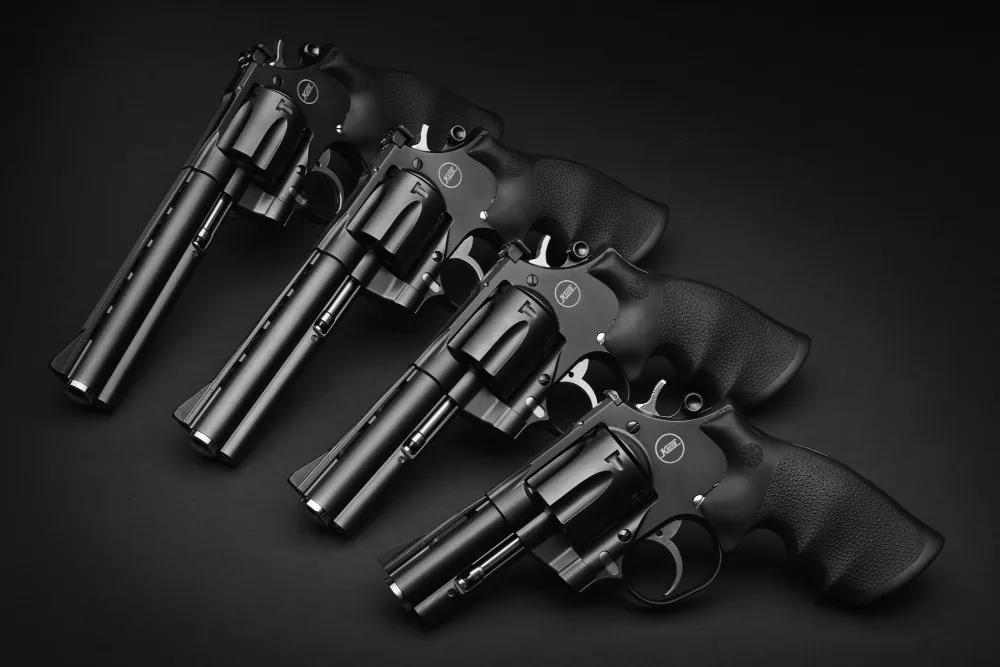
As for revolver brands Colt and Smith & Wesson always cornered the US market but I have discovered they are not the best. Years ago I obtained a plain Jane entry level Manurhin with a 4″ barrel and fixed sights. That Manurhin IMO is a better quality revolver than anything made in the USA. I now have 3. Not to be limited I bought an early Korth made at Ratzenburg and that revolver took things to a whole different level. The newer Lollar Korths though not as finely blued have a marvelous finish called DLC which IMO is the most durable finish ever. Started with one Korth and now have 4. Somescoff at the price of a Manurhin or Korth but believe me they are worth every penny. The trouble being once you own one of these hand made revolvers you’ll want another.