
Key Takeaways:
- 2011 pistols blend classic design with modern performance: These firearms evolve the iconic 1911 platform by incorporating features like double-stack magazines, modular components, and lightweight materials, offering shooters the perfect balance of tradition and innovation.
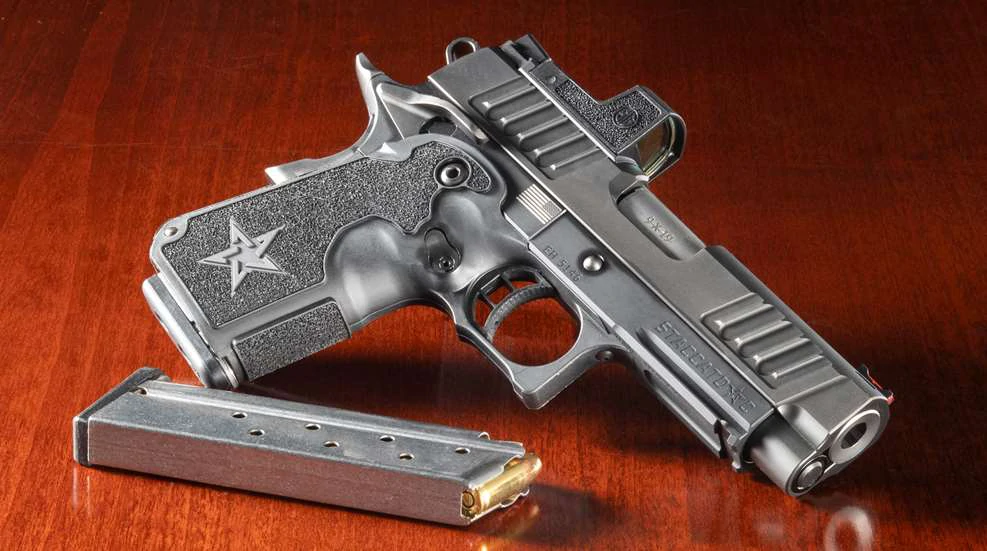
- Leading brands like Staccato, Triarc, and Nighthawk Custom set the standard: Each manufacturer brings its craftsmanship and philosophy, from Staccato’s duty-ready reliability to Nighthawk’s hand-built luxury, giving shooters a wide range of tailored options.
- Whether for competition, defense, or collecting, there’s a 2011 for every shooter: Thanks to their precision, adaptability, and aesthetic appeal, 2011-style pistols remain a top choice for professionals, hobbyists, and collectors alike.
Look, the world of firearms is pretty overwhelming if you’re just getting into it. There’s just… so much out there. But here’s the thing about 2011-style pistols: they’re kind of the sweet spot between respecting tradition and embracing what actually works better.
These guns are basically what happens when you take the legendary 1911 design (you know, the one your grandfather probably swears by) and ask, “Okay, but what if we made it better?” And I don’t mean that in a disrespectful way. The original 1911 was groundbreaking. But we’re not living in 1911 anymore.
What makes 2011 pistols interesting is that they’ve managed to keep that classic feel while fixing some very real limitations. More rounds in the magazine. Better materials. Easier to customize. It’s like taking a vintage car and dropping in a modern engine, you get the style with actual performance you can rely on.
So let’s talk about the five brands that really nail this concept. Each one has its own personality, its own approach to what makes a great firearm. Whether you’re into competitive shooting, need something for personal defense, or just appreciate well-made tools, these companies have figured out how to deliver.
From 1911 to 2011: How We Got Here
John Browning designed the 1911, and honestly? The man was a genius. That pistol set the standard for semi-automatic handguns for over a century. Reliable, accurate, felt great in your hand. People still love them.
But here’s where things get interesting.
As shooting sports evolved and real-world applications changed, people started wanting more from their handguns. Not because the 1911 was bad, but because it needs change. Competitive shooters wanted higher capacity. Tactical users needed better modularity. Everyone wanted lighter weight without sacrificing durability.
Enter the 2011 concept. It’s not trying to replace the 1911; it’s more like a respectful evolution. Same basic platform, same feel, but with modern engineering solving old problems.
The biggest change? Double-stack magazines. Instead of the traditional single-stack that holds 7-9 rounds, you’re looking at 15-20+ rounds depending on the model. That’s a game-changer in competition where every reload costs time, or in a defensive scenario where running dry isn’t an option.
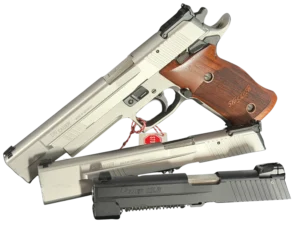
Then there’s the modularity factor. Modern 2011s are designed from the ground up to be customizable. Want different grips? Swap them out in minutes. Need a different trigger pull? Done. Better sights? Easy. It’s like building a computer where you can upgrade components instead of buying a whole new machine.
And the materials, honestly, this is where modern manufacturing shines. Lightweight alloys that somehow manage to be stronger than traditional steel. Better coatings that actually resist wear. Precision machining that would’ve been impossible decades ago.
You end up with something that weighs less, holds more rounds, shoots just as accurately (if not better), and can be tailored to exactly what you need.
Pretty cool when you think about it.
What Actually Makes 2011 Handguns Different?
Okay, so what’s the big deal? Why would someone pick a 2011 over the classic 1911 or any other modern pistol?
First off, that double-stack magazine I mentioned. This isn’t just about capacity for the sake of it. In competitive shooting, fewer reloads mean faster times and fewer opportunities to screw up under pressure. In tactical situations, well, nobody’s ever complained about having too many rounds available. The magazine design is clever too; they’ve managed to maintain a grip that doesn’t feel like you’re holding a brick.
The modularity is where things get fun. I’ve seen shooters completely transform their 2011 to match their style. Competition guys tune everything for speed and precision. Tactical shooters configure for reliability under stress. Some people just like tinkering. The point is, you’re not stuck with one configuration. Do your needs change? The gun adapts.
Modern materials make a real difference in how these things are handled. Lighter guns are easier to control during rapid fire. Better balance means less muzzle flip. Stronger alloys mean the frame can handle high round counts without wearing out. It’s not just marketing speak; you can feel it when you shoot.
But here’s what I think matters most: the ergonomics. These pistols just feel good. The grip angle, the weight distribution, and how it points naturally all contribute to better accuracy and less fatigue during extended shooting sessions. Small details, maybe, but they add up.
STI International (Now Staccato): The Ones Who Started It All
You can’t talk about 2011 pistols without talking about STI, which rebranded as Staccato a few years back. These guys basically invented the category. They’re the ones who looked at the 1911 and said, “What if we made it hold twice as many rounds?”
That might sound simple, but it wasn’t. Fitting a double-stack magazine into a 1911-style frame required completely rethinking the design. STI figured it out, and suddenly, competitive shooters had a platform that could actually compete with modern polymer guns on capacity while keeping that 1911 trigger everyone loves.
Staccato’s reputation is built on precision. Each pistol is engineered to tight tolerances, and you can tell. The controls are crisp, the trigger breaks clean, and accuracy is consistently excellent. Whether you’re running drills at the range or betting on your performance in competition, these guns deliver.
They’ve also done something smart with their product lineup. Instead of one gun trying to do everything, Staccato offers models tailored to specific uses. Want something to carry? They’ve got you covered. Need a competition rig? Different model. Law enforcement duty gun? Another option. It’s about matching the tool to the job.
What I appreciate about Staccato is that they haven’t rested on being first. They keep refining, keep improving. The modularity lets shooters dial in their setup without needing a gunsmith for every change. And their higher-capacity magazines genuinely reduce reload frequency, which matters more than you’d think when you’re trying to shave seconds off a stage time.
Triarc Systems: When Precision Becomes an Obsession
Triarc Systems is known for one thing above everything else: barrels. Specifically, their Triarc Track barrel technology, which is kind of their secret sauce.
Here’s why that matters. The barrel is arguably the most critical component for accuracy. Everything else can be perfect, but if the barrel isn’t consistently delivering rounds to the same point, you’re fighting an uphill battle. Triarc figured out how to make barrels that are stupidly accurate. Like, genuinely impressive groupings at distance.
Competitive shooters noticed. When you’re trying to hit an A-zone at 25 yards as fast as possible, that extra precision makes the difference between winning and going home disappointed.
But Triarc isn’t just about the barrel. Their whole philosophy centers on customization. They want you to build exactly the gun you need. Trigger pull weight? Your choice. Grip texture? Pick what works for your hands. Sights, controls, even finish options, they’ve got opinions about what works, but ultimately they let you decide.
The build quality is serious. These aren’t mass-produced firearms rolling off an assembly line. Each gun gets individual attention, careful fitting, and testing. That level of craftsmanship shows in reliability. You’re not worrying about malfunctions or parts breaking under stress.
And weirdly enough, they haven’t forgotten that guns can look good, too. The finishes they offer range from practical to downright beautiful. So you end up with something that shoots great and looks like it belongs in a case.
For precision nerds (and I mean that affectionately), Triarc scratches that itch.
Infinity Firearms (SVI): Built For You, Specifically
Infinity Firearms, operating as SVI, takes customization to another level entirely. These aren’t off-the-shelf guns. Each one is hand-fitted and assembled to the buyer’s specifications.
Hand-fitting means exactly what it sounds like. A person is fitting components together, checking tolerances, and ensuring everything works smoothly. It’s old-school gunsmithing applied to modern design. Time-consuming? Yeah. Worth it? Depends on what you value.
The modularity is extensive. SVI pistols are designed so you can swap components easily. Different barrel length for a specific competition division? Just change it out. Want to switch between iron sights and a red dot? No problem. The platform adapts.
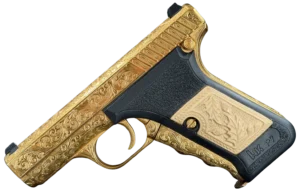
What’s interesting is how SVI approaches aesthetics. They treat each gun like it should reflect the owner’s personality. Custom finishes, engravings, unique touches, it’s all on the table. You’re not just buying a tool; you’re getting something that feels personal.
Competitive shooters love SVI for the flexibility. You can configure the same basic pistol for multiple shooting disciplines without buying separate guns. That’s practical if you shoot in different divisions or formats.
But let’s be real, this level of customization costs more. You’re paying for hand-fitting, for options, for the ability to make it exactly what you want. For some people, that’s worthwhile. For others, it’s overkill. Know yourself before you commit.
Wilson Combat: The Tactical Standard
Wilson Combat has been around forever in firearms terms, and their reputation is rock solid. When they moved into 2011 pistols, they brought all that experience with them.
These guns are built for serious use. For law enforcement, military, and tactical applications, Wilson designs with those users in mind. That means reliability isn’t negotiable. Neither is durability. These pistols need to work when it matters most, under conditions that would make other guns choke.
The materials Wilson uses reflect that priority. High-grade steel, quality coatings, components chosen for longevity. They’re not cutting corners to save weight or cost. The result is a pistol that feels substantial in your hand and can handle abuse.
Accuracy is a given with Wilson Combat. The precision machining ensures consistency, and the engineering focuses on fundamentals that matter in real-world scenarios. Good trigger, reliable controls, sights you can actually use under stress.
What I think Wilson does particularly well is balance. The weight distribution, grip design, and overall handling make these pistols easy to control during rapid fire. That matters in defensive scenarios or when you’re running multiple targets quickly.
They’ve also integrated modern safety features thoughtfully. Not gimmicks, but genuine improvements that enhance user safety without compromising performance. For professionals carrying these guns daily, that attention to detail matters.
Nighthawk Custom: Firearms as Art
Nighthawk Custom occupies a unique space in the 2011 world. Yes, their pistols perform exceptionally. But they’re also beautiful in a way that most guns simply aren’t.
The Gunsmith Build Philosophy is their signature approach. One gunsmith builds each pistol from start to finish. No assembly line, no different people handling different stages. One person is responsible for the entire gun. That level of craftsmanship is rare in modern manufacturing.
You can see it in the finished product. The fit and finish are immaculate. Controls operate smoothly. The trigger breaks like glass. Everything feels intentional, refined. It’s the difference between a tool and a precision instrument.
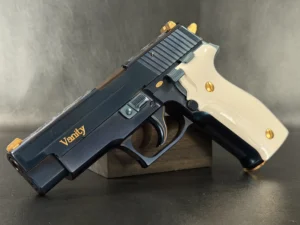
The aesthetics are legitimately stunning. Nighthawk offers finishes and details that turn heads at the range. But it’s not just about looking pretty; the beauty comes from precision machining and attention to detail that also makes the gun perform better.
For collectors, Nighthawk pistols are prized possessions. They hold value, they’re conversation pieces, and they genuinely perform at a high level. You’re not sacrificing function for form.
But this level of quality costs. Nighthawk pistols are expensive. You’re paying for hours of skilled labor, premium materials, and a level of craftsmanship that’s becoming increasingly rare. For some people, owning a Nighthawk is worth every penny. Others would rather put that money toward ammunition and training.
So Which One Should You Actually Pick?
Honestly? It depends on what matters to you.
Staccato makes sense if you want proven performance without overthinking it. They invented this category, they’ve refined it over the years, and their guns just work. Good choice for someone getting into 2011s who wants reliability and options.
Triarc is for precision-focused shooters. If accuracy is your priority and you enjoy dialing in your setup, their barrel technology and customization options deliver. Competitive shooters running precision divisions love these.
SVI appeals to people who want something truly personal. The hand-fitting and extensive customization mean you’re getting exactly what you specify. It’s not cheap, but it’s yours in a way that off-the-shelf guns aren’t.
Wilson Combat is the practical choice for serious use. Tactical applications, duty carry, defensive scenarios—their focus on reliability and durability makes sense when failure isn’t acceptable.
Nighthawk Custom is for someone who wants the best and doesn’t mind paying for it. The craftsmanship is unmatched, the aesthetics are beautiful, and the performance is excellent. Think of it as an investment piece.
Looking Forward
The 2011 platform isn’t going anywhere. If anything, it’s getting more popular as people discover what these pistols can do.
As manufacturing technology advances, we’ll probably see even better materials, tighter tolerances, and more innovative features. The basic concept—taking the beloved 1911 design and modernizing it intelligently—has proven itself. Now it’s about refinement and pushing boundaries further.
What’s cool is how these firearms bridge different worlds. They appeal to traditionalists who appreciate the 1911 heritage while attracting modern shooters who demand current performance standards. That’s not easy to pull off, but the 2011 platform manages it.
Whether you’re shopping for your first high-end pistol or adding to an existing collection, understanding these five brands gives you a solid foundation. Each brings something different to the table, but all deliver on the promise of what a 2011 should be.
And really, isn’t that the point? Finding the gun that works for you, that meets your needs, that you’ll actually enjoy shooting. Everything else is just details.
Frequently Asked Questions
2011-style firearm is a modern evolution of the classic 1911 pistol. It features a modular frame, double-stack magazine for higher capacity, and updated materials, making it lighter, more customizable, and well-suited for both competitive and defensive shooting.
While the 1911 uses a single-stack magazine and fixed frame, the 2011 upgrades the platform with a double-stack magazine for increased round count, a modular frame for easier customization, and advanced ergonomics. It retains the iconic look and feel while performing like a modern, high-performance pistol.
Top names include Staccato (formerly STI International) for duty and defensive use, Triarc Systems for precision engineering, Infinity Firearms (SVI) for bespoke performance, Wilson Combat for tactical durability, and Nighthawk Custom for handcrafted luxury.
Yes—many models offer smooth handling, enhanced ergonomics, and reliable performance, making them user-friendly even for newer shooters. Brands like Staccato and Wilson Combat offer models specifically tuned for ease of use and comfort.
Their higher capacity, lighter weight, and modular design give competitors an edge. Faster reloads, better recoil control, and precision engineering help shooters stay consistent under pressure.