
Key Takeaways:
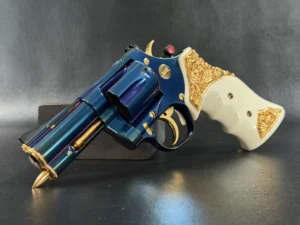
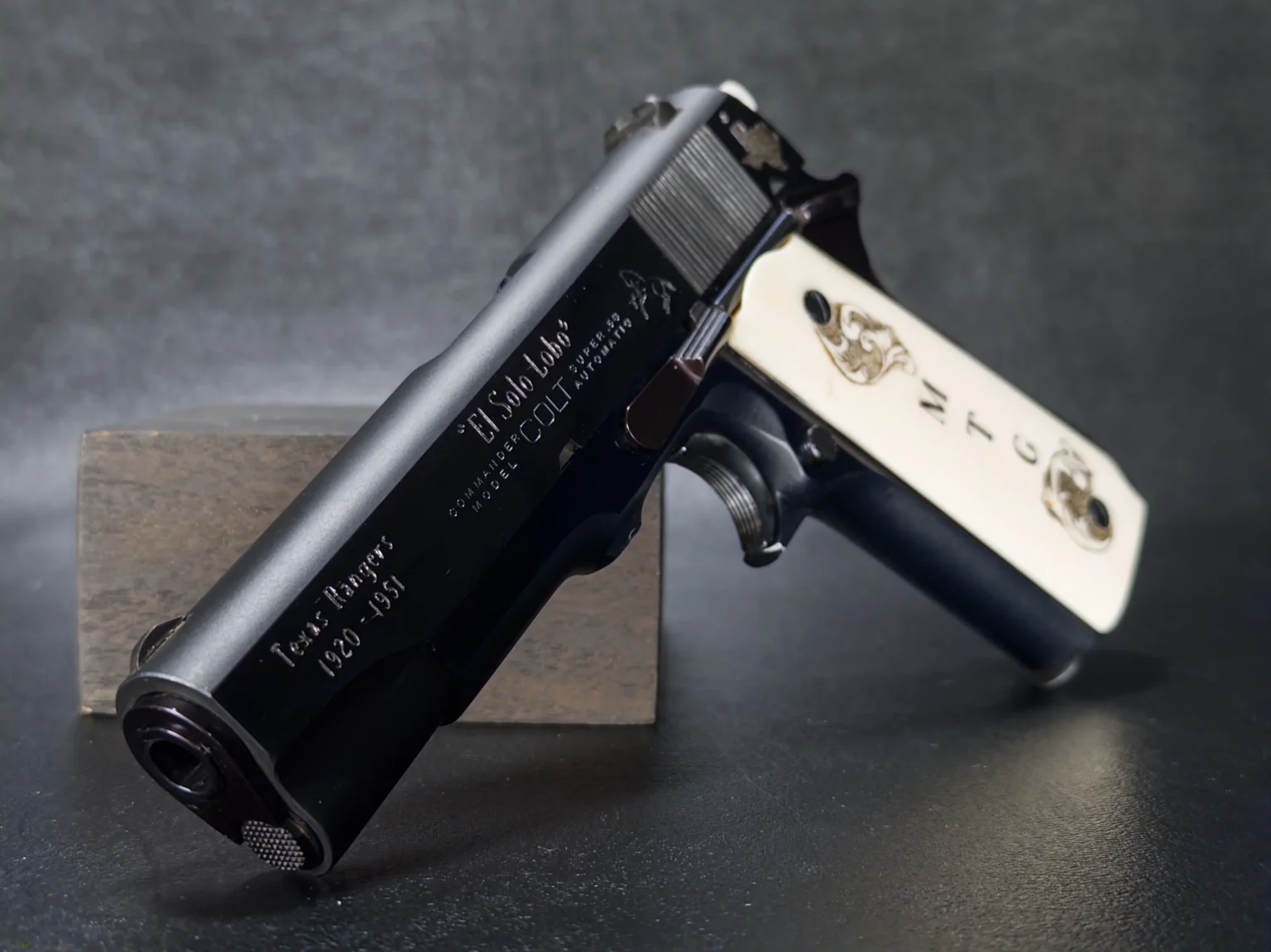
- Custom guns are for you, collectibles are for value: When you personalize a firearm with custom work, you’re basically killing its investment potential. That’s fine if you bought it to shoot and enjoy, but don’t expect to make money when you sell it. Your initials engraved on a Colt Python makes it worth less to everyone else, not more.
- Real collectibles require knowledge and patience: You can’t just buy any expensive gun and expect it to appreciate. Investment-grade pieces must be from recognized manufacturers, in pristine condition, and properly documented. You’ll wait months or years for the right piece at the right price, and you absolutely cannot shoot them if you want to preserve value.
- Be honest about what you actually want: The worst mistake is buying custom with the expectation of investment returns, or buying collectibles you never enjoy because you’re terrified of devaluing them. Figure out if you’re a shooter, an investor, or both, then buy accordingly. Your background and goals matter way more than what anyone else thinks you should do.
Let’s get started…
Look, if you’re reading this, you’ve probably hit that moment. You know the one. You’re standing in a gun shop, or scrolling through an auction site at 2 AM, and you’re thinking about dropping serious money on a firearm. But here’s the thing that’s eating at you: do you want something made for you, or something that might actually be worth more in ten years?
Both options are legit. I’m not here to tell you one is better than the other. But they’re completely different animals, and honestly? Most people don’t think this through before they buy. Then they’re confused years later when their custom piece doesn’t sell for what they expected, or their “collectible” turns out to be worth less than they paid.
If you’ve ever bought art or sculpture (and I’m guessing you have, or at least you’ve thought about it), you already get part of this. Commissioning a piece from a living artist is fundamentally different from buying a recognized masterwork at auction. Same deal with firearms, except it gets messier because guns are functional objects. They’re not just investments or art pieces. They can be both, or neither, or something in between.
Let’s figure this out.
The Thing Nobody Tells You Upfront
Here’s what I wish someone had told me years ago: when you personalize a firearm, you’re almost certainly killing its investment value.
I’m not trying to be harsh; it’s just reality. When you engrave your initials on a Colt Python, specify custom grip checkering that nobody else would ever want, or commission a one-off stock configuration, you’re creating something that’s precious to you, and that’s great. But to everyone else, it’s simply a modified gun with someone else’s name on it.
Think about it. Would you pay premium money for a bronze sculpture with some stranger’s name carved into the base? Probably not, right? You’d want the original, unsigned version, or at least something signed by the artist, not by a previous owner.
Collectors want factory original. They want documented provenance. They want unfired or barely touched. Your custom Browning Hi-Power with the aggressive stippling you had done? To them, that’s just a gun that’s been modified. The value goes down, not up.
But here’s where it gets interesting.
Sometimes that doesn’t matter at all.
When Money Shouldn’t Be the Point
There are moments in life when the smart financial move is also the boring move.
Maybe you’ve just made partner at your firm. Maybe you’re turning 50 and want something that exists nowhere else on Earth. Or maybe you’ve spent thirty years hunting the same Montana mountains and now want a rifle that embodies that experience, engraved with scenes from your favorite ridgeline and stocked in wood from trees that grow in those very mountains.
These are good reasons to go custom. You’re not buying for resale. You’re buying for the experience of owning something made specifically for your hands, your eyes, your needs.
And honestly? Custom work done by real master craftsmen creates firearms that function at levels production guns can’t touch. We’re talking hand-fitted actions. Custom chambers matched to specific loads. Stock work that makes the gun mount naturally every single time. This is where function meets art, where every specification reflects what you actually need, not what some engineer thought the average shooter might want.
The Sentiment Factor
The sentimentality piece matters too, and I don’t think it gets talked about enough.
A custom gun can commemorate things. Relationships. Adventures. Achievements. In ways a factory piece never could. That has real value. It just doesn’t show up in auction catalogs, you know?
I’ve seen custom guns that told entire stories. A father’s retirement gift from his kids, engraved with scenes from his career. A rifle built to mark a recovered hunter’s return to the field after cancer treatment. A competition pistol configured exactly for a shooter who won their first major match with a borrowed gun and wanted their own version of that feeling.
That stuff matters. It’s just not the kind of value you can quantify.
Okay, Let’s Talk About Money
Now we get to collectibles, where things get financially serious.
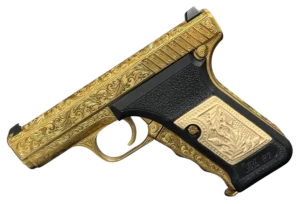
Certain manufacturers have established themselves as consistently appreciating assets. I’m talking about names like Korriphila. If you don’t know them, they’re a German manufacturer whose handguns represent some of the finest metalwork in the industry. These aren’t guns you stumble across at your local shop. They’re rarities that serious collectors pursue with the same intensity as art collectors hunt for specific painters.
Production numbers are intentionally limited. Quality control borders on obsessive. Every component is individually fitted. And prices reflect all of that.
The German Precision Angle
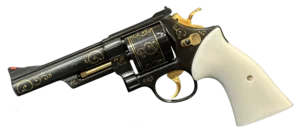
Korth revolvers, particularly their Ratzeburg-era pieces, occupy similar territory. We’re talking about firearms where tolerances are measured in microns. Where each gun gets fitted by a single master gunsmith who won’t let it leave the shop until it’s perfect by their standards.
Weirdly enough, this level of obsession creates value. Not because the guns shoot that much better than good production revolvers (though they do), but because collectors recognize that this level of craft is rare. And getting rarer.
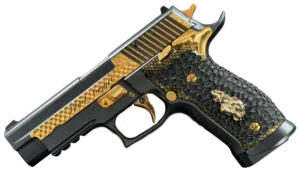
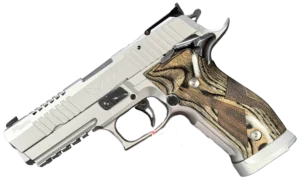
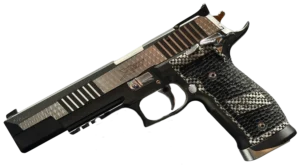
Then there’s Sig’s Mastershop output. Not to be confused with standard Sig production, which is excellent but still production. The Mastershop is where Sig’s best people make guns when they have time, resources, and basically zero constraints. These pieces showcase what’s possible when master gunsmiths don’t have to worry about throughput or cost optimization.
They’re collectible because they represent pinnacle achievements from recognized manufacturers. The Sig name carries weight, and the Mastershop designation signals that this particular gun got the special treatment.
American Classics
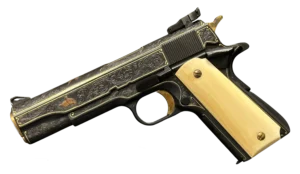
Classic Colt Single Action Army revolvers, especially factory-engraved specimens from before World War II, have proven themselves as blue-chip investments. I’m not exaggerating when I say we’re seeing pristine examples sell for six figures. And that market shows no signs of cooling.
Why? Scarcity, obviously. Historical significance. The Colt name. But also something less tangible. The SAA represents something in American culture. It’s iconic in a way most guns aren’t. That cultural weight adds value that transcends typical manufacturer reputation.
The HK Situation
Heckler & Koch occupies an interesting space, and it’s worth understanding because it illustrates how collector markets work.
Most HK production guns don’t qualify as “collectibles” in the investment sense. They’re excellent firearms. They’ll hold their value reasonably well. But they’re not going to appreciate significantly. However, certain limited runs, particularly early roller-delayed rifles in specific configurations, have developed strong collector followings.
The keyword there is “specific.” Not every HK appreciates. You need to know which variants matter. Which production years? Which markings. This is where casual buyers get burned. They think “HK is collectible” and buy any HK, then wonder why it doesn’t appreciate.
Reading the Market (Or: Why Collectors Are Weird)
Understanding what makes a firearm collectible requires getting inside the collector’s mindset, which honestly can seem pretty bizarre if you’re a practical shooter.
Collectors value originality above almost everything else. A Colt Python that’s never been fired, still in its original box with all paperwork? Worth substantially more than an identical model that’s been shot regularly, even if the fired example functions flawlessly.
This seems illogical until you remember that serious collectors aren’t buying firearms to shoot. They’re acquiring pieces of history. Examples of craft. Or straight-up investments.
Provenance Is Everything
Provenance matters tremendously, sometimes absurdly so.
A rifle owned by a notable figure. A handgun used in a significant historical event. A firearm with documented military service. These carry premiums that might seem insane to someone who just wants a good gun.
But collectors aren’t practical shooters. They’re curators. Historians. Sometimes speculators. The story behind the gun can be worth more than the gun itself.
The Limited Edition Game
Limited production runs create value, assuming the underlying quality supports it. And this is important: a limited edition of a mediocre gun is still mediocre. Scarcity alone doesn’t do it.
But when master-level manufacturers produce numbered, limited runs? That’s when things get interesting financially. These pieces enter the market already positioned as future collectibles. Everyone knows there will only ever be X number of them. If they’re also exceptionally well-made, that’s a recipe for appreciation.
Not gonna lie, sometimes the limited edition game feels a bit manufactured. The manufacturer is trying to create collectibility rather than earning it through excellence. But when it works, it works. And buyers who get in early can do very well.
What You’re Actually Getting With Custom Work
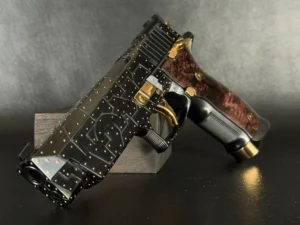
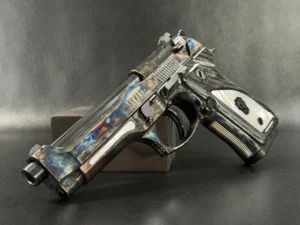
When you commission custom work, you’re purchasing expertise, time, and the luxury of exact specification.
A custom rifle build might involve months of work. The gunsmith is bedding your action with precision that takes days, not hours. Working your trigger to exact specifications, testing it repeatedly, adjusting, testing again. Maybe cutting a custom chamber for your preferred load. The stock is shaped to your measurements. The balance point is where you want it. The sights are mounted for your eye relief and shooting position.
This is intimate work, honestly. The gunsmith becomes a collaborator in creating something that extends your shooting capabilities.
The Handgun Angle
For handguns, custom work often focuses on defensive or competitive applications.
Trigger jobs that reduce pull weight while maintaining absolute reliability. Sight installations that account for your specific vision and shooting style. Maybe you have astigmatism that makes red dots problematic, so you’re getting a sight setup that works for your eyes. Grip modifications that accommodate your hand size. These modifications can transform a good gun into a great one for you.
I’ve seen competitive shooters go through this process, and it’s fascinating. They’re not generally looking for the best gun. They’re looking for their best gun. The one that works for their grip, stance, trigger press, and vision. Custom work can deliver that in ways factory guns rarely do.
What You’re Not Getting
But here’s what you’re not getting: an asset that’s likely to appreciate.
The money you spend on custom work should be considered an investment in experience and utility. Not as a capital that will grow. Some custom guns do appreciate, particularly if they’re built by gunsmiths who later become legendary. But betting on that outcome is, at best, speculation.
I know people who’ve spent $5,000 on custom work on a $1,500 base gun and ended up with something worth maybe $3,000 to anyone else. The work was excellent. The gun performed beautifully. But the value didn’t transfer.
That’s okay if you bought it for the right reasons. It’s disappointing if you expected investment returns.
Building a Collection: It’s Different Than You Think
Building a collection of investment-grade firearms requires skills that have nothing to do with building custom guns.
First, you need market knowledge. Not just what’s expensive now, but what’s likely to appreciate. This means understanding production numbers. Recognizing significant variants. Knowing which conditions matter most and why.
You need patience. Like, real patience. The right piece at the right price doesn’t appear on demand. You might wait months or years to acquire a specific Korriphila variant in the condition you want. Rushing leads to overpaying or buying the wrong example.
Storage and Care
You need proper storage. Climate-controlled storage. These aren’t safe queens because you’re sentimental about them. They’re assets that must be preserved in their current condition. Environmental controls matter. Humidity fluctuations can damage finishes, cause rust, and warp wooden stocks.
And yeah, you need to resist the urge to shoot them. This bothers some people philosophically, and I get it. They argue, reasonably, that guns are meant to be shot. Leaving them unused feels wrong somehow.
But when you’re treating firearms as investments, that perspective doesn’t really apply. You wouldn’t hang a Picasso drawing outside in the rain because “paper is meant to be seen in natural light.” Same principle.
The Knowledge Game
The knowledge piece is bigger than people realize.
You need to know which engravers mattered. Which factory markings indicate what? How to spot refinished pieces that are being passed off as original. What “original box” really means versus a period-correct box that wasn’t actually sold with that specific gun.
This knowledge comes from years of study, handling pieces, talking to other collectors, and making mistakes. It’s not something you can pick up from reading a price guide.
Interestingly, some of the best collectors I know are obsessive nerds about tiny details that seem meaningless to outsiders. They can spot a refinished trigger guard from across a room and know precisely which serial number ranges correspond to specific features. They care deeply about seemingly small distinctions, like original grips versus period-correct replacements.
That obsessive attention to detail is what separates successful collectors from people who just accumulate guns.
The Middle Path (It Exists)
Some people thread the needle by doing both. They maintain a collection of investment-grade pieces while also owning custom firearms for actual use.
This approach makes sense if you have the budget for it. Your Korth revolver stays pristine in controlled storage while your custom defensive pistol sees regular range time. You can appreciate the craftsmanship of your factory-engraved Colt SAA without feeling guilty about not shooting it, because your custom hunting rifles are getting actual field use.
This strategy also lets you diversify. Some of your firearms budget is allocated to assets that should appreciate. Some goes toward tools and objects you actually use and enjoy.
The Psychological Benefit
The psychological benefit is real and doesn’t get discussed enough.
You can own pieces of firearms history without the nagging feeling that you’re letting functional objects sit unused. Meanwhile, your custom pieces don’t bear the pressure to preserve investment value. You can modify them further if needed. Shoot them as much as you want. Loan them to trusted friends.
It’s liberating, honestly. Each gun category serves its purpose without compromise.
I know a collector who has maybe fifteen investment-grade pieces locked away and another twenty guns he actually shoots. He describes it as having a retirement account and a checking account. The investment pieces fund his future. The shooters fund his current enjoyment. Both matter, but they serve completely different roles.
What Your Art Background Teaches You
Given that you’ve spent time around art and sculpture, you already understand concepts that many firearms buyers don’t grasp.
You know that rarity alone doesn’t create value. It must be coupled with quality and desirability. You understand that the condition is paramount. You recognize that markets for luxury items can be cyclical. That actual investment pieces require patience and proper stewardship.
Apply those principles here, and you’ll be ahead of most gun buyers.
The Quality Question
A collectible firearm should meet the same standards you’d apply to a fine sculpture. Is it the work of a recognized master or manufacturer, and is it in pristine condition? It should be rare enough to matter, yet not so obscure that there’s no market for it. Above all, ensure it still has its original components and finish.
If you can’t answer yes to most of those questions, you’re probably not looking at an investment piece. You might be looking at an interesting gun. A good gun. Even a historically important gun. But not necessarily one that will appreciate significantly.
The Personal Piece
Custom pieces, meanwhile, are like commissioned art. They have immense personal value. They might be objectively superior in function. But they’re not liquid assets.
Buy them for the right reasons (personal connection, specific utility, the joy of ownership), and you’ll never be disappointed. Buy them expecting investment returns, and you’ll be frustrated.
I’ve learned this the hard way. Early in my collecting years, I had custom work done on a few pieces, thinking it would enhance their value. It didn’t. What it did was create guns that I enjoyed shooting more. Which is valuable, just not in the way I’d initially hoped.
Let’s Get Specific About Numbers
Numbers help clarify these decisions, so let’s talk real costs.
A quality custom-built gun on a solid base might run $3,000 to $10,000, depending on the work involved. That money is essentially gone from an investment standpoint. You might recover some of the cost if you later sell the gun, but don’t expect to profit. You’re paying for craftsmanship and personalization, which don’t transfer value to the next owner the way you might hope.
The Collectible Side
A collectible firearm might cost anywhere from $5,000 to well into six figures. A pristine Korriphila HSP? That’s going to start around $8,000 for a decent example and go up from there. A high-condition Colt SAA with factory engraving? Sky’s the limit, really, but figure $20,000 minimum for anything worth owning.
But if you choose wisely, that piece has a reasonable chance of appreciating 3-7% annually. Sometimes, more for exceptional examples. That’s not speculation. That’s based on decades of auction results for top-tier collectibles.
The catch is that collectibles require you to be right about your assessment. Buy the wrong piece or overpay, and you’ve tied up capital in something that might not appreciate at all. Maybe even depreciate if the market shifts.
The Opportunity Cost
There’s also an opportunity cost to consider. Money in a collectible firearm is money not invested elsewhere. If the stock market returns 10% annually and your gun appreciates at 5%, you’re actually behind compared to just putting that money in an index fund.
But that calculation ignores the enjoyment factor. The pride of ownership. The tangible nature of the asset. Some people value those things enough that slightly lower returns don’t matter.
Storage, Insurance, and Other Fun Topics
Storage and insurance get more complex when you’re treating firearms as investments rather than tools.
Investment-grade pieces need climate-controlled storage. Consistent temperature and humidity. You wouldn’t store a valuable painting in a damp basement. The same logic applies here.
Safes need to be more than just secure. They need to maintain stable conditions. Some collectors use dehumidifiers. Some use specific storage products. The goal is to prevent any environmental damage over the years or decades.
Insurance Is Tricky
Insurance is trickier than you might expect. Standard homeowners’ policies often cap firearms coverage at surprisingly low amounts. Like $2,500 total. If you have a single gun worth more than that (and collectible pieces often are), you’re underinsured.
You’ll likely need separate rider policies with specific appraisals. This means getting your collection professionally appraised, which costs money. Then paying premiums on the declared value, which costs more money. Then updating appraisals periodically as values change.
It adds up. Factor these costs into your investment calculus.
Documentation Matters
Documentation matters tremendously for collectibles. Original boxes. Paperwork. Proof of provenance. These aren’t nice extras. They’re essential components of value.
I’ve seen identical guns sell for dramatically different prices, purely based on documentation. One has the original box and papers. One doesn’t. The difference might be 30-40% in the final price.
For custom pieces, detailed records of the work performed and the gunsmith who performed it add to the personal historical value. They won’t necessarily translate to resale value, but they matter for your own records and for any potential future buyer who wants to understand what they’re getting.
Keep good records. Take photos. Document everything. Your future self will thank you.
The Part Nobody Talks About: How Does It Make You Feel?
Here’s something that doesn’t appear in price guides but matters enormously: how does owning the gun make you feel?
A custom piece built to your specifications can bring joy every time you handle it. There’s something deeply satisfying about an object made specifically for you. Especially when that object functions at the highest level. The lack of investment potential doesn’t diminish that satisfaction if you bought it for the right reasons.
The Collector’s High
Collectibles provide different emotional rewards. There’s the satisfaction of owning something rare and historically significant. The pleasure of careful curation, of finding the right piece at the right time. There’s even a particular pride in being a custodian of important objects, preserving them for future generations.
Some collectors describe it as feeling like a museum curator, except you get to own the collection. You’re not just preserving history. You’re personally responsible for it. That responsibility brings a sense of purpose that’s hard to quantify but very real.
Neither Is Better
Neither emotional experience is superior to the other. They’re just different.
I know shooters who would never buy a collectible. The idea of owning a gun that they can’t shoot feels wrong to them. They want their firearms to be tools, used and appreciated.
I know collectors who rarely shoot anything. Their satisfaction comes from ownership, curation, and the knowledge that they’re preserving important pieces. Shooting would diminish their enjoyment, not enhance it.
Both perspectives are valid. What matters is knowing which one resonates with you.
Making Your Actual Decision
So how do you decide which path is right for you?
Start by being brutally honest about your priorities. Are you looking for an heirloom that carries personal significance? Custom might be your answer. Are you trying to build a collection that could fund other endeavors down the line? Focus on established collectibles.
The Use Question
Consider your intended use. If you plan to shoot the gun regularly, custom work might make sense. You’re modifying it for actual use anyway. Making it yours. The investment angle becomes less relevant when the gun is getting shot.
If the gun will spend most of its life in storage, consider whether collectible status matters. A gun that sits unused might as well be a collectible that maintains or increases in value.
Timeline Matters
Think about your timeline. Custom pieces provide immediate satisfaction and utility. You commission the work, wait for it to be completed, and then you have exactly what you want. The reward is immediate and tangible.
Collectibles are long-term plays. You might wait years to find the right piece. Then, more years for it to appreciate. The satisfaction comes from patient curation and the eventual realization of value. If you need immediate gratification, collectibles will frustrate you.
Budget Reality
Be realistic about the budget. Building a meaningful collection of investment-grade firearms requires substantial capital. We’re talking tens of thousands minimum, more realistically hundreds of thousands for a collection that moves the needle financially.
Custom work, while expensive, can be done piece by piece as budget allows. You can commission one gun this year, another in three years, building slowly without requiring massive upfront capital.
What Actually Matters Here
Neither “custom” nor “collectible” is the “right” answer in all cases. They serve different purposes. Provide different satisfactions. Come with different financial implications.
What matters is aligning your choice with your actual goals and being honest with yourself about what those goals are.
Want a rifle that fits you perfectly and tells your story? Get it custom-built and enjoy it without worrying about investment value. Want to build a collection that might fund your retirement or become a legacy asset? Study the market, buy the best examples you can afford, and preserve them properly.
The Worst Mistakes
The worst mistake is buying custom while expecting investment returns. Or buying collectibles you never let yourself enjoy because you’re too worried about preserving value.
I’ve seen both. The person who spent $8,000 on custom work then gets angry when they can only sell the gun for $4,000. The collector who owns amazing pieces but never takes them out of the safe, never handles them, never allows themselves to appreciate what they own. Both are missing the point.
Your Advantage
Your background in art and sculpture actually gives you an advantage here. You already understand that value is complex, encompassing both financial and personal dimensions. You know that sometimes the joy is in the owning. Sometimes it’s in the appreciation potential. Ideally, it’s in both.
Apply that sophisticated understanding to firearms, and you’ll make choices you’re happy with twenty years from now, regardless of what the market does.
The Long View
Take the long view. Don’t make decisions based on short-term market fluctuations or temporary trends. Think about what will matter to you in five years. Ten years. Twenty years.
Will you regret not having that custom rifle built to your specifications? Or will you regret tying up capital in a gun you never shoot?
The answer will be different for different people. What matters is knowing your answer.
A Few Final Thoughts
Look, I’ve been around firearms long enough to see people make both brilliant and disastrous decisions. The brilliant ones usually involve people who were clear about what they wanted and why. The disasters typically involve people who were confused about their goals or dishonest with themselves about what mattered.
Be the one who’s clear. First, be honest with yourself: are you an investor, a collector, a shooter, or some mix of the three? Your answer should guide your choices. Don’t buy custom work if you’re after investment returns. Don’t buy collectibles if you need a dependable working tool. Above all, don’t buy anything just because someone else says you should.
The firearms world has plenty of opinions about what you “should” do. Ignore most of them. Figure out what matters to you. Then act accordingly.
It’s Your Money
It’s your money. Your collection. Your satisfaction is what matters, not auction results, not other collectors’ opinions, and not what the market does next year.
Buy pieces you’ll be happy owning regardless of value changes. If they appreciate, great. If they don’t, you still have guns you chose for good reasons and enjoy owning.
That’s a win no matter how you slice it.
Frequently Asked Questions
Probably not, honestly. Once you personalize a firearm, you’re creating something precious to you but less valuable to everyone else.
Entry-level investment pieces start around $5,000, but really meaningful collectibles usually run $10,000 and up. If you’re serious about this, budget accordingly.
Every time you fire, the value decreases, sometimes significantly. If you bought it as an investment, it must remain unfired.
Limited production numbers combined with obsessive quality control and master-level craftsmanship. Scarcity alone doesn’t do it; you need excellence, too.
Absolutely, because standard homeowners’ policies usually cap firearms coverage at ridiculously low amounts like $2,500 total. Get a separate rider policy with proper appraisals.
Anywhere from a few weeks to several months, depending on the complexity and the gunsmith’s backlog. Good custom work can’t be rushed.