
Key Takeaways:
- Provenance Changes the Game Depending on Which Side You’re On. With historic customs, proving where a gun came from and who owned it can make or break its value. You might spend weekends cross-referencing serial numbers and chasing down old shipping records. Contemporary customs flip that script entirely. You know the maker, you’ve got the receipts, and the gun’s story starts with you. Simple as that.
- Don’t Assume Every Custom Gun Is a Good Investment. Historic pieces with solid documentation tend to appreciate over time, partly because the supply is fixed and nobody’s making more of them. Contemporary customs? Most lose value the moment you take delivery. There are exceptions, sure, but treating a modern commission like a financial instrument is a gamble. Buy what moves you, not what you think will fund your retirement.
- The Knowledge You Need Looks Completely Different. Historic collecting is basically a history degree you earn the hard way. You need to recognize period-correct materials, spot refinished surfaces, and know which engraving styles belong to which decade. Contemporary collecting asks you to understand modern craftsmanship instead: barrel fitment, heat treatment, and the real difference between CNC-finished parts and true handwork. Both learning curves are steep, just pointed in opposite directions.
A Collector’s Field Guide to Two Very Different Worlds
Two Collections, Two Mindsets
There’s a moment every firearms collector hits sooner or later. You’re standing at a gun show or scrolling through an auction site, and you realize you’ve got a decision to make. Not about a specific gun, necessarily, but about what kind of collector you want to be. Do you chase history? Or do you chase craftsmanship that’s being made right now, today, by a living maker whose hand you could shake?
It sounds like a simple fork in the road, but it’s not. Collecting historic custom guns and collecting contemporary custom guns are two fundamentally different pursuits. They overlap in some places, sure. Both require knowledge, patience, and a willingness to spend money that would make your non-collector friends raise an eyebrow. But the skills you need, the risks you face, and even the emotions you feel holding a piece in your hands are distinct.
I’ve talked with collectors who do both, and most of them will tell you the same thing: each side has its own language, its own set of traps, and its own rewards. So let’s walk through the real differences, not the glossy magazine version, but the stuff that actually matters when you’re putting money on the table.
What Counts as “Historic” and “Contemporary” Anyway?
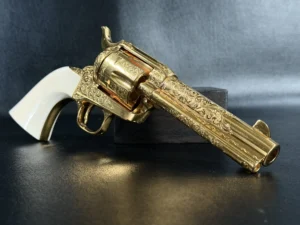
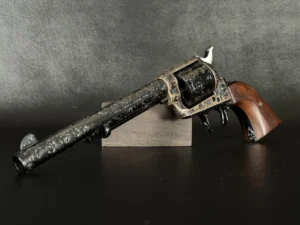
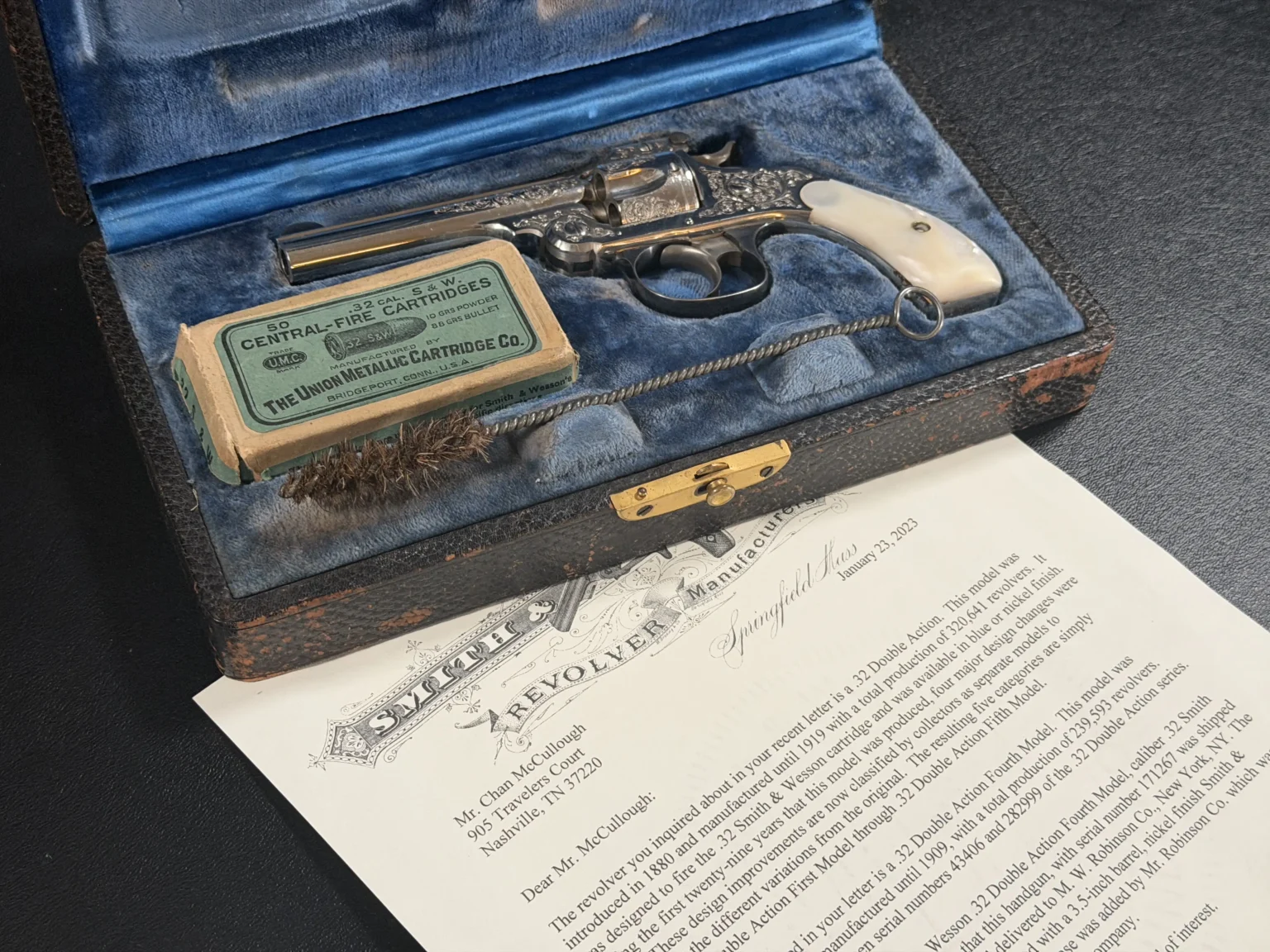
Before we get too far down the road, it’s worth nailing down some definitions. When people say “historic custom guns,” they’re typically talking about firearms that were custom-made or significantly modified by known gunsmiths or shops from a bygone era. Think of the ornate Kentucky long rifles from the late 1700s, engraved Colt Single Action Armies from the 1870s, or custom sporting rifles built by Griffin & Howe in the early 20th century. These are guns with provenance, with stories, and often with a layer of mystery that comes from the passage of time.
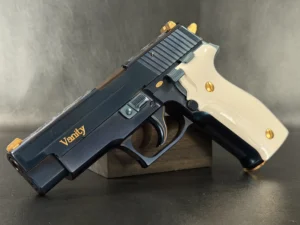
Contemporary custom guns, on the other hand, are being built today or over the last couple of decades by modern makers. We’re talking about builders like the folks at Cabot Guns, or individual artisans doing hand-fitted 1911s, bespoke bolt-action rifles from names like GA Precision, or shotguns from small European ateliers that still shape wood by hand. The steel is fresh. The maker is alive. And in many cases, you can commission exactly what you want.
That distinction between past and present might sound obvious, but it ripples out into everything else: how you evaluate quality, how you verify authenticity, how you store and insure the guns, and ultimately, how you feel about owning them.
The Provenance Problem (and Why It Matters More Than You Think)
Here’s the thing about historic customs: provenance is everything. And I mean everything. A beautifully engraved Winchester Model 1873 is impressive on its own. But if you can document that it belonged to a frontier lawman or was displayed at the 1893 World’s Columbian Exposition, the value doesn’t just increase; it multiplies.
The challenge? Provenance is hard to prove and easy to fake. Letters of authenticity, period photographs, shipping records, and family oral histories that may or may not be reliable. Collectors who specialize in historic pieces spend enormous amounts of time in archives, cross-referencing serial numbers, talking to other collectors, and sometimes hiring third-party researchers. It’s detective work, honestly, and some people love that part of it as much as the guns themselves.
With contemporary customs, provenance is almost a non-issue in the traditional sense. You know who built it. You probably have a receipt, maybe photos of the build process, and possibly even a video the maker posted on Instagram. The gun’s entire life story starts with you. There’s a certain simplicity to that, and for collectors who don’t want to spend weekends in library archives, it’s a real draw.
But don’t think contemporary collecting is provenance-free. Even with modern guns, documentation matters. If you commission a piece from a well-known maker and that maker passes away or retires, having detailed records of the commission, specifications, and correspondence becomes important for future resale. Builders come and go. Shops close. Five years from now, you’ll want proof that your gun was actually built by who you say it was.
Condition: The Great Divide
Condition grading is where these two worlds really split apart.
For historic guns, condition is a minefield. You’ve got a spectrum that runs from “safe queen” to “barn find,” and every point on that spectrum changes the value dramatically. A historic custom piece in 95% original condition is worth multiples of the same gun at 70%. And here’s where it gets tricky: what counts as “original”? Has the stock been refinished? Were the screws replaced? Is that patina genuine aging or someone’s attempt at faking wear?
Experienced collectors develop an eye for this over time, but even veterans get fooled. There’s a reason the phrase “too good to be true” comes up a lot at gun shows. A historic piece that looks perfect should raise questions, not just admiration. Refinished guns, reblued barrels, replaced parts: these are the landmines of historic collecting. And some of them are nearly impossible to detect without specialized equipment or a trained eye.
Contemporary customs? The condition is mostly straightforward. If you’re buying new from the maker, the condition is 100%. Done. If you’re buying secondhand from another collector, you’re really just looking at normal wear from use. Has it been fired a lot? Any handling marks? The evaluation is more like buying a used car than solving a mystery. You’re not wondering whether the finish is original because, well, the gun was built three years ago.
That said, contemporary collectors do face a different condition challenge: ensuring the build quality is what it should be. Not every custom maker delivers flawless work. Tight tolerances, proper heat treatment, barrel fitment, and finish quality: these things vary. Having the knowledge to evaluate craftsmanship, rather than just condition, is the skill contemporary collectors need to develop.
The Money Question: Investment, Appreciation, and Cold Reality
Let’s talk about money, because nobody collects guns without at least thinking about what their collection is worth. The financial dynamics of historic and contemporary customs are wildly different, and understanding those differences can save you from some expensive mistakes.
Historic custom guns, broadly speaking, have a longer track record of appreciating in value. A documented Tiffany-gripped Colt from the 1880s has been climbing in value for decades. The supply is fixed. Nobody’s making more of them. And as the collector base grows, especially internationally, demand for the best pieces keeps pushing prices higher. If you buy smart, historic currencies can be a genuine store of value.
But that “if you buy smart” is doing a lot of heavy lifting. The market for historic firearms is not uniformly up and to the right. Certain categories go in and out of fashion. Civil War pieces were white hot in the 1990s and early 2000s, then cooled off as the collector demographic shifted. Meanwhile, pre-war sporting rifles and early American long rifles have seen renewed interest. You need to be aware of market cycles and collecting trends, because timing matters more than most people admit.
Contemporary customs are a different financial animal entirely. Here’s the uncomfortable truth: most contemporary custom guns depreciate the moment you take delivery, at least in the short term. You’re paying a premium for labor, materials, and the maker’s reputation, and the secondary market doesn’t always reflect that premium. There are exceptions, of course. Certain makers have such long waitlists and strong reputations that their guns hold value or even appreciate in value. But banking on a contemporary custom as an investment is risky business.
What contemporary customs do offer financially is transparency. You know exactly what you’re paying for. There’s no ambiguity about provenance or condition. You’re not gambling on whether a piece is “right.” And if you choose a respected maker with a track record, you’ve got a reasonable expectation of quality. That predictability has value, even if it doesn’t show up on a balance sheet.
The Emotional Side: What It Feels Like to Hold History vs. Hold the Future
I’d be lying if I said collecting was purely rational. It’s not. There’s an emotional component that doesn’t get talked about enough in the collector community, maybe because it feels soft or subjective. But it matters.
Holding a historic custom gun is a unique experience. You’re touching something that someone made by hand a hundred or two hundred years ago. You’re holding a piece of material culture. If the gun saw action, if it was carried on a hip or slung over a saddle, there’s a weight to that beyond the physical. Collectors of historic pieces often talk about feeling a connection to the past, and while that might sound sentimental, it’s real. It’s part of why they collect.
Contemporary customs hit different, as the kids say. The emotional pull there is about artistry and personal expression. When you commission a gun built to your specifications, choosing the wood, the engraving pattern, the chambering, and the checkering style, you’re creating something that reflects your taste and vision. It’s collaborative. And when the finished piece arrives, there’s a thrill that’s less about history and more about the realization of an idea. You imagined this thing, and now it exists.
Neither emotional experience is better. They’re just different. And many collectors eventually find themselves drawn to both, keeping one foot in history and the other in the present.
Knowledge Requirements: What You Actually Need to Know
The learning curve for each type of collecting is steep, but it points in different directions.
Historic collecting demands a deep knowledge of history, manufacturing techniques, period-correct materials, and the specific output of individual gunsmiths or workshops from a given era. You need to know, for example, that a particular style of scroll engraving was common in the 1860s but would be anachronistic on a gun supposedly from the 1840s. You need to understand metallurgy enough to know whether a barrel is consistent with its claimed period. And you need to be familiar with the work of specific makers, because attribution is often based on stylistic analysis rather than hard documentation.
It’s the kind of knowledge that takes years to build. Books help. Mentors help more. Handling as many pieces as possible is probably the best teacher of all. There’s no shortcut, and the cost of ignorance is buying something that isn’t what you think it is.
Contemporary collecting requires a different knowledge base. You need to understand modern manufacturing techniques, materials science, and current trends in the custom gun world. What separates a $3,000 custom 1911 from a $10,000 one? Is it just the name, or is there a tangible difference in fitment, material quality, and workmanship? Can you tell the difference between CNC-machined parts that have been hand-finished and truly hand-made parts? These are practical questions that require hands-on experience and a willingness to learn.
You also need to stay current. The contemporary custom gun world moves fast. New makers emerge, established makers retire or change direction, and new techniques and materials come into play. What was cutting-edge five years ago might be standard today. Staying plugged into forums, attending shows like the Custom Knife and Gun Show or exhibitions at the NRA Annual Meetings, and building relationships with makers and other collectors are all part of the game.
Storage, Preservation, and the Ongoing Cost of Ownership
You’d think storage is storage, right? A safe is a safe. Well, not exactly.
Historic guns require a preservation mindset. You’re not just storing them; you’re preserving them for the future. That means climate-controlled environments with stable humidity, because fluctuations in moisture can crack aged wood, promote rust on old steel, and degrade period finishes. It means handling with gloves, not touching metal surfaces with bare skin. It means using archival-quality materials for any padding or wrapping. Some collectors of particularly valuable historic pieces invest in museum-grade storage solutions, and the cost adds up.
There’s also the philosophical question of restoration. If a historic piece has damage, do you restore it? In most cases, the answer from serious collectors is a firm no, or at least, not without enormous care. A bad restoration can destroy value faster than the original damage. This is especially true with refinishing: stripping and reapplying a finish on a historic gun is almost universally frowned upon by knowledgeable collectors. The original finish, even if worn, is part of the gun’s history.
Contemporary customs are more forgiving. They’re built with modern materials and finishes, such as Cerakote, stainless steel, and synthetic stocks engineered to resist the elements. Storage still matters, obviously. You don’t want to throw a $15,000 custom rifle in a damp closet. But the level of environmental control needed is far less demanding. And if something does need touching up, the maker can often refinish or repair the gun without diminishing its value. Try doing that with a 1870s Sharps.
The Community Factor: Who You’ll Meet Along the Way
Collecting is a social activity, whether you want it to be or not. And the communities around historic and contemporary customs have their own distinct flavors.
The historic collecting community tends to be older, more established, and deeply knowledgeable. These are folks who’ve been at it for decades, who have libraries full of reference books, and who can spot a reproduction at twenty paces. They’re generous with knowledge, generally, but they also don’t suffer fools gladly. Walk into a conversation about Nimschke engraving or the provenance of a particular Henry rifle without doing your homework, and you’ll know it. There’s a seriousness to the historic collecting world that reflects the gravity of what’s being preserved.
The contemporary custom community is, broadly speaking, a bit younger and more accessible, partly because social media has made it easy to connect with makers and other collectors. Instagram accounts of custom gun builders have tens of thousands of followers. YouTube channels document the build process from start to finish. There’s an openness and enthusiasm in the contemporary community that can feel refreshing, especially if you’re just getting started.
Both communities have their gatekeepers and their generous souls. Both have auctions, shows, and online forums where deals are made and knowledge is shared. The key difference is really one of pace: the historic community moves slowly and deliberately, like the guns it collects. The contemporary community moves faster, reflecting the speed of modern making and modern communication.
Legal and Regulatory Considerations
A quick but important note on the legal side, since it varies depending on what you’re collecting.
Historic guns, particularly those manufactured before 1899, are classified as antiques under federal law in the United States. That means they’re exempt from many of the regulations that apply to modern firearms. You can buy, sell, and ship them across state lines without going through a Federal Firearms License holder. That’s a significant practical advantage, especially for collectors who buy and sell frequently.
Guns made after 1898, even if they’re a hundred years old, are still regulated as modern firearms under federal law. So a custom sporting rifle from 1920 is subject to the same transfer rules as a rifle built last Tuesday. State and local laws add another layer of complexity, and they vary widely. Always, always check the specific regulations in your jurisdiction. Ignorance is not a defense, and the penalties for violations can be severe.
Contemporary customs are, by default, modern firearms and are subject to all applicable regulations. If you’re commissioning a piece from a maker in another state, it’ll need to be shipped to a licensed dealer in your state for transfer. If you’re collecting items that fall under the National Firearms Act, like short-barreled rifles or suppressors, you’ve got additional paperwork and wait times. None of this is insurmountable, but it’s part of the cost and complexity of collecting modern custom work.
So Which Path Is Right for You?
If you’ve read this far, you’re probably already leaning one way or the other. Or maybe you’re thinking, why not both? That’s a perfectly valid answer, by the way. Plenty of collectors straddle both worlds, and they’ll tell you each side makes the other more interesting.
But if you’re just starting out and need to focus your energy and budget, here’s my honest take. If you’re the kind of person who loves puzzles, who gets a rush from detective work, who finds deep satisfaction in holding a physical link to the past, then historic customs are your game. Just go in with your eyes open. Learn before you buy. Find a mentor. And accept that you will, at some point, make an expensive mistake. Everybody does.
If you’re more drawn to the art and engineering of firearms as they exist today, if you want a relationship with the maker, if you like the idea of participating in the creation of something new, then contemporary customs are calling your name. Be willing to learn the craft side: what makes a good barrel, what proper hand-fitting looks like, what separates genuine artistry from marketing hype. And temper your expectations about financial appreciation, at least in the short run.
Either way, you’re joining a tradition that stretches back centuries. Whether you’re holding a flintlock that a frontier gunsmith shaped by candlelight or a modern masterpiece finished with laser-precise tolerances, you’re part of an unbroken chain of people who looked at a firearm and saw something worth cherishing. That’s not a bad place to be.
A Final Word
The differences between collecting historic and contemporary custom guns are real, and they matter. But the similarities matter too. Both require knowledge, patience, and passion. Both reward the collector who does the work: the research, the handling, the conversations with people who know more than you. And both, if you’re honest about it, are driven by something that goes beyond logic. There’s a spark there, a fascination with the combination of form, function, and human skill that turns a piece of steel and wood into something worth collecting.
Whatever direction you choose, collect with intention. Buy what moves you. Learn constantly. And don’t let anyone tell you there’s only one right way to do this. The collection is yours. Make it mean something.
Frequently Asked Questions
Historic collecting is driven by provenance, detective work, and the preservation of a link to the past, while contemporary collecting centers on modern craftsmanship and your personal relationship with a living maker. They demand completely different skill sets, even though both require serious knowledge and patience.
Generally, well-documented historic pieces have a stronger track record of appreciating in value because the supply is fixed. Most contemporary customs lose value short-term, though guns from highly sought-after makers with long wait lists can be the exception.
You’ll need to dig into shipping records, serial numbers, period photographs, and sometimes hire third-party researchers to confirm that a gun is what the seller claims it is. Even experienced collectors get fooled, so finding a trusted mentor and handling as many pieces as possible is the best education you can get.
Yes, historic guns need climate-controlled environments with stable humidity to protect aged wood and old steel from cracking and rust. Modern customs built with materials like Cerakote and stainless steel are far more forgiving, though you still shouldn’t toss them in a damp closet.
Absolutely, and plenty of collectors do exactly that. Many will tell you each side actually makes the other more interesting, giving you both a connection to history and a front-row seat to the craftsmanship happening right now.