
Key Takeaways:
- Specialization beats variety every time. The collectors who build real value and earn respect in the community are the ones who go deep on a focused niche rather than grab a little of everything.
- Your knowledge is your best investment. Books, auction catalogs, mentors, and hands-on experience at shows will save you from costly mistakes like married guns and misattributed pieces long before they happen.
- Buy through the right channels. High-end pieces live at major auctions, in private dealer networks, and within collector communities, not on the shelf at your local shop.
- Provenance turns a nice gun into a collectible. Documented history, factory letters, and original records can multiply a firearm’s value many times over, so always buy the story behind the steel.
- Protect what you’ve built. Climate-controlled storage, specialized insurance, and meticulous legal records aren’t optional once your collection carries real financial weight.
- Think like a curator, not a consumer. Every acquisition should serve the narrative of your collection, and every piece should be documented as it belongs in a museum, because someday it might.
There’s a moment most gun owners eventually hit. You’re standing in front of your safe, looking at a dozen or so firearms you’ve picked up over the years, and something clicks. Maybe it was that pre-war Colt you held at a show last weekend. Maybe it was watching a Rock Island Auction lot close at six figures. Whatever it was, you realize you don’t just want to own guns anymore. You want to collect them.
That shift sounds subtle, but it changes everything. The way you buy, the way you store, the way you think about each piece in your possession. Transitioning from a general firearms buyer to a legitimate high-end collector isn’t about spending more money (though yes, that’s part of it). It’s about developing a different mindset altogether.
So let’s talk about how to actually make that jump in 2026, because the landscape has evolved quite a bit, and the collectors who are thriving right now are the ones who adapted early.
Stop Buying Wide and Start Buying Deep
Here’s the first thing every experienced collector will tell you: breadth is the enemy of a serious collection. When you’re a casual buyer, there’s nothing wrong with grabbing a Glock here, a shotgun there, maybe a lever-action because it looked cool at the counter. That’s fine for a gun owner. But a collector? A collector builds a story.
Think of it like this. Nobody walks into a museum and sees a random assortment of paintings from different centuries, styles, and artists thrown together with no theme. That would be chaos. The collections people remember, the ones that hold real value, are curated around a narrative.
Pick a lane. It could be a specific era, like Civil War firearms or WWI-era military arms. It could be a manufacturer: Colt Single Action Army revolvers, pre-64 Winchester lever guns, or early Smith & Wesson revolvers, all have devoted followings with deep markets. Or maybe you’re drawn to a mechanical type, like pre-war European semi-automatics or flintlock pistols. The niche matters less than the commitment to it.
And here’s something that might feel counterintuitive at first: once you narrow your focus, you’ll actually find more opportunities, not fewer. That’s because specialization sharpens your eye. You start recognizing variants, production quirks, and condition nuances that general buyers completely miss. A casual buyer sees “old revolver.” A collector sees a first-generation Colt SAA in .44-40 with the original case colors still showing. Those are two very different things.
One pristine, documented piece with real provenance will almost always outperform 10 average-condition guns in both prestige and long-term value. Quality over quantity isn’t just a cliche in this world; it’s the operating principle.
Now, picking a niche can feel limiting. I hear that concern a lot. “What if I get bored?” or “What if the market shifts away from what I collect?” Fair questions. But consider this: the most respected collections in the firearms world, the ones that get featured in museum exhibitions and auction house catalogs, are the ones with a clear focus. A comprehensive collection of Colt Patersons tells a richer story than a scattershot mix of fifty different manufacturers. And practically speaking, deep knowledge in one area protects you from overpaying or getting burned. You become the expert, and that expertise is your best defense.
If you’re not sure where to start, look at what already excites you. Which guns do you find yourself reading about at midnight? Which auction lots make your heart rate tick up? That enthusiasm is a compass. Follow it, because sustained passion is what carries a collector through the slow periods when the right piece doesn’t come along for months.
Build Your Firearms IQ Before You Build Your Collection
I’ve seen it happen more times than I can count. Someone catches the collecting bug, gets excited, and drops $15,000 on a gun that turns out to be a “married” piece with parts from three different firearms. Or worse, a reproduction passed off as original. That’s an expensive lesson, and it’s entirely avoidable.
Before you start spending serious capital, invest in your knowledge base. This is the part that separates collectors who build something meaningful from those who just accumulate expensive mistakes.
Start with the standard references. The 2026 Standard Catalog of Firearms is the updated bible for identification and baseline values. The Blue Book of Gun Values remains indispensable for condition grading and market pricing. These aren’t glamorous reads, but they’re the foundation. You wouldn’t invest in real estate without understanding comps, right? Same principle.
Beyond books, study actual market activity. Auction catalogs from houses like Rock Island Auction Company, Morphy’s, and Richmond Firearms Auctions are gold mines. Not just for seeing what sells, but for understanding why certain pieces command premiums. Pay attention to the lot descriptions, the condition notes, and the provenance documentation. That’s where you learn what makes a $5,000 gun different from a $50,000 gun of the same model.
And honestly, one of the most underrated resources? Other collectors. Joining a specialized association like the Texas Gun Collectors Association or the Ohio Gun Collectors Association puts you in rooms with people who’ve been doing this for decades. The Tulsa Arms Show, which remains one of the largest in the country, is practically a graduate seminar if you walk the aisles with the right people. Buy someone a coffee, ask questions, listen more than you talk. The mentorship you’ll find in those communities is worth more than any book.
Here’s a quick tip that’s saved me personally: before buying any piece over a few thousand dollars, find at least two independent sources that confirm what you think you’re looking at. If the seller’s description doesn’t match the reference books, or if the serial number range doesn’t align with the claimed production year, walk away. There’s always another gun.
One more thing about education that doesn’t get mentioned enough: learn to grade conditions accurately. The difference between NRA “Excellent” and “Fine” can mean thousands of dollars on a single piece, and sellers naturally tend to grade their own guns generously. Understanding the Percentage of Original Finish system, knowing what factory-original bluing looks like versus a reblue, and being able to spot replaced grips or re-numbered parts. These skills take time to develop, but they’ll save you far more than they cost. Handle as many guns as you can at shows and previews. Train your hands and your eyes. There’s no substitute for experience with the real thing.
Where the Good Stuff Actually Lives
Once your eye is trained and your knowledge is solid, you’ll quickly realize something: the best pieces almost never show up at your local gun shop. That’s not a knock on local dealers; they serve a different market. But high-end collecting happens through very specific channels, and knowing where to look is half the game.
Auctions are king. The major firearms auction houses have become the primary marketplace for serious collectors. Rock Island runs multiple premier auctions per year, with pieces routinely selling in the five- and six-figure range. Morphy’s has carved out a strong niche, especially in antique and military arms. These auctions offer what private sales often can’t: detailed condition reports, professional photography, and the opportunity for pre-auction inspections. If you’re spending real money, that kind of transparency matters.
Most of these houses now run robust online bidding platforms that have significantly expanded access. But if you can attend in person, do it. Handling a piece before bidding gives you information that photos simply can’t convey. The weight, the action, the way light plays across an original finish. Those sensory details inform your decision in ways a screen never will.
Provenance is everything. This is the phrase you’ll hear repeated until it’s burned into your brain: “Buy the story, not just the steel.” A documented ownership history transforms a nice gun into a collectible. Letters of authenticity, original factory records, military issue documentation, and even old photographs showing the piece in use. All of these add layers of value that condition alone can’t match.
A Colt SAA in good condition might sell for $8,000. That same Colt with a letter from the Colt Archives confirming it was shipped to a well-known frontier lawman? Now you’re potentially looking at $80,000 or more. Provenance doesn’t just add value; it multiplies it.
And don’t overlook private treaty sales and dealer networks. Once you establish yourself in collector circles, you’ll start hearing about pieces before they hit the open market. A lot of the best transactions happen through relationships. A veteran collector decides to thin his collection, calls three people he trusts, and the deal is done before anyone else even knows the gun is available. Being part of that network takes time, but it’s incredibly valuable.
Get appraisals for anything significant. For any acquisition over $5,000, get a written, detailed appraisal from a qualified professional. This isn’t optional; it’s essential for establishing a tax basis, securing proper insurance coverage, and having a documented record if you ever sell. The American Society of Appraisers and the International Society of Appraisers both maintain directories of qualified firearms appraisers.
Treating Your Collection Like It Deserves to Be Treated
You’ve done the research, found the right piece, paid a fair price, and brought it home. Now what? If you’re sticking it in the same gun safe where you keep your deer rifle and your home defense shotgun, we need to talk.
High-end firearms preservation is a different animal. These pieces are often irreplaceable, and improper storage conditions can quietly erode their value over months or years. Rust doesn’t care how much you paid.
Climate control is non-negotiable. The single biggest threat to collectible firearms is humidity. Wood stocks swell, crack, and warp. Metal surfaces develop pitting. Original finishes degrade. The general rule of thumb is to keep relative humidity below 50%, ideally in the 40-45% range. A quality dehumidifier and a reliable hygrometer in your storage area are basic requirements.
For truly high-value pieces, consider museum-grade storage solutions. That might mean a dedicated, climate-controlled room or specialized display cases with built-in humidity regulation. It sounds excessive until you realize that a $30,000 collection justifies a $2,000 storage investment without a second thought. It’s not spending money; it’s protecting your investment.
Insurance is the part everyone puts off. I get it. Nobody likes paying for insurance. But here’s the reality: most standard homeowners’ policies cap firearms coverage at $2,500, sometimes less. If your collection is worth five or six figures, you’re essentially self-insuring the majority of it. That’s a terrible position to be in if something goes wrong.
Look into specialized firearms insurance through companies like the NRA’s endorsed program or independent insurers that specialize in collectibles. You’ll want a policy that covers agreed value (not depreciated value), and that includes coverage for theft, fire, flood, and transit damage. Some collectors also add coverage for accidental damage, which is worth considering if you handle your pieces regularly. Update your policy annually as your collection grows and values change.
Legal compliance is your responsibility. In 2026, regulatory scrutiny on firearms transactions remains significant. Maintain meticulous records of every acquisition, including FFL transfer paperwork, background check documentation, and any bills of sale from private transactions. Keep copies of everything, preferably in both physical and digital formats. If you’re collecting items that fall under the National Firearms Act, like short-barreled rifles or select-fire weapons, your documentation standards need to be even more rigorous.
It’s also worth having a relationship with a firearms attorney, especially if your collection crosses state lines or includes NFA items. Legal questions come up more often than you’d think, and having a professional you can call beats guessing.
What’s Hot Right Now (and Why It Matters)
Markets shift. What collectors chase today isn’t always what they’ll chase tomorrow, but understanding current trends helps you make smarter acquisition decisions.
In 2026, pre-war American firearms continue to dominate the high end. Colt single actions, particularly first-generation models in original condition, remain the blue chips of firearms collecting. Winchester lever actions, especially pre-64 Model 70s and Model 94s, hold strong. Pre-war Smith & Wesson revolvers, particularly the Registered Magnums and early Hand Ejectors, have seen steady appreciation.
Military arms are having a moment, too. Original WWII-era M1 Garands with documented service histories, Lugers with matching serial numbers, and British Enfield sniper variants are all seeing increased collector interest. There’s something about holding a piece that was actually there, that saw actual history happen, that connects people in a way that commercial firearms don’t.
On the emerging side, keep an eye on high-quality European sporting arms. Fine English and continental shotguns from makers like Holland & Holland, Purdey, and Beretta’s premium lines have traditionally been collected by a smaller, wealthier group. But as younger collectors enter the market with different aesthetics and interests, these pieces are finding new audiences.
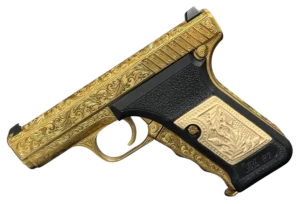
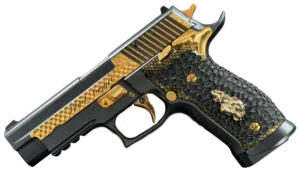
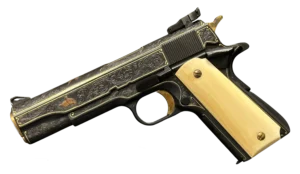
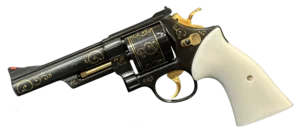
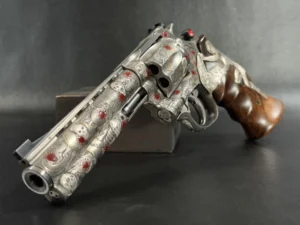
Custom and engraved firearms are another growing segment. Original factory-engraved Colts and Winchesters have always commanded premiums, but there’s increasing interest in documented work by recognized individual engravers. A piece with attribution to a specific, known craftsman adds an artistic dimension that resonates with collectors who appreciate firearms as both functional objects and works of art.
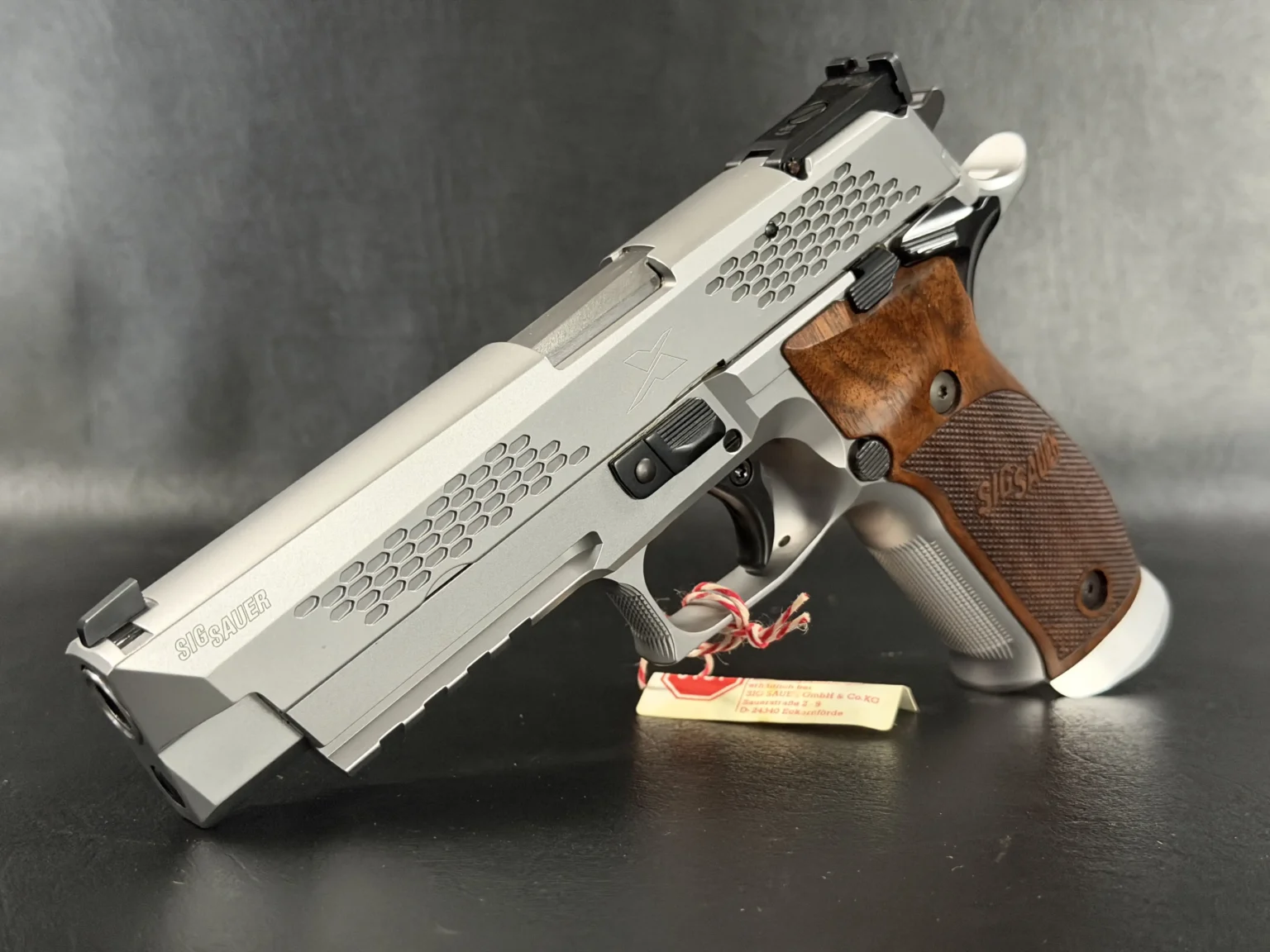
There’s also a quiet but notable trend toward collecting early 20th-century semi-automatic pistols. The Colt 1911 market has always been active, but in 2026, there’s renewed energy around original military-contract 1911s with documented service records. Beyond Colt, early Luger variations, Mauser C96 Broomhandles, and FN-produced Browning designs are attracting collectors who want something beyond the usual American-centric categories. The European side of the collecting world offers pieces with incredible craftsmanship and engineering that sometimes get overlooked.
Worth mentioning too: the growing digital infrastructure for collectors. Online databases for serial number research, digital archival services for provenance documentation, and even blockchain-based ownership verification platforms are gaining traction. Not everyone’s sold on the tech angle yet, and that’s fine. But collectors who use these tools to build more comprehensive records are well-positioned for the future market.
Is This Actually a Good Investment?
Let’s be honest about this, because it’s the question everyone asks but few answer straight. Can you make money collecting high-end firearms? Yes. Should that be your primary motivation? Probably not.
Over the long term, quality firearms in the categories we’ve discussed have generally appreciated in value, often outpacing inflation. Certain segments have done exceptionally well. Early Colt revolvers, for instance, have shown remarkable price growth over the past two decades. The same is true for high-condition pre-war Winchesters and documented military arms.
But this isn’t the stock market. Firearms collecting is an illiquid market with significant transaction costs. Auction houses typically charge buyers’ premiums of 15-20%, and sellers pay their own commission. Insurance, storage, and maintenance all cost money. And unlike stocks, you can’t sell a fraction of a gun if you need cash next Tuesday.
The collectors who do best financially are the ones who buy out of genuine passion and knowledge, then benefit from appreciation as a secondary outcome. They buy what they love, they buy smart, and they hold. Those who try to “flip” collectible firearms, like real estate, usually end up frustrated.
There’s also a preservation angle that matters. When you collect and properly maintain historic firearms, you’re preserving tangible pieces of history. That Winchester that came West in a covered wagon, that Colt that rode on a lawman’s hip, that M1 Garand that crossed Normandy Beach. These objects carry stories that would otherwise be lost. There’s real value in that, even if it doesn’t show up on a balance sheet.
The Mindset Shift That Ties It All Together
If I had to boil this whole transition down to one idea, it’s this: stop thinking like a consumer and start thinking like a curator.
A consumer asks, “Do I want this?” A curator asks, “Does this belong in my collection? Does it advance the narrative I’m building? Is the condition right? Is the provenance documented? Will this piece still matter in twenty years?”
That shift in questioning changes every decision you make. It makes you more patient, more disciplined, and ultimately more successful. You’ll pass on guns that the old you would have grabbed in a heartbeat. And you’ll pursue pieces with an intensity that surprises even you, because you recognize something special when you see it.
There’s a practical side to this mindset shift, too. Start documenting your collection like a professional from day one. Photograph every piece in detail, including close-ups of markings, serial numbers, and any unique features. Create a digital and physical catalog with acquisition dates, purchase prices, seller information, and provenance details. This isn’t busywork. It’s the backbone of a serious collection and it will serve you when it comes to insurance claims, estate planning, or eventual sales.
Speaking of estate planning, it’s never too early to think about what happens to your collection after you. A well-documented, thoughtfully curated collection can be a significant asset for your family or a meaningful donation to a museum. But an undocumented pile of guns, no matter how valuable, becomes a headache for heirs who may not know what they have. Talk to an estate attorney who understands firearms. Make your wishes clear.
The best collectors I’ve known all share a few traits. They’re endlessly curious. They’re humble enough to keep learning even after decades. They build relationships across the collecting community. And they genuinely love what they collect. Not as investments, not as status symbols, but as objects that connect them to history, craftsmanship, and the stories of the people who came before.
That’s the collection worth building. And if you’re reading this, you’re probably closer to starting than you think. Pick your niche, do your homework, find your people, and start curating. The transition from buyer to collector isn’t a single moment; it’s a process. But once you’re in it, you won’t want to go back.
Frequently Asked Questions
There’s no fixed entry point, but most collectors start making serious acquisitions in the $3,000 to $10,000 per-piece range. You can begin with fewer, carefully chosen pieces and grow from there as your knowledge and budget develop.
Buying on impulse before developing the expertise to evaluate what they’re looking at. A rushed $10,000 purchase on a misidentified or over-graded gun is a hole that’s tough to climb out of.
verifiable documentation like factory letters, military records, original receipts, or letters from recognized archive services like the Colt Archive. If a seller can only offer a verbal story with nothing to back it up, treat that provenance claim with serious skepticism.
Seek out appraisers certified by organizations like the American Society of Appraisers who specialize in firearms. Expect to pay anywhere from $50 to $150 per piece for a written appraisal, though complex or extremely valuable items may cost more.
A shooter is a functional gun that’s been used, worn, or perhaps refinished, so it holds mainly practical value. A collector-grade piece retains significant original finish, parts, and condition, making it desirable for its historical and aesthetic integrity rather than just its function.